

This is the full transcript for Episode #216 of the Wild Business Growth Podcast featuring Dr. Brian Sutterer – Sports Injury Soother, YouTube Fascinator. You can listen to the interview and learn more here. Please note: this transcript is not 100% accurate.
Dr. Brian Sutterer 0:00
Like just start like what do you need to do today? Not in five years, not in two years, not in six months. What can you do today? To get you where you need to be six months from now?
Max Branstetter 0:26
Yo, yo, yo, welcome back to the Wild Business Growth Podcast. This is your place to hear from a new entrepreneur every single Wednesday morning who’s turning Wild ideas into Wild growth. I’m your host, Max Branstetter, Founder and Podcast Producer at MaxPodcasting. And you can email me at to save time with your high-quality podcast. This is episode 216. Shout out Cleveland! And today’s guest is Dr. Brian Sutterer suitor, I said it right in the interview geez. Brian is a doctor specializing in PM&R which is physical medicine and rehabilitation, which I’ve been practicing that as well. And he is super focused and knowledgeable and exemplifies all this on his super popular super fascinating YouTube channel. A focus in sports injuries. I’m talking injuries that many of us have seen on some of our favorite athletes of all times favorite sports teams of all time. Brian reviews these injuries on his YouTube and actually does any crazy timely fashion, and helps to explain what the injury actually means what actually happened, what it means for the recovery of that athlete, and does it all in a way that is super easy to understand even if you’re not a doctor. A bit of a trigger warning: This episode, as you can imagine, does discuss some pretty pretty gruesome injuries. So if you’re somebody who gets a little queasy in the stomach when you hear about injuries or gross or disturbing stuff like this, this probably won’t be your favorite episode. No hard feelings. Go back to Episode 213 and listen to the Wedding Recap that one is much much more pleasant. much fewer injuries in that one. But if you are up to the challenge, there are some fascinating fascinating injuries and fascinating topics discussed in this one. Brian is an absolute wizard as I mentioned when it when it comes to bedside manner as well as knowledge about these injuries. And also words of advice for growing your YouTube or content channel out there. It is Brian Sutterer MD brought to you by MB me. Enjoy the shoooooooow!
Already, we are here with Brian Sutterer, Dr. Brian Sutterer Dr. B as my brother Andrew also goes by Dr. Andrew Branstetter, Dr. B, who has already hijacked this interview from you, Brian. Awesome doctor who has transitioned from resident to fellow to full time real doctor and has one of the most fascinating YouTube channels and followings and content you’ll ever come across. We’ll call you the sports injury wizard that rolls off the tongue.
Dr. Brian Sutterer 3:25
Love it. I always wanted to be a wizard. So
Max Branstetter 3:28
exactly, Harry, thank you so much how you doing today?
Dr. Brian Sutterer 3:32
I’m doing really well. Thanks for the invite. It’s always nice, you know, I get a lot of kind of podcasts requests from people wanting to know more than medical side of things like med students and learners and stuff. And so it’s neat to kind of chat with someone to take a little bit of a different approach to talk about, you know, how all this developed my background and kind of hopefully share some things with everybody listening here.
Max Branstetter 3:50
Exactly, well, I’ll just scrap the whole interview because I actually wanted to know the ins and outs of your residency and, and everything associated with now I’m just messing with you about it, we’re gonna get into some some of the medical stuff and then some of what you’ve built out with your fascinating YouTube channel, if everything in the ins and outs of sports injuries. You first thing I’m curious about is, you know, there’s been just a few sports injuries over the years in the history of sports. And it seems like every single sporting event has something that it’s just like, oh, or, you know, oh, wow, they dodged a bullet there. But when you think back to your childhood, what is that sports injury or that sports injury moment that really sparked your fascination in this space?
Dr. Brian Sutterer 4:36
You know, the first thing that came to mind, in terms of what’s just most memorable was Kevin Ware Louisville basketball player who had that, you know, terrible, something that I thankfully have never had to deal with on the sideline covering but that you know, open compound fracture of his tibia and that’s one thing I really remember. Well, and I think part of it was because that was at a time when You know, TV replays, TV camera quality was so much better than it was, you know, you go back now and you look at some of these old historical injuries and you know a lot of what I’m doing I’m trying to look at the the fine, you know, mechanisms detail and sometimes it’s tough when you’ve got like four ATP footage, and it seems like that kind of time when Kevin were injured his leg was like, right, as we were transitioning into, like, high def, and they didn’t quite know how to handle showing replays on TV. And so like everybody saw, like the bone coming through the skin, and it was definitely more than everybody needed to see. But that one definitely stood out. I think that was a time when a lot of people realize that maybe had it before like, wow, sports injuries can be really serious. You know, this isn’t just like ankle sprains and, you know, bumps and bruises like this is this can be really serious stuff. So I think that one’s stands out a lot. You know, looking back even further before I probably started watching sports that the Shaun Livingston one is always something that that was pretty memorable, just in terms of severity and importantly, how he turned his career around. Which you know, we might get into that some of that stuff later, but I don’t know if I’ve seen an example of an athlete turn their career around so well after having such a bad injury. So those are probably the two biggest ones that I think stood out, you know, when I was younger watching sports.
Max Branstetter 6:12
Yeah, those are both sounds weird to say it this way, but they’re both I guess kind of iconic in this space. Obviously. It’s it’s terrible that they happen but the the roads to recovery are always inspiring. And I think with any injuries like that, there’s just like that initial shock of like, kind of curiosity of what just happened and then you see it as you mentioned, like, unfortunately in High Definition at the time and it’s like oh my god that wait a second that that’s not supposed to happen? Yeah, I remember vividly I was a junior in in college at IU shout out you watching on the couch for that March Madness game with Kevin where it happened and I remember just like I think more than anything like that happened right by the U of L bench and the bench’s reaction to see what had happened was like, yeah, just just chilling. But yeah, so those are so those are some some legendary entries will obviously get more to that in a little bit throughout this interview, but overall in the medical space, when did you know that you would actually become a doctor one day?
Dr. Brian Sutterer 7:18
pretty late in my life, actually. So I like last Tuesday. Yeah, so like yesterday evening. So I you know, most people like yeah, when they’re little kids, they like play doctor. So when I was little I was the kid who was digging trash out of the trash can to like build, you know, tissue paper box guitars and like, go up with all these little quirky inventions. This is going to be a this is probably potentially going to date a lot of people listening. There was an old TV show on Nickelodeon called Figure It Out. I don’t know if anybody remembers watching figured out Yeah,
Max Branstetter 7:50
I love that. It was like, it was kind of like weird Jeopardy! for kids. But goofier kind of,
Dr. Brian Sutterer 7:57
yeah, and like you could win like a Nintendo 64. You know. So I, I always wanted to like invent some crazy contraption that I could go on that TV show. But I started college, I went to engineering school and I had zero intention of practicing medicine, it never even crossed my mind until kind of end of sophomore year in undergrad, I had done a couple of engineering internships and just didn’t really enjoy it. You know, it was a lot of sitting in a cubicle, typing up Word documents, making PowerPoint presentations, not too much personal interaction. And we had to take a science course as part of our mandatory curriculum for mechanical engineering. And so I took an anatomy and physiology course and just really enjoyed it, I kind of saw the human body as, like a biological machine, and doctors were the engineers who worked on and fix the human body, the way that you know, an engineer might work on or fix a car. And so I still really liked that kind of critical thinking approach of okay, look at something, how do we figure out what’s wrong? How do we analyze what’s wrong? How do we improve it and make it better, but instead, with medicine, you could apply that to a person who you could interact with, and you could communicate with and you could, you know, try to navigate all the little nuances of every individual person compared to just a static, you know, airplane engine. And so I kind of just started thinking, you know, Junior year then, okay, I’m gonna, I’m gonna do this, I initially thought I wanted to be an orthopedic surgeon. Eventually, when I got into medical school, realize that I hated being in the OR and just couldn’t handle kind of those busy hours. And so ended up kind of finding my pathway into non surgical sports medicine, and it’s been great. I still kind of consider myself an engineer who is a doctor rather than like a doctor who used to be an engineer. But I think a lot of the concepts apply and that was a lot of the inspiration for my YouTube as well was that just desire to want to create something and build something and design something?
Max Branstetter 9:45
I have never thought about it like that. There are a lot of parallels to engineering and being a doctor, especially if you’re in the space of fixing things in buildings, things. It’s just I guess it’s a different noun instead of instead of building Since people, people play something, yeah, yeah,
Dr. Brian Sutterer 10:03
I mean, especially the biomechanics ortho world, you’re looking at positions of limbs and joints and how they move and forces. And so there’s actually quite a few engineers who go on to be like orthopedic surgeons, especially just because of all that overlap.
Max Branstetter 10:16
So yeah, how far along in that I guess med school or before residency just like, Can you shed some light on like, the timeline of when you truly honed in on the non surgical sports medicine, please space, which was really well as off the tongue because I can’t even pronounce right.
Dr. Brian Sutterer 10:32
Yeah, well, physiatry is even harder. Right. So that’s what my primary
Max Branstetter 10:36
specialty medicine actually my middle name. Yeah. Thanks. Yeah.
Dr. Brian Sutterer 10:40
So medicine is it’s unlike a lot of fields like that, you know, you start off like super broad, right medical school, all I can name so many things in medical school that I learned that I’ve never once used in my actual career. But everybody starts off super broad, and then every step it just narrows further and further down. And you know, back in the old days, you just would be an apprentice that was kind of the model, you’d say, well, I want to do whatever that guy does. And so you would just follow him. And that was kind of your med school. Well, now we’ve got this big bureaucratic system that takes forever, but it was probably, you know, everybody does the same thing in medical school. And then once you sort of get to like third year of medical school out of four, you have to start deciding, okay, what you’re going to do for your residency and residency is, you know, general surgery, family medicine, pediatrics, obstetrics orthopedic surgery, there’s tons of different fields, psychiatry, do elective rotations, where you’ll spend a month with one specialty, and maybe another month with, say, sports medicine doctor just to see sort of what you enjoy. And then you apply for those specific residency specialties. And it’s actually really fun. There’s a big just computer algorithm that tells everybody where they’re going to go, you basically rank applicants rank, like one through whatever. And then programs rank applicants, one through whatever, and then it just gets fed into a computer algorithm. And then on Match Day, you literally open an envelope, and it tells you where you’re moving for the next like three to five years of your life, which is unbelievable levels of stress. But I kind of knew that the eventual goal was sports medicine, I really, you know, I played sports when I was little I love being around athletes and just the community of sports. And there’s a lot of different ways you can get to sports medicine, you can either be a surgeon or a non surgeon. So I knew you know, I wanted to go the non surgical route. But then within that you can do family medicine, neurology, internal medicine, pediatrics, and in my case, physical medicine and rehabilitation.
Max Branstetter 12:28
Oh, that’s okay. I so that’s PM&R I was wondering what
Dr. Brian Sutterer 12:32
the m&r em ansvar. Yeah, so a lot of people say p m n pm and like physical medicine and rehabilitation, or physiatry is like an I thought this
Max Branstetter 12:41
was like a Crosby, Stills and Nash. So we
Dr. Brian Sutterer 12:45
were kind of like, there’s kind of two parts to our specialty, like half of it is the rehab, where we take care of people with strokes and spinal cord injuries and brain injuries, concussions, and the other half is more the musculoskeletal kind of physical medicine side. And so that’s kind of the side that I lean to. And then, you know, you funnel yourself into that residency pathway. And then there’s fellowship opportunities. And then one of those fellowship pathways is sports medicine. So it’s like each stage, you just get further and further specialized. But so I knew sports medicine was the goal. From pretty early on, it was just a matter of how exactly I I wanted to navigate my way of getting there.
Max Branstetter 13:21
So let’s focus more and more on sports injuries. And this, again, fascinating I’m just going to burn the word fascinate to the ground but YouTube channel that you’ve put together. And for anybody, check out @BrianSuttererMD by the way, I’ve been pronouncing, I’ve been practicing how to pronounce your last love, I think probably somebody want to say Sutter, but it’s the suit. But yeah, so yes, well suited for it. But anyway, so awesome, awesome. YouTube channel dives into sports injuries that I think I’m blown away by how quickly like often within a day or two of a major sports injury happening, you’re able to put out just a super informative and helpful and also somehow calming video about what just transpired, and you’ve done some famous historic ones as well. But how did you decide that you’re going to kind of in addition to you know, what you do in your day to day go, you would go this personal brand route and actually start to break down sports injuries on your own YouTube,
Dr. Brian Sutterer 14:19
I started blogging in medical school. So at IU School of Medicine, they had this like Day in the Life blog where medical students could write about their rotations, you know, what they were experiencing, and it was it was kind of therapeutic to do because med school is really stressful and it was a nice way to sort of get some thoughts out of what you know we were going through and dealing with and then hopefully also help somebody else because I remembered when I was still an undergrad I would read these blogs and you know be fascinated by like, oh, what’s it like to you know, actually be at that stage and be a medical students and when I got there, I kind of wanted to do the same. So I blogged for, like the third fourth year of medical school I think Some of them are still out there. I think if you search like Brian Souter, like IU blog or something, there might be a few of them still out there, but it’s gonna be a new a new favorite. Yeah. All right. So when I was making the transition to residency, there was a former IU med school student who is now an ophthalmologist, who actually did her training at Mayo Clinic, which is where I ended up for residency and she had a YouTube channel where she blogged about life as a resident, you know, how to study for tests, what it was like to be an ophthalmology resident. And I was just fascinated, like getting that sort of unique perspective on the medical world. Because this was a time when, you know, you had like the Casey Neistat to the world that were vlogging on YouTube. But there really weren’t a lot of like medical people, sharing what it was like to go through medicine. And she was, I think, one of the first and one of the best ones to do it. And so then, when it kind of came my turn intern year, there was nobody that was doing that sort of thing for my rehab specialty. And so the first year of residency training in the first year, my youtube channel was totally different from now I basically made videos about what it’s like to be a resident, how to round in the ICU, like all those little things that I thought might just help other students. And it was fun to kind of learn about the like, how to film and how to improve your lighting and sound and that kind of creative wanting to build something aspect of things. And in the back of my mind was always how it would be fun to do a sports angle with it. Because right we all watch sports, we see people in sports center, try to talk about ligaments and muscles and strains and sprains and not really have any idea what they’re saying. And so I thought, boy, that’d be fun. Like, I love sports. I like these videos. I like teaching. That seems like there’s a little kind of niche here that I can fill. And maybe people are interested in learning about sports medicine. So I remember I get like year into my channel, I maybe had 500 subscribers and a basketball player Markelle Fultz, it was reported, he had been diagnosed with something called Thoracic Outlet Syndrome. And I thought, this is perfect. I remember coming home from work that day, like it didn’t have anything to do that evening. And like I had time, it had just been reported that I can easily show some anatomy pictures, I can describe the terms and make this quick little video. And it just it blew up, like 50,000 views in like the first day or something to the point where I actually took the video down, because I was afraid that like, I had said something wrong, and like some basketball agent was gonna like see the video, and then I was gonna get in trouble or something just because I never expected that it was going to blow up as much as it did. So then I like went to my residency directors and like, Hey, is it okay that I’m doing this, like, I didn’t really expect, you know, this was going to be that popular. And, you know, once I kind of checked all those boxes and made sure I was kind of handling some of the, you know, ethical considerations of talking about that stuff correctly. I just totally switched everything to that route. And people loved it, like people I think, had that sense of curiosity, like you described early on. And the more I did it, you know, nobody at the time was doing like fantasy sports medicine stuff yet. And so I was really kind of the only person I think, who was in that space. And people loved it. I love making the videos and 600 I think 650,000 subscribers later, and people still seem to enjoy it. So
Max Branstetter 18:11
yeah, and I actually wanted to talk about the following. And I’ve had counted each of those subscribers, so it’s, it’s legit, you got an awesome following. For that first video? Well, not that first video, but that first sports injury video, theMarkelle Fultz, you’re talking about? What is it that you think made that one pop so much compared to your other videos at the time?
Dr. Brian Sutterer 18:32
I think a couple of things that I’ve continued to take advantage of number one, just the interest that’s on the internet and a topic. So there’s a very clear, like 24 hour 48 hour window when something happens in the sports world that people are just on the internet searching whether it’s you know, last night, Steph Curry injuring his shoulder, or when that news about marquel Foltz drops people on their phone. What is it? And I think being able to take advantage of that influx of interest. People just happened to discover my video and liked it, I guess. I don’t know. I did so well. I think I think I’ve I’ve always felt like I tutored a lot when I was younger, like tutoring like high school and middle school math. And so I think I’ve always felt like I have an ability to kind of relate complex information in a kind of simpler way. And so I think people appreciated that I wasn’t like who they would imagine a doctor being you know, when you see like, oh, doctor talks about this, they probably picture some, like old white beard. Yeah,
Max Branstetter 19:33
I like that quick. Doctor voice. Yeah, I’ve kind of just coming from a doctor. That’s awesome.
Dr. Brian Sutterer 19:39
I think it may be surprised people a little bit like wait this guy. You know, I got a lot of comments like, oh, there’s no way this guy’s a doctor like he looks way too young. And so I think there were just enough little he’s just graduated preschool. Right? Yeah, it’s amazing who they’ll give medical degrees to now. I think people just weren’t intrigued by it. And like I said, nobody else is really doing it. So, you know, there was no other video to watch to learn about. You know what had happened to this NBA player.
Max Branstetter 20:03
So nowadays, if you look at any of your videos, you kind of have a consistent format you have like your friend, Senator, the host, or I guess front and a little bit to the right. And then you have some awesome visuals and you’re able to, you know, play the actual injury or have some images of the athlete. And then you break out what’s the tool that you often use that kind of shows like 3d renderings of the actual injury and bone structure and all that.
Dr. Brian Sutterer 20:25
Yeah, it’s it’s a web based 3d anatomy tool. It’s called BioDigital. It’s a website just by BioDigital.com. And they have been probably one of the most important parts of my success with my channel, because when I first started making these videos, there’s, which is a whole other topic like copyright things to consider on the internet, which now I feel like is out the window with everything that’s blown up with tick tock, but initially, I would be so paranoid about googling some anatomy, and then just putting it in my video. And so I would spend so much time trying to like edit, manipulate, sort of make these anatomy pictures my own, so that I personally felt comfortable with what I was using, because eventually I’m making money off of it. And when I started looking into these 3d anatomy tools, there’s a bunch of them out there, and a lot of them wouldn’t even let me pay to use their tool in my videos. My I’ll give you guys 1000s of dollars, if you just let me like, basically use this tool in my video like no, sorry, I won’t do it. Bio digital have been fantastic. And just said, you know, as long as you give us a shout out, put her name at the bottom. And so I can just pull up, you know, I’ve got all my favorites made, I can just pull it up and sort of record as I go and walk through the anatomy, which I think has been another thing people really like is they like that kind of dynamic ability to kind of 3d Move, move things around in space.
Max Branstetter 21:45
Yeah, it’s so cool. I mean, I had never heard of that tool before. And first time I saw it, I was like, Wow, this it just like, it’s so helps to literally visualize what you’re saying. Because I think I mean, you’re obviously incredible with your words and super knowledgeable with with the medical background and what’s actually happening. But then when you’re when you’re hearing that, and hearing you describe that, and then you’re actually able to look at like a 3d rendering, and actually, you know, quote, unquote, X ray inside, you know, someone’s knee, for example, and see these actual elements that I don’t even know how to pronounce. It’s super helpful and informative, and just fun to watch and learn about.
Dr. Brian Sutterer 22:21
Yeah, I think it still surprises me how basic things can be, and people are still interested. So obviously, the, you know, the true sort of complexity of Sports Medicine, compared to like, what I relay on my videos is, you know, there’s this big gap in the middle. But there’s times when I’ll say, you know, nobody, nobody cares about a kneecap, you know, but then when I pull up a picture of the kneecap, and I talk about what’s called the patella and you show the shape of it and how it sits in a groove. Like sometimes the most simple things, I think we assume that people aren’t interested in like those simple things. But in reality, I think, again, it comes back to that just innate sense of curiosity we have that I can talk about a tendon for 15 minutes, and people are still fascinated, because nobody’s ever, like seen the visual of that tendon and the context of the of the sports side. So it blows my mind, some of the videos that I think are going to be the simplest, most boring things will do the best, because people still resonate with that. more simplistic stuff.
Max Branstetter 23:20
You’re so tender, when you talk about the tendons that I think people just
Dr. Brian Sutterer 23:23
I have a different voice that I use tender tendon.
Max Branstetter 23:28
It’s very, very white. But this incredible YouTube channel, you’ve you’ve managed to grow as well, you know, who knows at the time, if you’re someone who’s listening to this, you know, year or two after this, you know, you might have Brian might have crossed, you know, a million subscribers by that point or several 100,000 subscribers, and just a little foreshadowing here telling the future time travel. But obviously, you’ve these videos have really, really caught on and you’ve really found something here we were putting out stuff that people are really interested in. And obviously, you know, you’ve been able to monetize it, you’ve been able to like, you know, greatly grow your personal brand out of this. On the growth front. You know, looking back, what are some of the key decisions that you made that you think have attributed to, you know, building this diehard loyal subscriber base?
Dr. Brian Sutterer 24:17
I think maintaining consistency has been the biggest thing that’s led to the growth of my channel. You know, when you look at especially in the space of YouTube channels, there’s a lot of tutorials out there people like telling you like the quote, unquote, right way to like, start a YouTube channel. And I think when you’re truly into it, you just kind of have to throw that out the window and go with whatever works best and brings you the most success. I mean, it’s very clear to me that timing is number one, the most important part of my videos because if if I wait two days to post a video about something that happened in an NFL game, like the interest is kind of gone, it’s died down. Nobody cares anymore, understanding that that was the strength of my channel. And then really like leaning into it. I mean, I’ve done so many things over the years to try and shave, like minutes out of my production process, I can get that video up as quickly as possible. I mean, like, different internet, like, connections with companies and the different software I’m using and different little quirks because for me every five minutes every 15 minutes makes a huge difference and can be 1000s of views at the end of the day. And so I think once I realized that, that was the strength, and then like, really, really, really leaning into that, to try and make it as quick as efficient as possible. I think that was when I really started to take off and kind of realize where the continued success was going to come from. And, you know, once from just a business, you know, success side of things, because I always, you know, I treat it like a business, I mean, I’m making income off of it. And so there’s, there’s that important side of it as well. Once I started working with some brand sponsors on videos, I think that was a big turning point as well. You know, I initially thought I don’t need anybody to help me with this, I’ll just kind of deal with it all on my own. But it was probably when I was around, like 100,000 or so subscribers that I reached out to and started working with a management company, who basically handles all of my brand deals and kind of knows what I do want to support what I don’t want to support. And from just a pure financial standpoint, that was probably the biggest turning point was when I partnered up with somebody who could help kind of guide me through the brand deals, to bring in some additional revenue on the channel as as we’ve gone through. So I feel like I’m in a great spot with her. And I don’t really know what’s next, like YouTube shorts, or something that I keep going back and forth on. But it’s kind of you know, if it’s not broke, don’t fix it. And so far things knock on wood seem people seem to like the style, you know, I’ve found that, the less, it’s just me on the screen, and the more it’s like the anatomy or the play of what’s happening, the better. You know, I adjusted my layout to where there’s even less of me on the screen. And there’s like more of the picture that people want to see. But trying to just make that process as slim and refined as possible. I mean, it takes me now 30-45 minutes from the time I turn my camera on to the time a video is up to get it out there and, and my goal is to like have it up, you know, obviously, if I’m out doing stuff, or I’m working whatever I can’t, but if I’m just at home, there’s nothing else going on. Thankfully, my wife has realized that that brings more success. And so she’s, she’s been great and flexible with it. But as soon as it’s like every little minute makes a difference, because all those views come right away. And then as soon as each hour ticks by that that interest starts to die down
Max Branstetter 27:32
45 minutes or less. That is incredible. What’s like, a secret sauce, I guess a little dose of secret sauce that you can share. Yeah, that makes you so efficient in those moments.
Dr. Brian Sutterer 27:44
Surprisingly, it’s not that complicated. So obviously, you know, the initial learning phase of when I first started making these, it probably took me seven, eight hours just because I didn’t, I didn’t really know all the ins and outs of how to use the editing software, you know, trying to tweak my sound. So now I have I have templates for basically everything. So I have all of my sound equalization and sound editing, it’s just a template that I can just slap onto my sound when I’m done. I’ve got I don’t know if you’ve seen the little like Elgato stream decks that have like buttons on them that you can use this like shortcut hotkeys for editing. So, you know, I, I have less movement in my hands I have to do and I’m going through and slicing up my video. But just having that consistent pattern, right, like I’ve done it enough times that I know, sort of the flow of how long each little segment takes. And you know, this is what I do for for a living, right. You know, this is like I’ve studied this stuff for years. And so taking everything that I’ve learned about ankle sprains and just distilling it to a simple three minutes is something I do in clinic all the time. It’s something I’m doing to athletes all the time, I can just talk like I’m talking to a patient and oftentimes don’t have to edit so much stuff out. The technical thing that I do that makes it so quick is I just I use like streaming software to basically put in overlays that record my screen and capture my screen. So in one portion of my screen I’ve got my anatomy software on my desktop and another portion I have the the injury clip. And then I’ve got my little streaming console set up to where I just record everything that’s coming through the stream feed and I can control my scenes to just hit a button and it shifts me over it pulls in the the anatomy clip and then I hit a button it shifts me back and I hit another and it pulls in a screen capture of the of the replay. So in my editing software, I’m not doing any of that I just get one long, big video file that all I have to do is slice and then upload but I didn’t do that at first when I first started Yeah, I would like I would like record just me in the camera and then I would have to go into my editing software and like shift everything around and like dragging the video file and like crop the video file and change the speed so that when I was slowing and speeding up like matched what was and so when I made that transition from doing that At using the streaming software and like doing it in real time, that cut my video time,
Max Branstetter 30:05
that’s a dream, I think for any content creator, you know that how long you know, it can take four or five, maybe more times than that to, like, have the actual recording time to, to get something out there. That’s just so like, soothing to hear of how efficient everything is. And it makes sense, you’re able to get them up so quick,
Dr. Brian Sutterer 30:23
I think you have to realize too, like I’m, I’m very aware of like, what I’m not on YouTube, right. So you’ll see all these other creators who spend an hour on like a 10 second segment of their video making some beautiful transition that like looks amazing. But like, that’s not, that’s not me, that’s not my channel. Nobody cares about that. And so for another YouTuber, another creator, like that might be the key between their videos not doing well, and doing great, because that’s what people are watching it for is that kind of cinematography. But So realizing also what your channel is not I think was just as important to me as realizing what it what it was and kind of where the strength was.
Max Branstetter 31:03
And you alluded to monetization monitor that ties ation, which some of us, you know, not making fun of myself can’t even pronounce, what’s a tip you have for any YouTube creator out there who’s looking to monetize their stuff,
Dr. Brian Sutterer 31:15
start your YouTube channel with zero intent of making money on it. I mean, I think certainly when I started mine, I thought, you know, maybe, maybe a few years from now, like I’m making some money on this, but there’s going to be big differences. But depending on you know, the the topic of your channel, in terms of how much revenue you’re making, I mean, the the reimbursement rates I get might be a quarter of what some other channels are getting, like view to view just based on what space they’re in. And it takes me it just takes time to get there. And so I think if you, if you’re starting a channel thinking and like have it as a moneymaker, I think you’re gonna get super frustrated, cuz it’s going to take months to get there, even when you do get there. I mean, if I think back to when I had 100,000 subscribers, which is, I mean, that’s a very successful channel, if you can build a YouTube channel with 100,000 subscribers, that’s, that’s fantastic. But I would not say that I was making like livable income for a family when I was at 100,000 subscribers. I mean, when you get to the point where you’re bringing in some brand deals, then I think that’s where you kind of get to that level where okay, this can be like a sustainable, this is the only thing that I do. But there’s not, you know, there’s little things you can do, like people will say, well make your video 10 minutes, so that you can put in like multiple mid rolls, or do some other little thing where you change the settings in your YouTube so that it puts more of this type of ad. To me, all that stuff means nothing compared to like actually what you’re doing in your video. And if you’re happy doing it. And so if you focus all your energy on how to maximize your profit, when you’re first starting off, I don’t think you’re ever gonna get there because you’re gonna get so discouraged when you only have 500 people watching your video and you’re making like 10 cents, obviously, then when you do you know, I don’t do any merchandise. And so I don’t have familiar with that I don’t really do channel memberships. Like, there’s a lot of other ways that people can generate income on YouTube. But once you kind of get to that level, I think there are other things like that. But at first, like forget about the money, like YouTube, to me is something that you should start doing as a hobby. And then if it turns into something that can be your your full income great, like lean into it.
Max Branstetter 33:23
lean into it, just like you might want to lean into the podcasting world. And I’m here to help. If that is the case, I’m always here to help. But I’m here to help, especially if that is the case. You can learn more directly into your email inbox by signing up for the Podcasting to the Max newsletter that is at MaxPodcasting.com/Newsletter That is your place for podcasting tips. As well as behind the scenes stories from the Wild Business Growth Podcast, brought to you by wha now let’s get to how in the world Brian is able to stomach all the videos in injuries that he works with. So let’s switch gears a little bit and get to you more on the personal side. So inspiration and creativity. You know, this is typically how you stay inspired how you stay creative kind of outside of work or outside of, you know, your awesome YouTube channel. But just based on watching and loving your videos, I’m really curious on a couple of different fronts here. One of them is just overall with these sports injuries, a lot of them like Kevin wear and Shaun Livingston that you alluded to, can be really, really gruesome. And what’s the term grisly are like there, there are a ton of people in the world that you know, can’t even stand the sight of them or can’t stomach it. How how do you get yourself or train yourself to be able to you know, not only stomach these videos, but actually, you know, look at them over and over, make videos off of them and educate people on
Dr. Brian Sutterer 34:59
all For one, it’s a lot easier to look at that stuff when you’ve done like, you know, first year gross anatomy and medical school where you’ve had to like dissect, you know, cadavers. And I think by the time most of us get out of medical school, we’ve almost been desensitized to a lot of that stuff. But the more you see it, I think that’s the biggest thing as you just sort of get desensitized to it. I think, in terms of, you know, a lot of people wonder, like, why do you, like, even want to show that, you know, like, what’s the thing sports, anybody who has their their child or signs up to do sports themselves, is taking on that understand there’s a risk that these bad things can happen. You can blow out your ACL, you know, you could suffer a concussion. And a lot of times when people get hurt, there’s just this kind of fear of the unknown. And so a lot of what I’m hoping to do with my videos in sort of that population is give people a little bit more understanding to have more, just comfort, if you know, that’s maybe not the best word when you’re injured, but just to not be as scared about like the unknown whenever you get injured. A lot of the younger kids especially like, I mean, they’re following pro sports, like they know, what’s happened with their favorite athletes. And there’s been a lot of times where I can, you know, a kid that tears their ACL and I’d say, Well, you know, like, do you like football? Yeah, you remember, you know, when so and so injured their knee and like, look how well they’re doing now, you know, there’s hope you can come back from this, you can. This isn’t like the end of of your athletic career. And so trying to take some of those terrible examples of really unfortunate things and put more of a positive spin on it so that people can learn and feel a little bit more comfortable about what happened to them. I mean, one of the one of my favorite sort of videos was when Alex Smith had his his leg surgery and almost died in the hospital. And like just being able to share with people just that inspiration from him about like liquid, you can overcome liquid you can get sometimes it takes those horrific examples to get some of those points across. Because if it’s just ankle sprains, bumps, bruises, everybody kind of you know, at whatever, like those are no big deal. But the bigger more horrific things, I think just resonate with people a little bit more. And so part of it is just there’s some things that still kind of make me feel a little bit like uneasy but for the most part, seeing the positive that you can get out of using that negative situation I think is what kind of inspires me to keep doing
Max Branstetter 37:19
it. I have to ask is what sort of area or ballpark still makes you a little bit uneasy?
Dr. Brian Sutterer 37:26
The Yeah, the some of the combat sports stuff always sort of makes me feel conflicted.
Max Branstetter 37:32
Do you mean like boxing in MMA UFC boxing,
Dr. Brian Sutterer 37:34
mixed martial arts? Yeah. Just recently there, there has been a big push where Dana White is starting the Slap Fighting League. And that’s kind of been one of the first times where I’ve like Washington, they’re like this, like, this is not okay, like, I don’t even feel like I can make a video about this, because it’s just so just feel so ridiculously risky. I still at times will, you know, when I cover? It’s hard, right? Because I’ll make a video about a concussion in the NFL. And it’s like, this is terrible. Like, we need better concussion management and then like boxing, they’re like basically trying to give each other concussions and right. Some of it you know, I think there’s there’s a right way and a wrong way to talk about some of that stuff. I’ll say some of the, you know, nicest athletes I’ve met have been like, mixed martial artists and like combat sport athletes. And when you realize that, there’s no I think one of the things that made me feel more comfortable with it is if you think about there’s no real pathway for like a college wrestler career in professional sports, college basketball, baseball, football, whatever they like, there’s good professional leagues, but if you’re like an elite college wrestler, like what are you going to do? You know, it’s one of the only pathways there is for them to continue to use their athletic abilities to provide for their family to provide for themselves. And so I still at times, like when I see some of the fights and I’m just like, man, like, stop the fight like this is too much. It makes me a little bit uncomfortable still. And certainly when we see things like the slap fighting, it’s like, what are we doing? Like, this is just this is ridiculous, but there’s really no like blood bones or anything like that, that will gross me out anymore. It’s more when we get into kind of like the head injury. Like do these guys really understand the risk of what they’re signing up for? to potentially happen down the road?
Max Branstetter 39:19
And the the other thing I was curious about was, I think the technical term is bedside manner. But when you when you watch your videos, you have a very calming soothing nature to you. And I think it’s incredible. Thank you. It’s impressive. Yeah, no problem. Thank you. It’s incredibly impressive just on its own and I think it’s, it’s something that so many doctors work on is, you know, delivering news, whether good or bad, as you know, being in that calming force. And I think it’s extra impressive when it’s when you’re talking about the type of you know, sometimes horrific injuries that you’re talking about, to be able to articulate it in a way that keeps you as a viewer interested in it. homed in really comforted by it. So what went into developing that, you know, bedside manner on your end,
Dr. Brian Sutterer 40:07
I appreciate the compliment. That’s one of the things I’ve I really tried to do the most on my channel is to kind of contain that, you know, keep that level of like professionalism and stuff. I think a lot of honestly goes background, like having been an engineer before a doctor, I never, you know, sometimes I’ll, I’ll get sort of frustrated with, you know, doctors are often kind of intimidating, like, it’s this sort of untouchable, you know, you go to your doctor, and you’re like, they’re kind of not really approachable. And I think a lot of that comes from, you know, talking about all anterior posterior medial lateral, like, blah, blah, blah. And while that sounds really nice, it makes us feel really smart. Like when we talk to other doctors, like, that’s not how people talk. That’s not what patients understand. And I think I realized early on that, number one, I don’t like, having to use all those technical terms, unless I’m like talking to another doctor. Like, I just want to talk to a person like I’m, like, their regular person, like I’m, yeah, I’m a doctor, but I’m not this like person that they can’t approach and, you know, thinks that I’m like, better than them. And so I’ve always tried to use number one, like very simple language, when I talk with patients, some doctors will come in and you know, oh, you’ve got a, you’ve got a radial tear of the posterior horn of your medial meniscus. And we’re going to do an arthroscopic surgery to try and do a meniscus repair. And, like, technically, yeah, that’s correct. But the patient’s like, what the hell like, What the heck are you talking about?
Max Branstetter 41:23
It really all rolls off the tongue. But if I
Dr. Brian Sutterer 41:25
come in, and I’m like, Alright, yeah, I’m like, so inside your knee, you have these two little ShockPad cushions made of cartilage. In this part of the little cushion, there’s a tear. Like, I think there’s a way that you can just communicate things that make people feel like you’re treating them more of an equal and, you know, not dumbing it down so much. They think you don’t know what you’re talking about, but trying to just like, talk to people like their regular person and not, you know, just like a number on their sheet that they like came in to see in clinic. So I think I tried to do that. I think too, you know, there’s a very easy thing to do on social media of just being very like inflammatory and, like, shock factor of like, oh, my gosh, like, look at the bone, you know, and people would probably click on that and probably like it, but that’s not like the professional way to talk about these serious things. And so I try to keep as just consistent of a neutral tone as I can, you know, I’ve talked about athletes who have died. I’ve talked about athletes who have had miraculous recoveries. And I tried to just kind of keep the same tone the whole way through to really make it about the learning and the teaching point, rather than making it about like, the shock factor or the you know, the just purely like the headline of the story, so to speak.
Max Branstetter 42:46
All right. Well, let’s wrap up with some rapid fire q&a. You ready for it?
Dr. Brian Sutterer 42:49
Ready? Hit me.
Max Branstetter 42:51
Alright, Hit Me Baby One More Time. Let’s get Wild! What is your absolute favorite video you’ve ever created
Dr. Brian Sutterer 42:58
a video where I talked about the most explosive jumpers in NBA history. Because I got to use a bunch of math and like engineering science to like actually calculate like, not just vertical height, but like how much energy they had to produce to reach that vertical height. Hardly anybody watched it. But it was used more like B roll of like the players and I use some more like math, but it was it was a fun, unique thing. And nobody watched it, but it was still really fun.
Max Branstetter 43:26
Well, thank you for including me in your list of most explosive NBA players. I was really honored. And yeah, that was the highest I’ve ever jumped. What is an injury? Maybe you’ve covered it in a video. Maybe you didn’t. To this day that you think is one of the most strange or bizarre sports injuries of all time. Oh, man.
Dr. Brian Sutterer 43:43
That’s a great question. I think just bizarre I think of like, the bad knee dislocations like Zach Miller, I think tight end for the bears comes to mind as being just a really? Yeah, we’ll go with that one.
Max Branstetter 43:55
Yeah, knees, knees are tricky. What is a weird talent you have for a party trick. something besides analyzing injuries, what’s something that you’re really good at, but really doesn’t really have an impact on your job? You’re just like, Hey, Brian is really good at that.
Dr. Brian Sutterer 44:09
I’m really good at whistling.
Max Branstetter 44:10
Oh, yeah. Can you give us an example? Like 2-second whistle?
Dr. Brian Sutterer 44:15
Oh, man, yeah. And put me on the spot. Really, it’s gonna mess up your microphone maybe it’s just because my wife can’t whistle. So I feel like I can whistle really well.
Max Branstetter 44:30
And then last one, you know, there’s that famous line which I always screw up, but I’ve experienced it myself. I’m a big IU basketball fan. You’re a big Kentucky basketball fan. But you grew up in Indiana. So How dare you but also, you know, they say 40 United States is just basketball, Indiana, you know, it’s everything or whatever the line is, you know, it’s huge in the state. What’s an example that you’ve seen of just why basketball matters so much more in the state of Indiana?
Dr. Brian Sutterer 44:52
I think because of the the small town, the kind of rural community feel to it, I think. I mean, I remember all those the The rural gyms the small kind of old school gym just packed with people on a Friday night and Saturday nights. I think it’s the community.
Max Branstetter 45:07
Yeah, absolutely spot I got chills just thinking about it. But Brian, thank you so much. Just absolutely love what you do love your videos and really appreciate you taking the time today really cool to hear the, you know the inside baseball or inside every sport you want. For behind the scenes of how you how you do what you do. So, thanks so much for coming on. And, you know, obviously people can subscribe to your YouTube and check out your channel. Check out your awesome videos. Is there anything else that you want to shout out or ways for people to connect with you?
Dr. Brian Sutterer 45:35
And you know, I try to keep it simple. I’m not on TikTok. I’m not on Instagram. I’m not on Snapchat.
Max Branstetter 45:41
Looking forward to seeing dances next to torn meniscus.
Dr. Brian Sutterer 45:44
Yeah, keep it simple. Reach out to me on YouTube, or Twitter, I try to you know, I try to respond to people as best I can. So if you’re especially like if you’re a med student learner, curious about something and kind of getting to be a sports doc or whatever, please feel free send me a message bug me until I’ve replied to you.
Max Branstetter 46:01
Perfect. And then last thing, final thoughts stage is yours. It could be a quote, another injury, whatever you want. Send us home here The stage is yours. I think
Dr. Brian Sutterer 46:08
the number one thing I’ll always tell people no matter if it’s med school, starting a business, when they ask what to do is to stop thinking so far down the road and just think about what you can do and need to do today to get things started. I had a mentor who when I didn’t get into med school the first time said what do you need to do today to eventually get into medical school? And the answer was I applied for grad school and so with starting a business starting a YouTube channel, like just start like what do you need to do today? Not in five years, not in two years? Not in six months? What can you do today? To get you where you need to be six months from now.
Max Branstetter 46:47
Perfect. Well, thank you today and as I always do with Kentucky Wildcat fans I won’t bring up Christian Watford’s game winning shot vs. #1 Kentucky I know it was gonna be that one. I won’t bring you on bring it up. And why would I bring that up? But now? Thanks so much, Brian. Really appreciate it.
Dr. Brian Sutterer 47:05
Yeah, you’re welcome. Thanks for having me on.
Max Branstetter 47:06
Go Hoosiers! And thank you so much, Brian for all your Doosiers and geez. Thanks so much Brian for coming on the podcast and all you do and all you educate and sharing all your time and tips and stories and got that fantastic bedside manner. And thank you Wild Listeners for tuning in to another episode. If you want to hear more Wild stories like this one, make sure to follow the Wild Business Growth Podcast on your favorite app and tell a friend about the podcast and then check out Brian’s videos with them. If you dare the guy the guy is just absolutely fantastic and fascinating in the video world. You can also find us on Goodpods where there are plenty of fantastic podcasts and really cool people in the podcast space. And for any help with podcast production, you can learn more at MaxPodcasting.com and sign up for the Podcasting to the Max newsletter. That’s at MaxPodcasting.com/Newsletter. Until next time, let your business Run Wild….Bring on the Bongos!
Related Posts
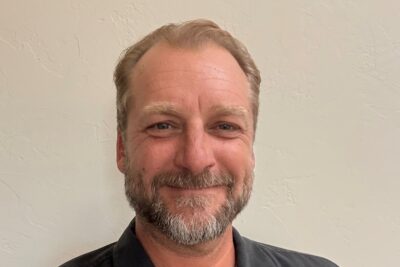
Rob Mattson – Wild Business Growth Podcast #360: Walking the Earth, Aircraft Carriers, 2ndLap Podcast

Kat Cole – Wild Business Growth Podcast #359: AG1 CEO, Cinnabon President, Hooters Girl

Jess Loseke – Wild Business Growth Podcast #358: Midwest Barrel Co., Used Bourbon Barrels & Wine Barrels
One comment
Comments are closed.
[…] Enjoy the shoooooow! Check out the show notes below for much more detail. You can also find the full transcript here. […]