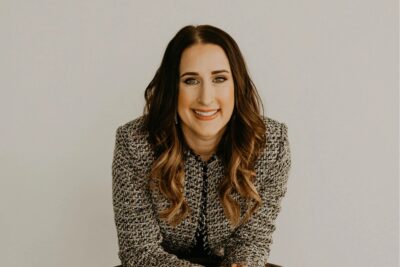
This is the full transcript for Episode #293 of the Wild Business Growth podcast featuring Bill Shufelt – Athletic Brewing, Non-Alcoholic Beer Guy. You can listen to the interview and learn more here. Please note: this transcript is not 100% accurate.
Bill Shufelt 0:00
I’m like can you just walk into the store behind me and like, kind of look over my shoulder and be like, did you say 50 calories?
Max Branstetter 0:21
Cheers! Welcome back to the Wild Business Growth podcast. This is your place to hear from a new entrepreneur every single Wednesday morning, who’s turning Wild ideas into Wild growth. I’m your host, Max Branstetter, Founder and Podcast Producer at MaxPodcasting. And you can email me at to save time with your high-quality podcast. This is Episode 293. And today’s guest is Bill Shufelt, Co-Founder and CEO of Athletic Brewing, the award-winning non-alcoholic craft brewery, which is now one of the biggest craft breweries in the United States craft brewery with the help of I could pronounce it correctly, one of the biggest craft breweries in the United States. In this episode we talk how exactly one goes into a historically alcoholic category with an awesome non alcoholic craft beer brand. What went into the branding the beer, finding investors and of course the flagship Run Wild IPA. It is Run Wild Bill. Enjoyyyyyyy the showwwwww! Aaaaaalrightyyyyyyy we’re here with Bill Shufelt, Co-Founder and CEO of Athletic Brewing, who if you haven’t heard of them yet, just go to your nearest bar because they probably have distribution there they’re blowing up their distributions increasing like crazy but just absolute game changer pioneer especially in the US in terms of non-alcoholic beer bill to honored to speak with you. And of course reminisce about the Connecticut days. How’re you doing today?
Bill Shufelt 2:01
Great. Thank you, the honor’s all mine. Excited to have some fun today. Thank you for having me.
Max Branstetter 2:05
Yeah, of course. And so we’re gonna get into all the stops and tastes and beer samples along your journey. But before that. What does the term StamVegas mean to you?
Bill Shufelt 2:20
I’m not sure. Definitely a reference. Yeah, it’s Stamford is about as busy as Connecticut gets in terms of like bars and nightlife. So I think people use it to refer to like the hotspot of Connecticut in general, like Connecticut is totally underrated. In terms of greenery, cuisine, access to beaches, like the whole coast of Connecticut is gorgeous. And no one ever talks about it. And then you don’t have to go more than like five miles inland. And you have like valleys and mountains and like everything, so but I’m kind of fine with now I’m talking about because there’s some nice space to move around.
Max Branstetter 2:54
Exactly. So. So we actually have that in common. So I know you spent some time well. So did you actually live in Stamford? Or did you just work there when you were at your previous life?
Bill Shufelt 3:03
I worked in Stamford, I’ve lived in towns kind of all around that area in my life. Yep.
Max Branstetter 3:08
Okay, cool. So my first job out of college, I worked initially working in Wilton, Connecticut, and then I lived for three and a half years at Stamford, and shoutout The Big D, my old roommate, Danny, who always he he would never say the term Stanford, he would just stay stay in Vegas. And we always thought like, he made it up. Nobody else said it. And then one day, walking down that Main Street there the main strip restaurants in Stamford, or StamVegas. There’s like a Verizon billboard. That said, StamVegas, and we’re like, Wait a second. So I’m not sure how widespread it is. But from your time working there, I know that was in your, the hedge fund part of your life, which is pretty much the same thing as non alcoholic beer. But can you give us kind of like, just a quick day in the life of that, like, was this the stereotypical like working crazy hours, like kind of just a lot of adrenaline, you know, tons of trades every day, like what was that like for you?
Bill Shufelt 4:06
I grew up in a town that was like, basically all finance people. And then I went to college with the eye of going into finance. And I went into finance. And I was just on that path A Day in the Life for me was wake up at 5:30am. If I was working out, I woke up at 430. I was at the desk, usually between six and 630. And you really had to be very ready to go to start trading on News at like 7am if not earlier, and then really today very rarely wound down before 6pm. And it was probably 1000 emails that you had to sift through a lot of market data sources. I had 12 monitors, made hundreds of trades a day I was in a room of the most intellectually challenging people I’ve ever met. So every word on your mouth did get dissected and challenged and I thought it was an incredible place to you know Like sharpen the sword and like build my toolkit for the rest of my career. And I’m really glad, proud, challenging that was, but it was grueling to is, like 10 to 12 hour workday plus three to four nights a week work dinners with colleagues, idea dinners, research analysts, conferences. It’s not like my life slowed down on the weekends in my 20s. either. It’s like you like hope to hit a week and like, recover from what life is like on the weekends in your 20s. And it was burning the candle weeks around years around for decade plus that for sure.
Max Branstetter 5:33
I know, you worked with Steve Cohen’s company, who has since they’ve known for a lot of things and like, so we’re not gonna dive all the way into that. But I’m just curious, was there any insight back then? Did anybody know that he was actually going to buy the Mets at some point? Or did that come out of nowhere?
Bill Shufelt 5:49
Oh, very clearly a huge sports fan. And he has a lot of interests. But at the end of the day, I learned a ton. And I’ve taken a lot onward from Steve, it was a very, like, merit based organization. If you showed up and did well, it was extremely fair to that. And like, there’s just no tolerance for like platitudes and fluff and non productive people. And I think that that’s a great takeaway from how he built this business, as well as the respect I have for him showing up every single day, every single day, he was in that seat learning and his game changed every single year. And like he’s very open to change his mind incredible risk manager. Consistency, something I learned from him because he is in that seat every single year, every single day, every single year plugged in paying attention on it. He knew as much about the stocks in anyone’s portfolio as they did. He’s not in the position he’s in by accident. And I definitely a demanding person. But at the end of the day, ultimately fair and I took a lot away from working with them. Well,
Max Branstetter 6:54
I know your brand has a lot of fun visual words and wild words tied to it. But I did not have the word platitudes on my bill shoe felt bingo card. So check, checking the other boxes right away. I’m
Bill Shufelt 7:08
a big fan of efficiencies for sure.
Max Branstetter 7:16
So let’s get to athletic and athletic brewing, however you want to say it super cool company that I sweat, you know, so we live in Hoboken. And there’s multiple bars here that I think might have multiple of your offerings there. Maybe on draft, can as well, I’m not sure the split. But super cool. Super cool. Obviously doing well, from a distribution standpoint, we’ll talk investing as well. But I want to go back to the early days of that. So at some point, you went from hedge fund to I need beer that has none to very little alcohol in it. Like what even opened your eyes to like, there’s kind of a market opportunity here for non alcoholic beer.
Bill Shufelt 7:57
It was very personal. So I was living that life. I described it as burning the candle on both ends. And it was very intense. And then as I was turning 30, I was about to get married, I was taking my career very seriously, I was taking my personal relationships, my health very seriously. And I was kind of evaluating, like, you know, the big round numbers and age and big life events, like getting married are like good times to evaluate what’s going on in your life. And I was thinking about what’s important to me, it’s Family, Career performance, my health, my workouts, my sleep, my diet, relationships with friends. And like, I looked at all these things, and it had been building but as like alcohol is a problem in all these key areas in my life. And it’s not like I had that, like a single painful event that really like came to a head or anything. It’s it’s just that like, it was a ceiling on basically every important part of my life as much as I love socializing and everything. And I thought that if you stopped drinking socializing goes away. Also, it was like a big conflict there. So I stopped drinking for a month, I was actually training for my first ultra marathon at the time. So it’s like a very easy time to be making this as this change. And I felt amazing. I was performing great at work as getting the best sleep I’ve ever gotten in my life. And like this intellectual curiosity turned back on that I think had been just shut off for 14 years. And it was like this virtuous cycle. And so I decided I wasn’t going to drink anymore. But I was still going to all these work events, all these social things, weddings, bachelor parties, barbecues, sporting events, whatever. And I realized I still loved being in all those places. And I didn’t care at all about alcohol. And I was like, Wow, I’m actually having more fun enjoying my friends conversation, everything more and I wake up the next day at 7am feeling amazing on weekends. And all of a sudden my weekends were like two to four hours longer because I was feeling great every morning. And so it was an easy decision for me not to look back but the best biggest pain point there was, there were literally no options like moderation was near impossible 10 years ago, and maybe by construct in the industries. So like I had never intended to be an intrapreneur, if you asked me even two years into business planning, I would have told you there’s a 10% chance I ever leave Point72. It’s a great firm. That’s where everyone wants to be in finance, I thought I’d be the next 20 years and retire. But all of a sudden, the chance to have this big impact came to light for me. So I saw the impact on myself, I saw the total lack of options. And I was in this job that was like, very selfish in a way I was gonna provide really well for my family, but I was never gonna have a positive impact on anyone else. And all of a sudden, I saw this chance that I could positively impact 10s of millions of lives, like help people get access to moderate options have the option to drink or not drink. Now, there’s 15 million documented alcoholics in the country, probably 30 million alcoholics total, people just didn’t have options to moderate. But also, if you have moderate options, all these non drinkers, which is basically 50% of the population can come and socialize without, like, any judgments or anything like that, or historically, this had been so stigmatized to make that choice. And all of a sudden, the impact of the idea just like snowballed on me. And like this fire got LED that I didn’t sleep for, like two nights in a row. And it was really my wife that helped me like see this in the idea. Together, we talked about what a three year budget looks like. And I was out the door on my job. Two days later, it was like January 2 2017.
Max Branstetter 11:39
Oh, my God, I think that’s something that’s so common as an entrepreneur than not being able to sleep, maybe, you know, throughout like a whole week or half a week, like, like you mentioned, and I feel like it’s either when there’s something you’re super excited about, or there’s something you’re super worried about, and sometimes both, but in this case, like clearly, there’s like, like, your body’s kind of telling you or your brains telling you signals that like Hey, I you know, I should start spending some time like getting serious about this. So I have chills hearing about that. That’s awesome. Also, that. That should be your new slogan, the little nugget how you said, you could add two more hours to your weekend. That’s an incredible product benefit. Because I never thought about that. Like
Bill Shufelt 12:19
I I went to all of a sudden I was waking up and working out and I was like back at the house before like, everyone’s weekend was even getting going. And it was this like amazing hack. And some of my favorite hours of the day, all of a sudden, between like, six and 9am on Saturday and Sunday. And those typically were not great hours historically. The best. Yeah, go just going back to like When did I know it was a great idea also, so like, a couple months into working on it full time, the fire was burning, so strong that like I love sports, absolutely love it. And like NFL playoffs, college football, like it doesn’t get better than that in sports to me. And all of a sudden, I was like, sneaking away from NFL playoff games and going to work on like an Excel model for athletic brewing, or like reading about beer that I was reading and like, the passion was just totally taking over. And that’s something I always whenever I talk to someone who’s like thinking about founding a company are making a big switch. I’m like, can you imagine being able to turn this off? We’re getting sick of this idea because like the fire has to burn so bright because the road is so tough.
Max Branstetter 13:29
Can you imagine missing NFL RedZone? That’s the real test right there. So okay, so you decided that, like, clearly you had this passion for this space? There’s an awesome white space opportunity there. But I mean, you you’ve been working in a in a hedge fund for many years before that, like how did you start to educate yourself on actually making beer that’s well, just making beer in general, but also making beer that’s non alcoholic and tastes good? Well, I
Bill Shufelt 13:57
think so both of those things you just said were kinda like first principles, things to me. Everyone in the beer world had glanced over both the market size and the way to make non alcoholic beer because it’s always been that way. You know, it wasn’t a new market, it was just the only market in the grocery store that hadn’t changed in 25 years, where like, if you went into Whole Foods in 2015, it was a like, it still is an amazing store. But the every category is totally different than what it was 30 years ago, non alcoholic beer was like the exact same shelf as I had been for decades. And like the category had been a rounding error to zero. It was assumed that like point 1% of the population was interested in that product. And I looked at that and I was like, I’m a very average just want to be slightly healthier, modern adult busy plan to be a parent want to be a little healthier. This fits my life. And I was like, I bet this makes sense to like 100 million people. And it’s just like, it’s a product and it’s a quality problem. So I like took it back to first principles on the size of the market. And I was like, the size of this market is totally wrong. And I think I’m literally like the only person in the country that thinks non alcoholic beer is gonna be like 50% of beer in the future. So that being said, everyone in the industry I talked to was like, honestly, save your money, like non alcoholic beer is never going anywhere, no one asked for it, no one’s talking about it, it’s not going to be a thing. So that was a big first principles moment, as I knew, I was like, very differentiated with a strong opinion on the size of the market. Also, taking out the assumption of like how non alcoholic beers made was a huge one. And when I met our co founder, John, that was kind of one of the things I talked about first, it’s like we have a enormous scientific innovation challenge ahead of us, but like this tough work will be very worth it. And we did work in an empty warehouse together on Gatorade jugs for like nine months to reinvent the way non alcoholic beer is made. And then we scaled that up. But there is so much non alcoholic beer that is like, the exact same things that used to be but like just talked about in an exciting way these days. Like we had to totally reinvent the quality and reinvent the marketing to like, really get people excited about
Max Branstetter 16:12
it. How do you do that? How do you like reinventing? Marketing or even bigger than that a category is like one of the hairiest meatballs I’ve ever heard, like, how do you do that?
Bill Shufelt 16:25
It totally depends how you go about it. Like, there’s like focus groups where it’s like, Okay, I think these people may want this and I’ve asked 100 people, and the average of those thoughts gets me to this place. My approach was, I was like, I am the perfect customer for this. And this is like, what my gut instinct is telling me and just like, very natural, authentic parts of my life spilled out into the whole brand. It’s like I love the outdoors. I love premium ingredients and food. I love great tasting beer. I want the brand to be charitable from day one of B Corp beat those 100% stock ownership and just everything about the brand. I wanted it to be a brand that as people, like even three to five years into their athletic journey, we’re finding out totally new things about the brand that they love, even like peeling back the onion more and more every year. So. But yeah, I think being authentic is very important. There’s so many brands, there’s over 100 now called craft beer brands these days, a lot of them have almost word for word, cut and pasted athletics website, which is like, I’m like that that’s my life like that you’re cutting and pasting. And it’s like that is our team’s heart and soul. They are being like, Hey, this is us. I’m like, This is us. But like every brand decision has been super easy because it’s so authentic. And like we tell the same stories inside our walls is outside the walls, or whatever trying to guess where our customers because we talk to them directly.
Max Branstetter 17:56
That has a ring to it. Authentic, athletic, say that 12 times fast.
Bill Shufelt 18:02
I love it. Very cool.
Max Branstetter 18:04
So you mentioned before that, like everybody was telling you at the start, like, save your money like this is not going to work like who would drink non alcoholic beer? Like what was the thing that changed within the company or results whatever that like you started to see investors and distributors be like, we want this we want this like selling like hotcakes.
Bill Shufelt 18:28
The road was like surprisingly way longer than it probably even appears. And it still is like every sales call we do is not a slam dunk for sure. I won’t say like which date or which retail or anything but like just two months ago, a retailer was like outright laughing in my face about like the future no alcoholic beer. Like okay, like, sure, as like, but you should probably still put it on your shelf in case you’re wrong. From that first day, like, surprisingly, there were a number of people that got it very quickly, I would put at the top of that list was Whole Foods. I went into a local Whole Foods store where one of our investors were like, go look for this person at the store. They’re really nice and but credit to that local for Georgia, snow local Whole Foods and Brooklyn. She tried it. She was like, This is amazing. I bet the Whole Foods customer would love it. I’m gonna make you an appointment at regional in New Jersey next week. And I brought in brown bottles that we had filled in John’s garage had no branding on them. And Justin and Chris the two guys tasted it. And they’re like, Okay, I see like a little bit of the branding concepts. And they’re like, our customers are gonna love this. This is like a real IPA without the alcohol. It’s like, you can’t tell doesn’t have the alcohol. And then I like shared the Nutritionals Oh, it’s got like a 25% of the calories of an alcoholic IPA. Whole Foods like a big company like that bought it right away and gave us distribution. So there were some of those, but those were very far and few between, there was a lot of rejection, it was a lot of nose. It was a lot of days of sales calls where I didn’t land a single thing or as like doing tactics where I’d, you know, I’d find someone in the parking lot. And I’d be like, you know, I’m having a really tough day of selling. I’ve got 20 nose, could you help me get one? Yes. And I’m like, you just walk into the store behind me. And like, kind of look over my shoulder and be like, did you say 50 calories or like, but like, some of these interactions were like, so memorable. Because I’d like end the day with like a whim, I did 75 sampling events that first year, a lot of that was like standing at the booth talking to no one or getting made fun of. But I think that in person, I really learned a lot about what people thought about existing non alcoholic beer helped me tell that story to connect with them in a very short space of time, just with like, 1000s of iterations on it. And like really knowing the brand from like, as close to the street level as I could. And we really haven’t lost sight of that athletic. Like, we don’t really outsource anything as a company. And like, we make sure we’re in the market talking to our customers sampling all the time. And I think this year, we’ve given out over a million cans already at events and stuff. So Well,
Max Branstetter 21:21
thank you for for all you do. And for I think, no matter like whether people tried your beer or not like you have millions and millions of fans out there, just from the fact that like you are like giving out free beer, for anybody that are big fans of that, but no, it’s it’s it’s so true about like the sampling events and festivals and things like that of just like how much you learn from you know, being on the ground and just talking to people. And clearly like from from day one or day negative 500 Like you are the brain the brand flows through like you know, the life you’re living in the in the situation, the scenario that you were in. So it all comes through. Super true. I want to hit on one of your beers because it holds a special place in my heart. So run wild, your flagship IPA, it just so happens that it’s kind of the catchphrase that we use at the end of every one of these podcast episodes is let your business run wild. And so I’ve always liked that term run wild and you don’t see it too many places. And I think even before I knew what athletic brewing was, I saw it on the menu somewhere and was like, Oh my God, there’s a Run Wild IPA. And so like that’s what like actually an obviously I’m in a very, you know, specific such scenario for this to like, apply me like that. But that’s actually how I found out about you guys first, it wasn’t even the fact that you were non alcoholic or anything like that. So that’s just pretty cool. But for that one specifically like it maybe it flows through the to your other beers as well like what goes into like the name in the packaging, and kind of like crafting a story with each beer that you end up selling to customers or giving away for free.
Bill Shufelt 23:00
I can’t even tell you how much time went into our company name. And the first few beers actually run wild was like a very easy one. Like that one just landed. That was a great backup. Backup name for the whole company. Oh, wow. I’m surprised the company’s not named honestly. But I’m coming up with the name athletic brewing. It was probably a full two year process. I had a few placeholder names, but really written maybe 50 names by our legal team for trademark approval. And thank goodness none of them were available. Yeah, it’s so hard with 10,000 breweries, 10,000 wineries, and a number of spirits companies, brew pubs, whatever. And all of them releasing so many products like to get a combination of words that hasn’t been used by any of them yet is very difficult. And I was very surprised that athletic either initially loved athletic but dismissed it immediately because I thought no way it was available on a trademark basis. But naming and trademark is super important and not to be taken lightly. For sure. Right?
Max Branstetter 24:04
Yeah, exactly. And on that, like I know, that’s your flagship one. It’s one of your most beloved brews. But once you give us your what’s the term head brewer, master brewer and co founder. Yeah,
Bill Shufelt 24:19
John’s our co-founder and he’s now COO. Yep. Awesome.
Max Branstetter 24:24
But so so do you have just internally like a standard of like, it needs to taste this good before we release it to the public? Oh,
Bill Shufelt 24:31
absolutely. We have very well defined specifications for our beers. You know, ecommerce pilot beers, like we obviously want them to be high quality like first time releases. We want to make sure it hits what we’re targeting the team likes them. We have big sensory panels operate on both coasts, and we send beer back and forth. But for beer like Run Wild, our flagships every batch is tested 55 times before it goes out the door to estimate a very specific set of criteria and specifications otherwise it goes down the drain. And we’re very shameless about putting beer down the drain and only want our best quality beer to go out the door.
Max Branstetter 25:09
Not not that many people can say goes down the drain and like literally mean it, but it applies.
Bill Shufelt 25:15
It’s much better if you catch it before it gets into cans. Once it’s in the candidates, it is a total pain to get out of the cans. Yeah.
Max Branstetter 25:23
Oh, my god. And you’ve hinted that investors and I would guess that part of like the growth and distribution and marketing and all of that, like a lot of that you can well, not a lot of that. But some of that at least the marketing budget side, you can credit to the amazing investors you have, you’ve done so many different rounds of that, like, what advice do you have for anybody that’s maybe trying to launch a product or trying to like disrupt a category when it comes to like, pitching and actually securing investment rounds?
Bill Shufelt 25:51
They environments tough these days, for sure. You know, there’s been definitely a boom bust in the fundraising world. I think some of the things that are really important to get right are like agreeing on like, what are the goals here, like so many people focus on, like, just getting money in the door. And I totally realized there are critical moments where sometimes people just need to take any check to keep the lights on. But it’s usually not that case. If things don’t feel right, just hold out a bit longer. For the right person, talk to a bunch of people like aligning on goals, like what is the goal of both parties? Because if you take it, like there’s a lot of times where I talk to founders, I’m like, What’s your goal, they say, I want to change the world and do this forever and build this category and be the leader. I’m like, you took investment from someone who has a five year time horizon, and they really want to be out in three, like, how are you going to solve for that. And of course, you can take more and more investment and they basically try it out. But um, it’s really important to get those things right, because who’s in your boardroom definitely is an enormous deal. You know, investors you’re very often with for five to 10 years, and it’s really important to get that right. And I feel really fortunate that we had 70, angel investors that athletic and we probably have upwards of 130 now, but I have a personal relationship with all those there isn’t a single one, I would kick off the cap table if I have the chance to they’ve been amazingly respectful patient, helpful, like so I over communicate with them, I said to our very regular investor updates, but I think that’s important because like, I don’t want to say like, oh, venture capital is the right path or family offices are the right path, or angels are the right path. Because it is different for every business. Like if you’re building a FinTech AI company, like it probably is right to get a VC who can help you hyperscale and absolutely nail that if that’s your goal. But if you’re trying to build a beverage business for 25 years, like not getting into VC too early is probably the right move. Also,
Max Branstetter 27:53
speaking of growth, and investment, pretty hot off the press at the time of this recording. Congrats. I know you guys just bought former Ballast Point, brewing production facility. And you can tell I don’t know the lingo. And in California, and you’re kind of expanding your foothold from the east coast and the west coast. From a production standpoint, can you just hit on real quick, like, what your expansion strategy is from a production standpoint,
Bill Shufelt 28:21
in many ways, even though we have like very specific quality production, and it’s like a very high touch manufacturing specification. It is really just like good old investment and like great jobs, great people making our own products. And like I think that’s a skill set that has been somewhat lost in our modern economy. Like, in the last 25 years, things have been like the goal has been to be as lean as you can outsource as much as you can get everything as cheap as you can. We’ve kind of made the conscious decision to turn that on its head and say, We want to really train high quality teammates, they’re gonna be with us forever. And make excellent top notch products in our own buildings and make that work. It’s not a decision for everyone, for sure, like the amount of headcount management resources that go into managing manufacturing is very high, as well as everything else. This will be our fourth burn, that we’re it’s a great production facility with a lot of history. And we want to honor that tradition and all the work that’s gone into it before. Yeah, we have another brewery right across the street that served us really well. We love doing business in Southern California and San Diego and the Connecticut business environment is awesome to and totally underrated. The State of Connecticut has been very supportive and business friendly since day one. And so yeah, we’ve built no two breweries in Connecticut and we’ve bought one in San Diego quadrupled the size of it. We’ve just bought a second one in San Diego across the street.
Max Branstetter 29:50
Well, congrats on that and with all this all the success story. I’m just curious, like if you had to track it back to like, one thing or like one approach that has driven the success of athletic brewing? How would you summarize that?
Bill Shufelt 30:06
I was actually talking to this unrelated just with our co founder, John last night, who’s just an amazing friend. And me and him have both grown so much with the business and enjoyed working together. Like, we’re so complimentary. We were just remarking on, like, what did we do to deserve all these amazing people walking in our door, like, and you could talk about anyone in our company and like, walk around anywhere in our buildings, and like, that person is so talented, and such a genuinely good person. We often do remark on that that is like, like we’ve always So from day one, like way before day one homebrewing around Gatorade jugs, we talked very serious about like, what do we want the culture of athletics to be doing? What our goals? What do we want working here to be like? What’s our impact we want to have, and that handbook that it was like a 30 page handbook that I made in 2017. With John has almost not changed at all in the last seven years. Obviously, there’s like ticky, tacky HR things that evolve. But like, I still walk through that with every teammate who starts at athletic grown, and like, we emphasize how important culture is like what we’re doing. We have a very thorough interview process and like, we work really hard to get the people right. And then also, like, make it not a job, like we’re very clear about, like the why of everything we do. And it’s not just like, we need this report. It’s like, can you help me on this report for this meeting, I’m trying to tell this story to this key account for something. And like really trying to like let people know what part they play in the overall success of a company. And everyone in our company is a shareholder, really trying to foster that. I felt like I’m very often like the frontman of the company. And like, I had the original idea. And, of course, at the end of the day, like a lot of me and John’s personality comes out in the brand for natural reasons, because we’re like, we love what we do, and we’ve metal and everything, but like, we just have such an amazing team behind us that is doing all this. And so
Max Branstetter 32:08
What’s also amazing is how much of a gem Bill is on video as well. And you can actually see the video interview for this interview as well as other Wild Business Growth podcast videos on YouTube. Just go to YouTube @MaxBranstetter. That’s ma x b r a n s t e t t e r, no idea why I spelled that out. My name is way too long. And make sure to hit subscribe while you’re there to catch each video episode ofthe Wild Business Growth podcast. That’s Wild. That’s YouTube @MaxBranstetter. Now, let’s continue to amaze or be amazed or both. Well, speaking of amazing, let’s wrap up with the most amazing question now. I’m terribly corny. But I do want to wrap up with some Rapid-Fire Q&A. You ready for it?
Bill Shufelt 33:00
Awesome. Yeah.
Max Branstetter 33:01
All right. Let’s get Wild. Let’s run wild actually. Cheers. So back to StamVegas. Sorry, I can’t resist. What was your favorite bar or restaurant in the Stamford area?
Bill Shufelt 33:14
Bobby Valentine’s is a classic. But yeah, Bobby’s calling me pizza. Yeah,
Max Branstetter 33:20
it’s so good. We had that recently. And we were in the Port Chester one, actually. And I had stingers for the first time in forever. And oh my god, I forgot how hot those are.
Bill Shufelt 33:30
Yeah, I lived in California for two and a half years and came back into the Colony. I was like, this is hotter than I remember.
Max Branstetter 33:36
Maybe it did. The stingers have aged over time. Maybe that’s what it is.
Bill Shufelt 33:40
There’s a run wild Ken on the wall and they’re now signed by JJ Watt. Oh, awesome. Yeah, JJ Watt was like a very early athletic investor who just like totally got what we’re doing. He was in town probably six months ago, and we had pizza colony.
Max Branstetter 33:55
That’s perfect. What a three way collab there. That’s incredible. I know that you lived in Vermont actually went to college in Vermont. My wife Dana, her. Her family’s, You know, her grandparents used to live in Vermont for a long time. And so we used to make great trips up there. She’s got tons of memories up there. I’m a huge, you know, traditional alcoholic beer fan as well. I know you’re gonna jump off now. No, but I know Vermont is incredible state for craft beer before you started athletic. Did you have a favorite beer from Vermont?
Bill Shufelt 34:25
For sure. I was in college and in the early 2000s. And it was kind of a hotbed for the developing regional craft beer scene. Magic Hat was still private at that time, as was long trail. And I’d say those two are probably like right up there. Dogfish even though it’s from Delaware, like kind of has half dogfish’s heart in Maine was like very present available in Vermont. So dogfish was always one of my favorites. I’d say Long Trail was probably and then otter Creek was a half mile down the street right in downtown Middleburg inside a number of friends who had worked there over the years, and so we’d always have like a nice keg of Otter Creek con during the week. And then that would flip to like, whatever the absolute cheapest beer in the store is on character, the weekends.
Max Branstetter 35:13
Okay, well, this one will be much easier for you, I’m sure. What’s your personal favorite athletic beer,
Bill Shufelt 35:19
run wild. But I am like a monthly subscriber. And in my monthly box is to run wild one free with one athletic light. But like, I will admit, the amount of athletic light I’m drinking is like really climbing up the ranks. It’s just like a 25 Calorie Crusher. And there’s like such a great place for good like beer also,
Max Branstetter 35:44
is such good. Variety is awesome. And then last one you’ve already mentioned, they’re really cool brand colab. I know you’ve done some really cool ones. What would be your dream colab in the future that you haven’t done yet? And why is it a game between the athletics and the brewers? So you can say athletic brews?
Bill Shufelt 36:05
That’s funny. There’s so many different audiences. And we get some like amazing ideas. I don’t know, I don’t want to give any of our competitors ideas either. So it’s a tough question to answer. We do like three or four collaborations a year, but I feel like I’ve got like 20 good ideas in the hopper. So for example, without naming who they were, I worked out with two other founders this morning, I think incredibly, highly of. And we came up with a amazing three grand collaboration idea that involves like a fun, kind of geographic element to so something like that is probably coming in the very near term. But like the nice thing is so going back to like real dollar manufacturing, which is a very rare thing. And both non alcoholic beer and food. Like most people can’t just like spin up a product. But we have everything from three 700 200 300 barrel brew houses and can make we have all sorts of flexibility. And very often we have like five iterations of different test beers going on and those pilot brew houses and so we’re gonna make a lot of fun stuff and spin it up on our website really quickly and so opens a lot of doors.
Max Branstetter 37:13
It does opens a lot of doors opens a lot of mouths. Bill, thank you so much. This has just been incredible. I mean, it’s what you do, and John and team with the brand have done with the brand. It’s like I can’t talk it’s just incredible. And I think it’s clearly such an energizing company and space to be in overall I mean I’ve always thought the brewery space is fun in itself and then you add in like hey, there’s a whole other white space opportunity here and it’s got to be that much more energizing clearly what’s to the point you couldn’t sleep for a couple days. So thank you so much for coming on. I know people can learn more in get your beers at AthleticBrewing.com Is there anything else you want to shout out like if they want to connect with you online or just anything else more about the company to connect with?
Bill Shufelt 37:58
Yeah, I’m easy to find ,Athletic is easy to find online, and the our store finder if you’re looking for local beers on our website, you can sort by like other store restaurant super easy to
Max Branstetter 38:08
perfect and it might even be a restaurant that has a JJ Watt signed athletic beer in it. And then last thing, final thoughts. It could just be kind of a quote, words to live by, motto, You could literally just say the word Run Wild if you want. Whatever you want. Send us home here.
Bill Shufelt 38:23
I’m a huge believer of consistency these days like so much in this world that’s like instantaneous results and expectations. Like I’m a huge believer in just like 65 miles an hour every day.
Max Branstetter 38:38
Bill, I give you a 65/65. Aced it. And thank you so much, Bill, for coming on the show sharing your amazing Athletic Brewing story. And thank you, Wild Listeners, for tuning into another episode. If you want to hear more Wild stories like this one or Run Wild stories like this one, make sure to follow the Wild Business Growth podcast on your favorite podcast app. And subscribe to the podcast on YouTube. YouTube is @MaxBranstetter. You can also find us on Goodpods, where there are good podcasts and podcasts recommendations. And for any help with podcast production, you can learn more at MaxPodcasting.com and sign up for the Podcasting to the Max newsletter. That is where podcasting meets entrepreneurship and awful puns. So, you’re just shaking your head already. And you can sign up at MaxPodcasting.com/Newsletter. Until next time, let your business Run Wild IPA…Bring on the Bongos!!
Related Posts
Rob Mattson – Wild Business Growth Podcast #360: Walking the Earth, Aircraft Carriers, 2ndLap Podcast
Kat Cole – Wild Business Growth Podcast #359: AG1 CEO, Cinnabon President, Hooters Girl