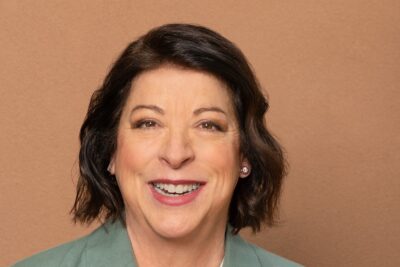
This is the full transcript for Episode #227 of the Wild Business Growth Podcast featuring Tiffany Krumins – Ava the Elephant and ‘Opu Probiotics. You can listen to the interview and learn more here. Please note: this transcript is not 100% accurate.
Tiffany Krumins 0:00
I just try to stay grateful for all of it that I’m still here to to live this wonderful adventure.
Max Branstetter 0:19
Hey ya, welcome back to the Wild Business Growth Podcast. This is your place to hear from a new entrepreneur every single Wednesday morning who’s turning Wild ideas into Wild growth. I’m your host, Max Branstetter, Founder and Podcast Producer at MaxPodcasting. And you can email me at to save time with your high-quality podcast. This is episode 227. I don’t know why I pronounced that so slowly. And today’s guest is Tiffany Krumins. Tiffany is one of the most inspiring people you will ever hear from and I don’t want to give away too much, but she has been called by the Huffington Post as a modern-day Mary Poppins. She is the Founder of Ava the Elephant as well as ‘Opu Probiotics, and conquered a ton in her personal life. And she was on the first ever episode of Shark Tank episode number one, the pilot. In this episode, we talked all those things, how they happen how Tiffany continues to be so strong and her mission and everything she does. And something she could do with her toes because why not? It is the Kruminsator Tiffany. Enjooooooy the shoooooow!
Aaaaaaalrightyyyy we are here with Tiffany Krumins, a serial entrepreneur, inventor, very very special place in the first ever episode of Shark Tank, we might talk about that a little bit. But to start off, shoutout to our mutual friend Kevin Lane from Create A Castle and now he has been on Shark Tank as as we were chatting about he has been so over the top generous and kind and just referring. Amazing, you know, Shark Tank alums and entrepreneurs my way you know for this podcast. So you’re of course one of them. That’s that’s how we connected so many different stories can come out of it. But I think you have an extra fascinating story because you were literally on the first episode ever, and I think technically got the first deal ever. So I mean, these sharks like were, they’re well known business people, but they weren’t. You know, like sharks, like, you know, bold underline italicize sharks that they are now like mega celebrities. What so what did you know about these specific sharks before you started filming?
Tiffany Krumins 2:50
I only knew what they gave me on a piece of paper. So they basically handed me five sheets of paper and said, these are the investors you’re going in to meet with. And so I had 30 minutes to read over their sheets, I had no idea who any of the five were. They were all moguls in their own industry. Like Barbara, who was my was my investor. She was big in real estate. You know, everyone knew her in that industry. But I didn’t know who any of the five were. And so I just kind of went in blindly and handed them my homemade clay prototypes.
Max Branstetter 3:21
The best kind of prototypes, the show in entrepreneurship, of course, change plenty since since that initial show, but you know, besides these sharks becoming larger than life sharks over time, how has Shark Tank changed overall, you think, since that filming,
Tiffany Krumins 3:37
oh, it’s changed a lot. The due diligence process alone is completely different. So when I was on the pilot episode, Barbara had not ever invested, I don’t believe in a single product. So she was all real estate. So she and I were kind of learning the industry together and figuring it out as we went. And that was one of her only investments, you know, that first season because if they filmed the pilot, then there was a big gap between the pilot and actually filming the season once it got picked up. So it was just she I may her and then maybe two other people, I don’t even think she had two other people, maybe one. So I got all of this attention from her all of this one on one mentoring, all of these things that people now do not necessarily get. Whereas now she has, you know, hundreds of companies she’s invested in and she still does entrepreneur events and does, you know, a lot more interaction with them than I think most sharks do. But it’s just a lot different. She doesn’t have that ability to connect in that way with everyone and nor should she really I think she probably learned some lessons along the way that she was an investor not a friend, you know, and so she has to step back and be more like a typical investor is whereas I had a little bit different relationship with her.
Max Branstetter 4:49
Yeah, that’s such a benefit of being early on as your real innovator in the getting invested in by shark space, you know, but I’ve always wondered that over time with with the sharks like how in the world? You know, as the show keeps going on, like, one? How do they have the money to keep investing in so many different products, but to like, you know, they can’t like clone themselves and have multiple more and more time that can they can actually meet me in a few years, you can clone yourself, who knows? But like, you can’t just give out your time like that, you know, it’s like a thing that dwindles over time. So it’s awesome that you got in early. Exactly. If you were going to go on now, like, if you’re going to do that first episode over again, is there anything you would have done different?
Tiffany Krumins 5:30
No, not with my first product. I was as honest as I could be on that first episode. And like I said, I went in with clay prototypes for god’s sake. So it was like, as raw and real as it could be like, This is my idea. This is how early on this idea is. Now if I go on now, with my newest product, if I were to go on again, then obviously I would do things a lot differently. I would know my numbers and that kind of stuff. But I didn’t have anything on that first episode to share. So it was all I have is my experience and, and the industry or in my experience with working with individuals with special needs and children. I didn’t have any business knowledge. As a matter of fact, I kind of went in, I was a little bit naive about you in starting a business. I think when she invested, it was kind of like, oh, wow, we went home and it was like, Okay, now I have a business, I have to actually do all of this behind the scenes stuff of launching a company. And that was quite brutal for me as a creative person.
Max Branstetter 6:24
So let’s get to business. I totally thought of that on my own you in to me off at all on that. But a couple of awesome businesses that and I know you’ve you know, you do more than even this. So if we want to expand this for four hours, we’d have to but Ava the Elephant is your beautiful and super cute and super helpful invention that appeared on that Shark Tank episode. So let’s start with our friend Ava. So you hinted at it a little bit, but where did the start of this idea that would eventually become the beloved, you know, Clay prototype? What did Ava come from in the first place?
Tiffany Krumins 7:03
So it came from me working with a little boy named Gibby, who I’m actually still very close to he’s he’s now a teen taller than I am. But I was working with him as his caregiver, and he had a difficult time taking medication. I loved him dearly. He was my baby before I had children. I have four kids now I didn’t have any at the time. And I watched him struggle with medication. I mean, just simple things like Tylenol, we would have to restrain him because he had this fear of a medicine surrender a dropper. And so one night I went home and I just had kind of this lightbulb moment of why are we using the syringe that you so scared of? Why can I hide it? Why can’t I make it more, you know, attractive to children. And so I made this little elephant out of fabric and sponges and the insides of a recordable greeting card and put a little voice on it. And it worked the next day a ticket to work, and I used it on him and it worked like a charm. I mean, it was like something clicked in his little brain and he just took his medication. And so I also at that moment did not think anything about a business or an invention. It was more of just helping him. And then after we used it for a month, it started to really drive home with me that look there’s a lot of kids that struggle with medication, not just children with special needs. And so my friend actually sent me a Craigslist ad of all things I always joke that you don’t always get murdered on Craigslist ads. That’s what got me to submit for shark tank before it was Shark Tank.
Max Branstetter 8:28
Wait, wait, wait. So Shark Tank started on Craigslist essentially?
Tiffany Krumins 8:32
Did you know is on everything, every newspaper whatever the casting for it because it was brand new and social media was cut. I want to say it was the MySpace years I don’t I don’t remember when Facebook came out. But it was slow or small at that time. And so yeah, she saw an ad it said Do you have the next million dollar idea she knew about Gibby. She knew about Ava which wasn’t named at the time, but she knew about this idea I had and sent it to me and I submitted and sent in a video which was I think a VHS tape or a little tape or whatever. I sent a DVD or something over to them and I heard back within the week.
Max Branstetter 9:08
That’s like the old school auditioning for Survivor, same approach. How did you think on the name Ava? Oh, god,
Tiffany Krumins 9:17
that’s a really funny story. So it was Emmy the elephant originally or cut I can’t even remember now. I think it was Ellie, the elephant actually.
Max Branstetter 9:25
And we have lots of Emmys in our life. My wife Dana’s cousin, bestie, and Maid of Honor’s name is me. So that would, that’d be our vote if you ever bring it to life again.
Tiffany Krumins 9:36
It was Ellie, the elephant. And what happened was I went to the pilot episode of Shark Tank. I’m sitting there with about 40 attorneys around the table because again, it was much different than they’re just getting the show off the ground. So they’re like cobbling everything together as the as we go. And so every entrepreneur that comes in, they’re checking their stuff, right then all of them are searching trademarks to see what I can use because I don’t even know have a name for this product. They said no to me. They said no to Ellie. They said no to all these things. And when we landed on Ava, because I wanted something short and sweet, it was short and three letters and it wasn’t taken. You know, without with elephants. I was like, okay with elephant and ended up becoming that, but it wasn’t that on the episode I had already pitched I can’t remember how the order of it, but I had already pitched basically, le so you’ll see that at the bottom of my, I think they okayed le but then l le ended up not being available after something like that. So yeah, it wasn’t any kind of heartfelt backstory or anything. It was just a trademarking thing.
Max Branstetter 10:33
I think that’s important, important lesson for anything is that it’s got to make sense from a legal standpoint, in order to actually do it. But it’s funny, it’s, it’s quite the image of you and 40 lawyers trying to go through baby elephant names.
Tiffany Krumins 10:47
Yeah, not even thinking about the name of the product, you know, which is all I do now is branding stuff, or, you know, I’m so into that part of it. But yeah, at the time, it was like, I don’t know, I don’t know what the name is gonna be or what the legal side was. So,
Max Branstetter 10:59
you know, joke that that part wasn’t heartfelt. But you know, when you look at the story, overall, it’s a very heartfelt and strong mission behind it. And something that so many people can relate to, how did you get yourself to, you know, really just like, be you be yourself and, you know, effectively tell that story when your debut pitching to the sharks.
Tiffany Krumins 11:21
That was where I was happy business is not my thing. It’s still not even this many years later. I don’t like the business side of things. I don’t mean all of the business side, but the bookkeeping and the numbers and the things that I have always struggled with my entire life. So for me, it was the heart of the business, which was Gibby, which was the children I was making this for, I would get little reminders. You know, as I started to build my business, I actually was diagnosed with cancer shortly after my pitch. So I went home, I started building my business, I was kind of in the depths of figuring it all out, like how to register this as it FDA device, and like all of these things that I didn’t see coming. And I was diagnosed with cancer with a baby at home, because I had my first baby shortly after, it was those messages from people who had my product because it started shipping prior to, you know, Shark Tank airing. And mom saying, you know, my child had a liver transplant, she won’t take her, you know, 42 medications a day, unless it she has this elephant and knowing I was making a difference is what has always really kept me in the game. And it’s the same way. Now it’s the same way with my current brands. For me, that’s what really feeds my soul and keeps me up is not so much the money side, or the fame of Shark Tank or any of that, but more of like the private messages of, you know, the impact that I’ve had.
Max Branstetter 12:37
That’s so nice. I mean, I can only imagine like how much it means to you to hear, you know, read real feedback from customers and stories like that. And it puts it in a totally different it’s like a totally different planet. When Yeah, exactly. When you when you realize how much this is impacting people’s lives versus just like, you know, trying to come up with a product to sell more gadgets. Yeah, exactly. Shout out Inspector Gadget, but you worked out a licensing deal initially for for Eva, if you’re a flash forward, what kind of like the lifespan of Ava, what were some of the biggest moments that worked well.
Tiffany Krumins 13:18
So what happened was, I launched the product, I ran the company, the day to day of the company, and Barbara was investor for seven years. So we stayed a single SKU product in the in the business for seven years, which is a miracle and itself. And you have to know really about this industry to know how difficult that is. But we got to a point where I was just exhausted because you have a single SKU product, meaning you don’t have a lot of space on the shelf at stores, you don’t have a huge margin, it was only a nine to $12 product at its highest price. And I knew I wanted to be creative again. And I knew I wanted to work with children or adults with disabilities again. And so I had the opportunity to license the product. And so I licensed it about seven years. And that’s when Barbara stopped investing because, you know, we license the product and so she got money, I got money. And then about four years after that, which was just a few years ago, I we sold the entire product. So we sold the patent we sold, you know the trademark everything that the company was acquired. And so those were kind of the big moments of, you know, victory on a from a financial standpoint. But like I said, the the bigger moments for me were things like when i The company was acquired a few years ago, one of my standing points was I want to have more inclusive packaging. So I had met with someone on their team at this new company. And she talked about, you know, what if you have someone with with Down syndrome on the new package, and I was like, Oh my gosh, that would be a dream come true. For me. That’s where it all started for me. And so we made that happen and things like that. That was my real payday. You know, seeing him on that package. Now, today is the real exciting part to me, because it’s including people that I love so dearly, you know.
Max Branstetter 14:58
Yeah. So that’s all Some, what would you say was the most challenging part of the, the overall journey with with Ava.
Tiffany Krumins 15:07
Um, for me, it was not knowing the industry enough when I first went in, and it’s not really an industry, you can know, with a college degree, I mean, it’s product development and distribution is its own beast, and it changes for every single product. So it’s different for Cut and Sew products. So if you have apparel, it’s a whole different margin and Monster, if you have plastics products, like I had, you know, where I was creating something for a baby, it’s all different. So it’s changing for every single product you see on the shelf, it’s a whole different journey and challenge. And so I just had to learn as I went. So all of it was very difficult. You know, from day one, up into seven years, when I license, it was all very, very challenging, because it was new challenges every day, if I was shipping it in from overseas, you know, I had challenges with that, or I thank God, I never had any legal challenges. We never harmed anyone we never had any time
Max Branstetter 15:57
because because you pick the name that was legal safe. That’s why.
Tiffany Krumins 16:02
But the product itself, you know, even as a medicine dispenser, I always had nightmares about like, you know, what if you know, mom gives too much medicine or, you know, something, so I didn’t have that challenge, thank god. But yeah, I mean, it was it was all challenging. And it’s one reason why I looked at the new new company of launch, the way that I did is my thoughts with Ava was okay, I learned so much from this product, the margins on this product, the way that this product was sold the niche market that it was a part of. And now I know that I will never go down that road again, as a single SKU product, I would have to have a whole different company set up to do this again. And that’s what led me to my new brand.
Max Branstetter 16:38
You could not have teed that off better. It’s like exactly, and this has happened with multiple guys, multiple Shark Tank alums. It’s like I literally am at the point in my notes where I’m ready to get to the next part. And it’s like the perfect segue into it. So I don’t I don’t know how you have like X ray vision to see my notepads. Anyway, let’s get to ‘Opu. So ‘Opu Probiotics, your latest business super cool. Our friend, our friend, Kevin from Create A Castle described it at first as adult Pixy Stix, which I don’t know if legally, legally, you’re going that route, but it does help to visualize it. Yeah. But at the time of this recording, you have multiple SKUs. You got mint, you got mocha, obviously, you know, there’s an emphasis on health and gut health. And there’s a lot of benefits to it. But for for someone like me who I’ve heard the term probiotic, but I still don’t know quite exactly what it does. What for starters, like what is a probiotic? Yeah, that’s
Tiffany Krumins 17:37
a great question. I think so many people are confused by probiotics, especially men. And I hate to
Max Branstetter 17:42
Yeah, no, no, I’m an example of this.
Tiffany Krumins 17:46
No, but I’ll go to events. And I’ll be standing out at events giving out samples, and I’ll have men literally stop it Oh, no. And they’ll put their hand out kind of like block into the sample. And they’ll say, I’m watching football later, I don’t want to be in the bathroom all day. And they think something about and I’ve heard that countless times from only men. And I think it’s because because they think it’s a laxative or stool softener or something that is not. So probiotics are good bacteria. So basically, your gut has good and bad bacteria at all times, going down through your intestines, and you need more good than bad. And when people are susceptible to stomach viruses and the flu and all sorts of things, it’s because they may have more bad bacteria in their gut. And as things go down through. Again, they’re more susceptible to those things, maybe it’s diarrhea, or if you don’t have enough good bacteria, you can also have constipation, we’re going to talk about a lot of uncomfortable things. So these are good bacteria, you’re basically introducing to your gut so that they can multiply and make it a healthier place. So your gut is now full of great bacteria. And then you have a small amount of bad bacteria that might be introduced. The perfect example is when you go to Mexico or you go to somewhere and you end up picking up these things that you pick up. If you are taking a probiotic, you may not get so many of those things. Because your your gut is healthy. The same with food poisoning. The one great example for me and I always share this as our I’ve shared it lately, my family and I just went to Disney during Christmas. So in cold and flu season, we were there were a family of six for kids, three of the four are very young, and none of us got sick, and we’re on a daily probiotic and I contribute that to the product because we’re not on other vitamins. We’re just on a daily probiotic. So that’s what a probiotic is is basically goes in and makes your gut healthy. A prebiotic which we also have in our blend is food for the probiotics. So those little bugs that you’re putting in the healthy bacteria that you’re putting in, the prebiotic is essentially feeding them.
Max Branstetter 19:41
So Will Will it make me use the bathroom? Not just
Tiffany Krumins 19:45
it will make you regular? The one thing that will happen is it’s good to go but every three days ya know and everyone needs that if people think it’s normal to go to the restroom every three or four days. It’s not it’s not healthy, it’s not normal. So it will make you regular Whereas in you will go once a day and you’ll go, Wow, no, I should be doing that. Yeah, that’s a great, but it will not be like an urgent thing. Right,
Max Branstetter 20:07
right. Who can’t get behind that? I appreciate the background on all of it. And yeah, there’s, there’s lots of benefits to it. And I think that, like, I’m definitely, you know, in addition to your brand, like, I’ve been hearing the term probiotics, like more and more in recent years, like, I think it’s something more and more people are converting their attention to on your front, how did you start to want to maybe start a business one day in this probiotic space.
Tiffany Krumins 20:35
What I really love about this company is that it came to me the exact same way that Ava did through real life experiences. So
Max Branstetter 20:41
through an elephant, I’m just gonna, yeah.
Tiffany Krumins 20:45
So I didn’t set out to start another business I, Ava was acquired, I had some breathing room. And I looked back at my journey, and I had, so when I had cancer, I had a radiation that was so strong that I had to ingest it. So it was a little pill that I’d go in and open this vial that looked like something off of a sci fi film, it literally had the radiation stamp on it. And so I’d open this giant metal vial in a room by myself with gloves on. And I would pull this pill out, and they would tell me not to touch this pill, but I was supposed to eat it. Okay, so that’s how strong it was. And once I ingested it, I would have to go be isolated for seven days at a time. So whenever I had this radiation treatment, I would have to be isolated from anything living, including my dog, you know, plants, obviously, but any animal people, whatever I had to be away from. And so because it was riding off of me, and it would also come out in the toilet and whatnot. So as you can imagine that wreaked havoc on my digestion. So I started looking whenever I had these treatments, I started looking at how do I improve my digestion? How do I help my stomach, you know, my, at the time, I didn’t even know it was intestines, but you know, my digestion, basically. And so I started taking different probiotics, I didn’t really see a difference in a lot of them. And then I found one specific strain that had a really great effect on me, it helped me it was called bacillus subtilis. And I just am the kind of learner that learns by doing like I did with Ava. And so I became fascinated with this one brand that is now my competitor, oddly, and loved the effect that it had on me and how great it made me feel and all the things it did. And I started learning more about bacillus subtilis. And why it was better than the others. I kept taking this competitor. Now competitors brand for probably two years, I took it. And it wasn’t until I sold Ava that I thought I really hate the way I have to take this person’s product, it was a powder. It was a chalky powder that I had to pour into milk every morning and then I’d like stir it up and then chug the milk and half of it was in the bottom of the cup. And it wasn’t dissolvable. It just went into the whatever liquid it was, and you had to try to drink it all. Knowing what I knew about product development from Ava, I decided to set out and see if I could find a factory to work on a different delivery method. And so I found a factory in my own home state of Georgia and sat down with them and said what are my options? You know, and we basically started this development almost three years ago now. And then last year we launched oppo, so oppo has meant a mocha flavors right now, but we’re gonna have a whole slew of flavors in the future.
Max Branstetter 23:14
And a whole slew of SKUs. You mentioned that yeah, learn to have more than one SKU?
Tiffany Krumins 23:20
Well, the main thing that we do differently to with oppo is we’re direct to consumer. So we make our products here in Georgia, we make our packaging here in Georgia. So these are two things I could not do with Ava I tried for many years to make Ava in the United States and I wasn’t able to at a price that would work. And so we’re shipping this product right to my facility here in Georgia, like a truckload away. And then we’re shipping a direct to consumer. So I’m not in any retailers yet, with Ava, it was like retail or retail or retailer and all the nightmares that came with it. Right now I’m taking it slowly. And I’m staying direct to consumer and it’s been a dream, I get to see every single thing from the backend of my Shopify store. I know exactly what’s going on with my brand and control every aspect of it. So it’s, it’s like the opposite of my first company. Basically, it’s been wonderful.
Max Branstetter 24:06
You could even say it’s the ‘Opu-site. The point of this whole interview was for that. What does the name ‘Opu mean by the way?
Tiffany Krumins 24:17
So ‘Opu means stomach and Hawaiian actually tummy or stomach. And it doesn’t have a direct I don’t think it’s directly linked to intestines. But I was looking for all of these names for months we went through I mean, probably 100 names and the fact that it was three letters and it had such a ring to it. I loved it that it was three again, like Ava, but the fact that it has meaning in that in the Hawaiian language was really cool. But yeah, it means stomach or tummy and that cool. And what I really loved about is, you know, Squatty Potty from Shark Tank.
Max Branstetter 24:45
Yeah, of course.
Tiffany Krumins 24:46
Squatty Potty does all these funny commercials and whatnot. When we really establish our brand we’re more and more established and trusted because we have to do that as a consumable. You can’t go out with these hard jokes at first they’re gonna take it seriously. Yeah. I want to play more off of that name. We want to do more silly, you know, social media videos. I’m like,
Max Branstetter 25:07
the second, like the suffix of it. Yeah, perfect. All right, so you mentioned that, oh, poo. And now I can’t think of it anyway. Thanks, ‘Opu. And over the elephant is almost like opposite or opposite businesses. And there’s so much different about it, whether you look at retailers or licensing and that Shopify, like that has to be so amazing to have all that data at your fingertips. What would you say is changed between these businesses in terms of how you as you know, an entrepreneur and leader operate like in the day to day,
Tiffany Krumins 25:42
while everything, you know, being in a different climate, with having Shopify and all that at my fingertips, that’s changed. You know, when I started Ava, we had a website developer that I couldn’t ever reach, and then you know, we’d have repairs, or we’d have, they come and film follow ups with me and our website with crash, and it was just a nightmare. So in that 10 to 12 year span, I mean, everything has changed here. Now I have, like you said, everything right at my fingertips, I can run my entire company from my house, we obviously have a facility that we that we ship product from but the majority of it I do from home, and it’s just, I looked at everything when I started this company from a business standpoint now because it was like, okay, the margins are fantastic, I can do this, I can discount with Ava, I couldn’t do any of that, you know, if it was a 999 product at CVS, and we offered a coupon, it was like, Ooh, there goes another 75 cents of our, you know, very small profit. If I made $2 on each one, I was lucky. And so that does not allow a business owner to do any of the things they need to do the marketing, most importantly, that they need to do. And so this one, I was able to see from kind of an eagle’s eye view or whatever they call it from the start of okay, wow, I’m going to have the margins, I’m going to be direct to consumer, I’m going to make everything here in Georgia. So you know, I’m not going to have issues with it getting caught up at the port, or timelines or any of that it’s all right here. So it’s been a much easier journey, that’s for sure. But I mean, still challenging because you’re running the day to day of your business, but not like Ava.
Max Branstetter 27:15
So let’s switch gears a little bit, let’s get to segment on inspiration, creativity. I mean, typically, it’s about, you know, what you do outside of work and creative hobbies and how you come up with ideas, things like that, but slightly different tone for this one, you mentioned that you’re a cancer survivor. And you know, it actually overlaps a bit with your latest business, obviously, in terms of you know, your experience with cancer and treatment and in everything in which I still can’t believe that. You know, when you think about entrepreneurs that are like having kids at the same time, like that’s already like a new business and a new kid is like enough on your plate. And then for you, it’s like you throw this cancer experience on top of everything. It’s like, it’s a meet just amazing what you’ve been able to do. So first of all, if you don’t mind what what type of cancer was it?
Tiffany Krumins 28:01
It was papillary carcinoma. So it was in my thyroid, but then it had spread to my neck and that n lymph nodes on the side of my neck. So
Max Branstetter 28:11
got it. Okay. And how long after that Shark Tank recording? did you first hear the news that you had this?
Tiffany Krumins 28:20
That was the craziest part as I filmed my show in maybe December, January. I heard just a few months later, like I said, in the thick of building my business, so it was kind of like we were filing the company we were filing with the FDA we were literally finding our factory and doing all this stuff of designing Eva and everything I had to do for my company was happening when I heard this diagnosis. And then I the battle went for about three and a half years before I heard it was cancer free. So really in the thick of everything. All the hardest parts of my company was when I was battling cancer. My treatments were a little bit different they’re kind of spread out in a weird way. So for those three and a half years, I would have to have them have scans have another radiation have scans have another radiation wasn’t like how you think about chemo now where people go in for 12 treatments. Thank god, it was a lot less than some people go through but but it was obviously terrible and very difficult.
Max Branstetter 29:15
Yeah. Overall, how would you say that? That experience like, impacted you know, everything else in your life like your family, your your businesses, like you know, everything
Tiffany Krumins 29:29
made me want to throw in the towel, that’s for sure. There were so many times I wanted to quit but I’m so grateful that I didn’t because I wouldn’t be where I am now. You know, I wouldn’t have the company I have now I wouldn’t even have what I have from Ava I mean she’s still out there. She’s as part of another company. She’s blessing other kids. So it was challenging and it It tried me to my ends to the ends of the earth but it is I wouldn’t take it back. I’m very grateful for the experience I had from cancer. It definitely put things into perspective for me. I treat life differently, I do not let my business even now take over my life or take over the time with my kids. I’m very good about separating the two. But again, I’m used to working while they run around me in circles. So I guess, just my normal
Max Branstetter 30:16
follow I know, to this day, is there something that it’s just kind of like, in your heart, it’s like, truly changed your perspective, your outlook on things.
Tiffany Krumins 30:24
You know, I think a lot of people focus on my cancer because cancer is so terrible. And it was for me as well. But for me, I’ve had harder things happen I am, believe it or not, I had my mother struggled with autoimmune liver disease. So it means basically, your body is attacking your liver, my mom never drank. She was someone who stayed away from alcohol her whole life, ironically, but then died of her liver failing. And it was because of this autoimmune disease where our body was attacking it. And that was the hardest thing for me. And that happened about three and a half years ago. And it really, truly put everything in perspective, because this is someone who, you know, went to school got five different degrees, that all these things she fought so hard for, and could not win for anything. So I just tried to stay really grateful that I’m here that I’m still here with my kids that I, you know, I look back all the time at that first period where I cried and thought, I’m not going to see my little girl at the time my first daughter, go to kindergarten and have her first crush, I kept thinking about that, like, I’m not going to see or have a crush on a little boy, and I and now she’s 14 and I have three other kids and like have lived. I literally feel like I’ve I’ve lived four different lifetimes, you know, through Ava through all the experiences Eva and Shark Tank have given me through my new business. So I just tried to stay grateful for all of it that I’m still here to, to live this wonderful adventure.
Max Branstetter 31:44
Well, we’re so glad that you didn’t throw in the towel. And I appreciate you sharing all that. Like I know, it’s not the easiest thing to talk about or relive but, you know, people say it’s life changing. And certainly it’s for you. And now you have four lives out of those lifetimes and chapters. Let’s get this is this one is like the opposite last time because there’s there’s no good segue this is just a hard cut, you know, cold turkey and we’re gonna get to much lighter notes. So let’s do it. The unusual pet peeves? quirks. Weird talents. I’ll start with weird
Tiffany Krumins 32:24
boy. I don’t really have any weird talents. Only thing I can do is pick things up with my toes. Like I don’t really have any.
Max Branstetter 32:33
Yeah, that’s the weirdest of all I’ve ever heard. No, but that’s really good. Do you do that frequently?
Tiffany Krumins 32:40
Yeah, I mean, if something’s on the ground, I’ll grab it my first few days. But yeah, I don’t really have any time. I always think about that, like talent shows. I’m out a lot. I can’t sing. I can’t dance. I have two left feet like no.
Max Branstetter 32:51
You pick up stuff all the time with both of those left feet.
Tiffany Krumins 32:54
Yeah. I do have a good talent with kids. Like I mean, I have a way with children that no other people have. So I consider that a talent. It’s not really something you can show off. But I have a way with children.
Max Branstetter 33:07
You showed off. You deserve it. How about pet peeves? What’s something that just it might be like a minor thing in the grand scheme of things, but it just annoys you a little bit?
Tiffany Krumins 33:15
You know, mine all come back to business now because I do get approached by so many inventors and business owners now. And my thing is, I am always okay with someone reaching out with a direct question when they respect your time and they say I need help with this. I’m always gay when I try to answer it right away like fine. No, I’ll I’ll write a two page essay about it. But when people reach out, and they want you to do things for you, for them. That’s my pet peeve, I hope and I hope I can encourage other people hearing this, if they’re shark tank fans, and they’re gonna reach out to other Shark Tank entrepreneurs, they will remember that these people have their lives and their businesses to run. So many of us are very generous with our time and we want to share what we’ve learned. But make it easy on the person. That’s my pet peeve try to make it as easy as in the person that you’re reaching out to as you possibly can. Here are my three questions. No, we can’t meet you for coffee. No, we can’t go hang out. But we could we could help you tremendously. If you just reach out and are super forward with the things you need the most help with. If it’s a reference for a factory, or if it’s whatever it is, even if we tell you we can’t give you that like I’d much rather someone reach out and be direct,
Max Branstetter 34:24
the more and more exposed to the business world in different, you know, email communication with people. It’s like, I don’t know anybody who likes wasting time. You know, it’s like it’s like the more short and to the point and just being clear, especially when it’s, you know, what’s your ask? Think is a huge, hugely helpful,
Tiffany Krumins 34:41
what’s your ask that’s a good way to put it?
Max Branstetter 34:42
I also think that I just want to apologize to you because your time is. I’m sure you’re very busy and you’re just wasting it away on this interview so I don’t know what you are. And then quirks What’s something a little quirky about your personality that maybe your kids are Hey, friends, family, somebody calls you out for?
Tiffany Krumins 35:04
I don’t know, I mean, I don’t know, it’s not quirky at all. I don’t I don’t think it’s quirky. But I do want people to know that I’ve always struggled learning, I always tried to share that a lot on LinkedIn, because people see me and they have a, when they see me visually, they always assume that I have everything together. And my life is quite the opposite. I’ve always really, really struggled in school my entire life, I struggled in school, I just barely graduated high school. I mean, I had to take extra classes in the summer to get my degree, didn’t get to walk with my class. And I’m still the exact same way when it comes to learning in a traditional manner, I cannot sit I will not like I couldn’t go to college. If you paid me a million dollars, I couldn’t do it. It’s not really a quirky thing. But it’s just something I think it’s always nice to share. Because people have perceptions of others, and they see them and they think they have it all together. And that’s not me. I am a creative person, I do really well on that side. And I can learn all sorts of things in my own way. And I have and I continue to, but I cannot learn easily in a traditional way. So I hope that encourages somebody.
Max Branstetter 36:07
I think it will. And let’s learn a little bit more about you. Let’s wrap up with some rapid fire q&a. Are you ready for it?
Tiffany Krumins 36:12
Okay. Yeah.
Max Branstetter 36:14
All right, let’s get wild. You are a mom of four, as you mentioned, which is not the easiest thing in the world isn’t it doesn’t have the easiest reputation in the world. But obviously, very heartfelt. Gotta love it. What advice would you have for other mothers or new mothers out there?
Tiffany Krumins 36:34
That’s a good one. I love this one. So I would tell them to just let their kids grow as they as they do. So many new moms freak out about everything. They’re not stepping. They’re not walking, yet. They’re not eating this food, yet. They’re not developing at the right pace. All of my children, I’ve let just develop as they do. And they’ll do it at different times. And they’ll do it at different ages. The perfect example and I think I see this because I did have learning disabilities. So I understood this from a different perspective. So I was always really chill with my kids on that stuff. But I remember when my oldest daughter who’s 14 now and speaks perfectly, I mean, she just is so eloquent. And as well spoken. She was about four or five years old, and the doctor and my mom were both like, I think she needs to go to speech therapy. I don’t think she’s gonna get it. Oh, and they’re freaking out. And I was like, No, she’s fine. She’ll get there. She was just very shy. And sure enough, she did. And she was fine. She worked out all these cute little quirky things. She said, I’m not saying there’s not a time and a place for that. Definitely, you know, if a doctor persists, then pursue it. But don’t freak out about your kid growing at a certain rate, you know, whatever it might be, just let them grow. And they’ll do it at different times. Oh, absolutely.
Max Branstetter 37:45
Yeah, that’s, that’s amazing. And I think, you know, if we think about each of our own lives, like how many skills or traits hobbies like how much change in our own lives when we think back to that, like maybe changed in college, or maybe change when we’re 30 year old? You know, it’s like, yes, it’s really, you know, some stuff just had might happen to different times.
Tiffany Krumins 38:05
A doctor said the most profound thing to me one time he said, I went in for my the middle of growing my business actually, I went in and I said, I think I need medication for my my learning challenges and or maybe even ADHD, I didn’t know what it was. And he said, If your parents had put this on you and you were younger, given this to you, and you’re younger, you would not be where you are now. Do you? Are you sure you want to do this? And I stopped and I said, No, and I didn’t then I’m so glad I did not. Because I started to change the whole perspective of just learning differently and being okay with that. So don’t put so much pressure on your kids. They have to learn a certain way.
Max Branstetter 38:41
Absolutely just chills, inspired, and Tiffany got me, Tiffany, thank you so much for all you do your amazing story, business, personal life, all things in between and outside and around. And thank you, Wild Listeners, for tuning in to another episode. If you want to connect with Tiffany, you can learn more at TiffanyKrumins.com, AvaTheElephant.com, as well as OpuProbiotics.com, and of course, on social media @TiffanyKrumins. As always I really, really, really, really, really, really appreciate you tuning in to the Wild Business Growth Podcast. And if you want to hear more Wild stories like this one, make sure to follow the Wild Business Growth Podcast on your favorite app and tell a friend about the podcast. And then, try you know picking things up with your toes with your friends. You know, why not? You can also find us on Goodpods, where there are fantastic podcast people and recommendations. And for any help with podcast production, you can learn more at MaxPodcasting.com and sign up for the Podcasting to the Max newsletter. That is at MaxPodcasting.com/Newsletter. Until next time, let your business Run Wild…Bring on the Bongos!!