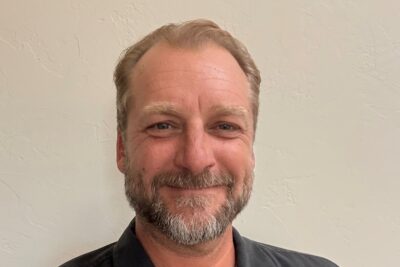
This is the full transcript for Episode #233 of the Wild Business Growth Podcast featuring Kaylin Marcotte – Puzzle Producer, Founder of JIGGY Puzzles. You can listen to the interview and learn more here. Please note: this transcript is not 100% accurate.
Kaylin Marcotte 0:00
Just taking life one piece at a time.
Max Branstetter 0:19
Heyyyyyo! Welcome back to the Wild Business Growth Podcast. This is your place to hear from a new entrepreneur every single Wednesday morning who’s turning Wild ideas into Wild growth. I’m your host, Max Branstetter, Founder and Podcast Producer at MaxPodcasting. And you can email me at to save time with your high-quality podcast. This is episode 233 and today’s guest is Kaylin Marcotte. Kaylin is the Founder and CEO of JIGGY as in JIGGY puzzles. She is reinventing the jigsaw puzzle. How boring, right? JIGGY Puzzles are super cool. They’re puzzles worth framing. And there’s a few things that make them really different in the space. One, they feature amazing art from emerging women artists. They come in super cool, sustainable packaging, little alliteration there. And they come with glue as well, because these are puzzles that are worth framing. So why not throw it up there and you have a brand new, fantastic piece of art once you complete your puzzle as well? In this episode, we talk all those things plus Kaylin’s start as employee #1 at theSkimm and the science or psychology behind puzzles and creativity and unplugging. It is Kaylin, it is JIGGY. Enjoyyyyyyyy the showwwwwwww!
Aaaaalrightyyyyyy we are here with Kaylin Marcotte and we are getting JIGGY with it. I’m sorry, Kaylin, I’m sure you’ve heard that one like 17 million times but founder, founder and CEO of JIGGY Puzzles, super fun company and you know, inherently creative company. So really excited to dive into the JIGGY story. Kalyin, thanks for joining. How you doing today?
Kaylin Marcotte 2:09
Thanks so much for having me, Max. So excited.
Max Branstetter 2:12
Of course, of course. I mean, I can tell you like jumping out of your seat already. But really excited to dive into the puzzle story and pause. I mean, everybody likes puzzles, like, no matter how much time you spent doing it just even like hearing the word puzzles is like, ooh, fun, like, it’s a fun energy to it. So appreciate it, how much time day and night and you know, probably not sleeping and all of that you devote to puzzles, but we’re gonna get to JIGGY in a little bit. But before that, I want to start with theSkimm because you are literally employee #1 at theSkimm, which is, you know, since blown up and obviously huge growth success story, that kind of model for anybody building a media company, but first employee, I mean, you really weren’t getting any sleep or break. Like what what was it like in those early days, months like that early in theSkimm?
Kaylin Marcotte 3:03
Yeah, it was so much fun. It was, you know, is 20 medigo founders end of 2013 It was just a really fun time in general and kind of the New York startup tech scene, a lot was happening, a lot of cool companies coming out of the city. I was like, just so young and hungry and excited to be a part of it. I’ve been a poli sci major and was really interested in current events and media and especially kind of how you know at the time you’re hearing all these millennials are cord cutting and you know, not watching cable news and how are how are they going to connect with, you know, world around them and, and traditional news media, so it was just really interested in kind of our mission, passionate about it, and it was certainly all consuming and I got no sleep, but wouldn’t have it any other way.
Max Branstetter 4:00
Yeah, and I think the early days of an exciting like high growth startup startup like that, and you’re living it now as well. But I think it’s exciting to think about and there’s so much energy, just even the thought of it, but there’s also like, you can almost get burned out thinking about it because you’re like, oh my god, like how much work went into this but clearly, there’s something that you and the team did right to grow the skim so much, especially in those early days. What are some takeaways that that you learned or did from your time there in terms of you know, scaling a business?
Kaylin Marcotte 4:34
Yeah, we definitely focused on very kind of grassroots and organic growth and really going through the exercise of, of brand building and not kind of a lot of the cheap wins and especially now the space I’m in like, you know, consumer and DTC a lot of just pumping money into Facebook ads and stuff like that. And this gives philosophy really set set my mindset differently You know, when I did launch JIGGY and that is that your greatest, you know, greatest asset is your community and your skin, you know, we really focused on who our audience was, what their days look like, what their rituals are, how are we a part of it? How can we engage with them and kind of help bring them into the fold and make them excited to engage with us invested in our growth want to be a part of it, kind of pull back the curtain and, you know, bring them into the team as small and early as it was and and have them help drive our growth. So, you know, the Skimm’bassador program was kind of our tent pole community program, which was huge for us kind of the OG like micro-influencer, you know, very kind of word of mouth, community program, and a lot of content marketing. I think in the beginning did the trifecta of press Carly & Danielle the co-founders like out, you know, two young female founders, sharing their their vision and mission and story and so a lot of visibility on the founders very kind of grassroots and organic growth on the community development and kind of word of mouth referral, Ambassador side, and then really some early like collaborations and partnerships, where we brought in, you know, celebrities and brand partners. And so I think those really kind of boosted the early days and contributed to that hyper growth.
Max Branstetter 6:35
And community I think is something you hear all the time every day I will literally my wife, Dana and I are like, binge-watching the show Community right now. So like for a little while, like, but I mean, in the social space in online space, it’s something that every brand strives for. I know there’s like a million different tips and tricks and like some work some don’t and it’s very custom overall, but what would you say is like a tactic in terms of community building that typically would work like regardless of what niche you’re in?
Kaylin Marcotte 7:07
Yeah, I mean, so we started the master program on college campuses, we really wanted to kind of test in a space that has a lot of infrastructure already and so we kind of piloted the program there and then ultimately released it to the whole scam audience anybody who was you know, was a reader could could participate and join and I think you know, connecting knowing like your why as a brand and having that very top of mind you know, I did countless I mean surveys but actual like one on one phone calls and I think getting to know your customer and you might have hypotheses but why do they want to engage with you as a brand what stands out to them what about your brand and messaging you know comes across clearly what do you need to do more education around? So I think having a real close pulse on your audience you know, always listening on social and and kind of open email like keeping that dialogue two sided and really listening to what they’re talking about asking for so getting to know your customer I think at the skim spatulate really helped that especially in the early days like the whole team we were our target audience you know, we were we didn’t really it wasn’t really a stretch to imagine like what are they you know, we did a whole exercises of like alright, theSkimm reader what is she doing on a Saturday Okay, she’s at brunch What is she ordered? So she ordered you know pancakes for the table like what do you know and really diving so deep into this profile of our audience and then you know from there what are ways we can serve them what are like true just value add we can interview or we ask nothing and what you know, what are ways we can incentivize them in return? So I think it has to start with really knowing who they are and you know, what motivates them what they care about, what about your brand has engaged or made them want to to engage and then finding you know, continuous ways to serve that
Max Branstetter 9:14
so let’s get from pancakes to puzzles. You teed up perfectly that joke might be a little flat. A little flapjack, I could go on all day on this. Let’s get to JIGGY so awesome company that’s really taken off in recent years. And I think as I was alluding to at the start, when you think about puzzles, they are super fun and challenging, like so many people like them, but it’s one thing to play them it’s in you know, interact with them. It’s another thing to build a business that is like able to get this to people at a large scale. So plenty of their puzzles. How did you first get involved in interested in the puzzle space in the first place?
Kaylin Marcotte 9:57
I rediscovered puzzle Okay, as you know, I identify as a kid and I’m with my family, but really not for my adult life. And then it was during those early theSkimm days when I was really just loving it and passionate about it, but also kind of burning out and on screens all day and looking for a way to unplug after these long work days. And so there was a lot of conversation this time around, like, you know, the URL, like headspace and calm and meditation and yoga, and I tried all that and just nothing really stuck with me or formed into a routine. And I somewhat randomly I had a puzzling around and did it and it just clicked it very quickly became my kind of nightly ritual, my form of meditation. And, you know, I think I’m, maybe it’s type a people that like, I want to relax, but I also want to see progress. And I want there to be a right answer. And puzzles are the perfect activity that kept me engaged in and kind of, you know, my mind concentrated and consumed enough with this activity, but also, you know, away from screens, obviously able to I listen to a million audiobooks, or podcasts or just good music while doing them. And so it really Yeah, became my, like, nightly ritual. So I was going through basically like 1000 piece puzzle, almost every single week. And so as you can imagine, I was constantly looking for more buying or going to toy stores online, and everything I could find I felt was a little cheesy and just kind of, you know, grandma’s puzzles, same cardboard box, same kind of set of stock photography. And so the idea planted like years before I ended up launching the company when I was still at this game, probably 2015 of if I got to dream up of, you know, my ideal puzzle. What would that be like? And what do I think I can bring you what I do differently about this experience? And this favorite hobby of mine?
Max Branstetter 12:05
favorite hobby that is now a little bit more than a favorite hobby. Yes, at what point did it switch from like, noticing there were some pain points, if you will. And the puzzle industry to this could be a real business,
Kaylin Marcotte 12:20
I started a folder like I photos folder on my phone. And just anytime I was out and about in the city, you know, art fairs shows I saw artwork that I thought would be fun to puzzle, or on Instagram, I would screenshot it and put it in this folder. And so I knew from the beginning first step was the design itself, I want you know, obviously, that’s what you’re, you know, immersed inside of and living inside of stunning, every detail of for hours on hours. So I wanted the art itself to be more compelling and interesting, and more of an aesthetic experience than the the stock photography. And so that was first and really, I just nervous still enjoying my work at this game, I ended up staying for four years. And in that time, year 2014 1516 17 I saw also just some trends, you know, happening, the adult coloring books, you know, kind of Pinterest and DIY communities and just more of kind of a conversation and like zeitgeist around play, like, you know, adults needing play and wanting to get away from screens. So I thought that there were some, some trends that you know, indicated, maybe it’s not just, you know, me who launched this, but there could actually be an appetite for a product like this. And then certainly seeing some that had, you know, productized like the adult coloring books and things like that, that made me more confident. So ultimately, when I left this game, started working on it, and then launched in 2019
Max Branstetter 13:58
for like the typical startup founder, like there’s enough unknowns and things to figure out but you literally have a product that is like broken into 1000s of pieces, like extra extra pieces to figure out extra pieces to to put together or we’ll have people put together themselves. But what were your first steps once you said like, alright, full go like, let’s get JIGGY. Let’s turn this into a real thing.
Kaylin Marcotte 14:22
And the first step obviously, I had had the experience the scam of being at a startup, an early Company, but you know, digital media, so the product world and how to have make a thing and get the thing from point A to point B. And so really, you know, supply chain and freight and logistics and all of that was brand new to me. So that was where I started and called in a ton of favors and asked anyone I knew who had worked on physical product and so we’re kind of parallel path while I was doing just Did the infrastructure and homework of you know, coming up with a name and getting a website and domain and all that was trying to just start the beginning steps of finding a manufacturer, which ended up being more difficult than I thought I kind of thought, yeah, there must just be a directory of factories. And, you know, I find one that works with paper, and then I call them and I say, I want to make this thing. And you know, it’s a much more kind of relationship driven old school need intros, you know, high minimum order quantities, they might even take your business, especially pre revenue pre launch, you know, it’s a risk for them. So that ended up taking a lot longer than I was expecting to. And then because, you know, the second kind of big point with JIGGY first is the art itself. But then also, I really wanted to reinvent the packaging and reimagine how puzzles might be presented and kind of less of the toy and game but more kind of giftable and elevated and more like home decor. And so I really wanted to reimagine the packaging. And so, you know, on top of, of trying to find the right factories, I also was asking for everything custom, you know, to be fully custom to this vision, and a lot more kind of premium product positioning. So those were definitely the first steps but some of the hardest steps thus far.
Max Branstetter 16:25
And now it’s just, you know, you snap your fingers and it’s all easy you know, but yeah, those are really important things to figure out early on. I mean, the manufacturing piece, again, it’s like, difficult enough on its own, but when you’re starting to ask for custom things, or like getting getting plants to do something in a way they’ve never done it before, that’s like another like wall you’re breaking through. So that’s a whole other can of worms are kind of puzzle pieces. So on the packaging standpoint, how did you like brainstorm, and then decide on what the packaging, you know, look like as it looks today.
Kaylin Marcotte 17:00
So I started, you know, just taking into being so kind of aware and mindful of of products and packaging everywhere I went and looking at living in Brooklyn and the very curated gift boutiques and shopping around. And then I found a you know, and I also I started to have kind of some ideas, but getting it from concept to like a print ready, you know, CAD file and call it for the factory to actually be able to manufacture, I had no idea how to do that. So I ended up just on LinkedIn, finding this girl who was graduating from the School of Visual Arts in the City and had product design listed on her kind of study categories. And so we started working with her, we, you know, would take cardboard and paper and kind of cut up some, some concepts. And we ended up essentially making it and then, and then she kind of translated that into these factory ready files, did some sampling and kind of prototyping and went back and forth. And then yeah, ultimately got the completed because we also we have a number of components. So there’s of course, the puzzle in the box. But then, you know, the puzzle pieces come in a glass jar with a cork lid. And we include puzzle glue, the whole concept is these are real pieces of art. So we include puzzle glue with each one. So there’s the glue supplier, and the glue tube supplier. And so really bring all of these components together. And then finally got our, you know, the final packed out completed sample two months before launch, oh,
Max Branstetter 18:41
just in the nick of time, and glue, that can be a sticky situation. But glue, that’s something you don’t see with most puzzles. So I think that’s a really cool differentiator for you. Where did the Insight come from that sparked that we should actually include glue like with these puzzles?
Kaylin Marcotte 18:58
Yeah, you know, it started by I was stacking that, you know, I was doing like a puzzle every week and I’m too sentimental to just tear it apart right away and put it back in the box. So I would just stack all my completed puzzle on top of each other. And when you’re done with a puzzle, you essentially like you know, 24 x 27 inch print of this design that you just spent 10 hours on. So I was like I would love to want to display these I just you know it’s like stock photo of a fishing tackle or whatever it was it
Max Branstetter 19:30
was like um, that’s exactly what I was thinking yeah.
Kaylin Marcotte 19:34
And say, you know, puppies in a basket or whatever it was. And so once the main concept of these are going to be beautiful puzzles that are original art by these artists that were licensing from and that this might actually be something you know that we are positioning these not just as the activity of puzzling but as art itself that we wanted to enable actually keeping them and I had heard you know, you can By can’t use like monopod or kind of tried to piece it together yourself to glue it, but I ended up going on just like Reddit thread after Reddit thread lead people who like, you know, glue all their puzzles. And so, so saw kind of what you need, you know, you need it to be like, dry clear, you know, basically it works just by getting in between the cracks of the pieces and then drying and binding them. So, you know, the kind of viscosity it has to spread across the whole puzzle dry clear. And I watched the video this guy on Reddit and Randy uploaded a video of himself and he just like, dumped this like waterbase craft glue on and then used because I was like how do you you know, spread it? Do you use a paintbrush or something, but then when it leave lines and texture, so he just dumps on his glue and uses like his credit card or like driver’s license or something to spread it across? And I was like, Yeah, I guess all you basically need like a straight edge tool to spread it. And so we ended up we developed our our puzzle glue and our kind of straight edge tool that spreads it. And that comes with with every single tricky puzzle now.
Max Branstetter 21:11
And shout out my uncle Randy, who was the one on Reddit that made that video. No, that was very much not him. But he is Randy. But that yeah, that’s a really important insight there. So you have like literally the whole package here because the like the package is beautiful, the accessories are beautiful. And the artists and like art that is on the puzzles and the artist that you partner with are just amazing in the in the artwork is beautiful. And so I know that that brings a lot of a lot of life to the company. And it’s really important to you know, the creative and like overall vibe and mission to the company. Where in the process of developing JIGGY did you kind of make it a point to partner with these amazing emerging artists
Kaylin Marcotte 21:57
super early like step one, basically. So I grew up in California, and when I was a kid, my mom started an arts nonprofit, she’s done her whole career and arts education. And she started a nonprofit in LA, we were always surrounded, you know, growing up that summer programs after school and always has surrounded by the art community in Los Angeles and had seen how hard it is for visual artists, you know, to monetize your work, even if you are getting doing shows, gallery representation, even an agent that you know, selling originals, you know, trying to sell prints, but then monetizing your work and making living off of it was was always top of mind, I was looking for different opportunities. So as soon as I have, you know, thought to merge these two passions and you know, I have a product I need art, I think there’s so many talented artists out there who you know, for instance, like I don’t know how they would be received if they’re like, that’s kind of silly or just like not a use of of their work that they had
Max Branstetter 23:08
laughed off the stage.
Kaylin Marcotte 23:11
But they were so excited and they were like the idea of somebody almost like, like co-creating with me, it’s like I clearly do this art but like they’re, you know, they’re studying every detail they’re looking at every piece they’re putting it together and like really to have more kind of intimate relationship than just looking at it, you know, on a on a wall and so yeah, the artists were excited. And so I started just going to every art fair and show and websites where artists are selling prints of their work and Instagram and started just pulling together you know, not all art is a great puzzle experience especially there you know, large areas of one color and not enough detail or layers or so I had to you know, look at the art itself and then also the puzzle lens of what is to be enjoyable. But yeah, I started pulling together our first designs as really one of the first steps in starting the business.
Max Branstetter 24:12
Yeah, imagine like the super abstract ones that are like a big rectangle that’s a solid color would be more difficult than like a portrait or landscape or something like that. To this day, how do you I guess efficiently I know you’re not thinking about efficiency with it, but like how do you more efficiently keep your eyes out for artists that would be awesome to partner with and future? Yeah, I’m
Kaylin Marcotte 24:39
always whatever context I’m in personal or professional always looking around keeping my eyes open for our but we also started you know, once we launch and we’re live and in market and building our social audience and some kind of press and media attention. We started getting a lot of inbound from artists. So now we have Essentially, it’s an open submission process. And so there’s a form on our site, and artists can submit their work. And so now when we go to curate another collection of designs, it’s pretty evenly split between people. We do a feature on social media called Art crushes. So people we just have art crushes on and you know, we go out to them and, and pitch them on working together. And then this open submission form of people, artists who have applied to us,
Max Branstetter 25:28
do you accept audio submissions, I’m imagining? If you could do an audio puzzle, which I am sure there’s a way to add another dimension to the business as well. But I love that. Yeah, whatever. Yeah. But there’s so many fun, and like energizing aspects, I feel like this whole interview, I’m just saying energizing over and over again, energizing. But there really are so many aspects of your business that like, make it so different. And also make it make it energetic. I don’t know how else to say it. But overall, like looking back, looking back, since the start of it, what would you say, has been like the biggest decision that you made, besides starting the company that has led to grow in the company,
Kaylin Marcotte 26:17
I mean, definitely deciding to do some retail relationships, I started out really excited about direct to consumer, and that, you know, you just get so much, you get to build so much more of a relationship with your customer. And so, especially for my skim experience, and content, and you know, email and doing good, like zoom puzzle parties and stuff. So I was really excited about direct to consumer, I wasn’t prioritizing retail, but we had some opportunities come about and and so that was a big, our first one was Anthropologie and you know, they found us and they it was just that perfect alignment, I think of our demographic and the answer shopper who really values form and function and the idea of a an activity and home decor and something very design forward. And so it just seemed like the perfect partner and her job opportunity. So our first wholesale retail relationship was with anthropology and since then we’ve done a few more, but that is, you know, a great definitely can be a ton of work. And, you know, you usually have to you obviously manufacture and kind of float the purchase order basically. And and so it’s not a decision to take lightly, but it definitely can unlock a ton of discovery even even today, that was two years ago. And even still, people say you know, found your damn throw and now, you know, come to your site and see what’s new every every other month or so. So definitely to just get that discovery get in front of people that it would be either very hard or very expensive to reach on your own, especially now with performance marketing, and Facebook, iOS 14 and you know, it’s not as easy to get in front of, of new people and acquisition costs are just going up and up. So I do think there’s, there’s really a compelling time and place for retail. And that was kind of a big unlock for us. And I’m
Max Branstetter 28:18
such an amateur, right, I had no idea that it was Anthro short for Anthropologie. I’m familiar with anthropology, I’ve never heard that nickname. Like it rolls off the tongue. When you go into, like different space, they’re like when you’re totally focused on tea to see and then the retail opportunity comes up. Like that’s a huge shift. Because, yeah, anybody who’s been in the world of working with retailers, and I just know from my limited experience in the CPG world before, like your customer is the retailer. And then obviously you still have the end consumer as well. But like you it adds another level to it. How have you been able to keep the the end focus on the end consumer while still, you know, focusing on you know, getting into those doors stores I know CPG speak into those into those retail stores as well.
Kaylin Marcotte 29:08
Almost like ignorance is bliss. Like, especially in the beginning, you know, I’m just being naive and asking all the questions. I’m like, great, so do you like, would you let me come in and do like, meet the maker and do these events? And can you put us in your email and you know, now we have large department stores? They’re like, placements and our email is pay-to-play for $25,000 or whatever, you know, and I’m like, oh,
Max Branstetter 29:31
so is this podcast by the way so
Kaylin Marcotte 29:34
Yeah, is there anything you know, not knowing like not to ask and even still knowing I still make the ask but you know, how can you guys support us on social and put us in email and you know, can we feature on the site? Can we be in best gifts under 50? And like how do we aid discoverability for on your ecommerce and in store you know, I’ve gone in store and like, changed our merchandising like, you know, pull have pulled up different ones and replaced it and made sure that it was clear and Okay. There’s some seems to be some consumer confusion here should we get like a sign or printed materials to aid that so I think being incredibly hands on because yeah, ultimately, it’s kind of you’re serving them in different ways. But if the end customer gets it likes it buys it, then like your retail customer is happy, you know, if you can, if you can serve them both at the same time, but it is a very different and, you know, I ended up eventually after doing that one myself, you know, getting some help and their brokers you can use or certainly just kind of contractors who know this, because you can, I mean, they’re, it’s a whole different language and the things to watch out for, you might not, you know, all each one has different delivery, you know, carton labels, specifications, and all these things and you there could be real, you know, chargebacks that you’ll be hit with. So, knowing the ins and outs and, and being able to deliver compliantly with the partners No, no small task. So definitely either carve out the time or bring in help.
Max Branstetter 31:22
I have a little puzzle for you. unscramble this, you can sign up for the Modcasting to the Pax newsletter at MaxPodcasting.com/Newsletter. That was the worst puzzle ever. But if you want to learn about the ins and outs of podcasting, as well as amazing entrepreneurship stories from Wild entrepreneurs like Kaylin, you can sign up for the Podcasting to the Max newsletter that’s at MaxPodcasting.com/Newsletter. And you also have incredibly terrible jokes in there from yours truly, because I just cannot help it. Alright, let’s dive into what makes puzzles so puzzlingly fascinating and curious. So let’s switch gears a little bit. Let’s get to inspiration and creativity. Typically, we dive into kind of you more on the personal side, like how you stay inspired and how you stay creative. But of course, one of those things that has been huge in your life in your career is puzzles. And I think one of the things that’s so fascinating about puzzles is, like you said, they are such a fantastic way to unplug is such a fantastic way to you know, unwind, get away from screens, have your creative ideas flow, like there’s so many perks to doing them. And there’s so enjoyable. Why is it and we can go like as deep, you know, like psychology of it as you want. Why is it do you think that puzzles are such like a fantastic way to unplug and just kind of let your mind wander?
Kaylin Marcotte 32:56
I definitely once I started like feeling the effects myself kind of dug into, like, what is their science here, or what has anyone else said about this and definitely found a lot, you know, connecting them to sleep and brain health and they’ve long been kind of used with dementia communities and just in simulation with pattern recognition and shape recognition and fine motor skills. And it does, you know, is an activity you can do before bed and, and unwind. But there’s still that, like dopamine it for you know, you get a you get the piece of fit, like you get it right and it still does does release that little reward center. And so, but in a productive actually my friend who runs kind of a grief support community and they recommended a lot to one kind of past time, there’s like, you know, you can spend hours and hours so it’s a way that you know, there are a lot of unhealthy ways to distract yourself but a very kind of healthy way to pass time it is consuming enough, you know, you have to be looking at the shape looking at the pattern referencing back the image. So it’s consuming enough to kind of quiet your mind and, and quiet you know, any any thoughts coming up? I think it’s like the right very kind of delicate combination of like enough engagement and stimulation, enough of a reward when you get it right. But still, you know, relaxing away from technology and just an opportunity to be with your thoughts or put on some good music.
Max Branstetter 34:30
Yeah, it makes me think like there’s so many different categories and things like that where it’s it keeps your attention just enough, but it just requires a lot of your focus but also there’s enough you know, subconscious going on that you can put things together and connect all the dots. It’s a great space for that. Like nowadays now that the business is like more established and you know, I’m sure you’re focused more on you know, operations and marketing and things in that world. Are you still able to keep an eye out for like trends in life? Like what sort of, you know, designs or innovation in the puzzle world with, you know, be like a more enjoyable, enjoyable or an innovative customer experience.
Kaylin Marcotte 35:09
We’ve launched a few kind of product extensions. Since our first signature product, we did a kid’s line. So we have JIGGY Junior for kids, we did it because we include the puzzle glue with each one. And we you know, want to go a lot of points about framing it and how to actually preserve it as art. So we launched frame pairings, we are developing a line of accessories basically like puzzle board, puzzle mat. So if you’re, you know, don’t do it in one setting, you can move it around the house, kind of save it for the next session. We also actually they’ve kind of just taken off pretty organically, but we developed puzzle greeting cards. So they started out as our own JIGGY gift cards. So if you ordered a gift card, it itself was a mini puzzles, it was 24 pieces, you know, completed like a postcard size. And the gift code, the redemption code is on the back. So you had to put it together to get your redemption code to use your gift card. And people just loved having the surprise and delight of you know, opening an envelope in the mail and having 24 pieces and having to put it together to unlock this message. So we did basically a greeting card version, but you know, you can write on the back of your message. And then the front we have holiday designs and now Valentine’s Day and thinking of you and just greeting card. So our greeting card puzzles, because we’ve very fun. You know, I think really after that we’re looking at a couple other products that are art and relaxation and mindfulness, like adult coloring books and kind of paint by numbers. And so we might branch out with our first non puzzle products at the end of this year so
Max Branstetter 36:57
it’s not true that’s super exciting. Let’s get from exciting to unusual as one naturally does. So let’s get to the unusual No, this is totally about you just outside of work. You know personality wise pet peeves, quirks weird talents, so first thing pet peeves, what’s something that just like ticks you off a little bit that you see people doing?
Kaylin Marcotte 37:24
Before we made my transition from California to New Yorker after I this is going to be my 15th year – slow walkers. Somebody I heard somebody put it there like you know in any other city like downtown centers you know, it’s tour as you’re walking around, but like we live like we are trying to get somewhere so the I think I mean in general like a less kind of trivial pet peeve I would just say is like self awareness I in relationships, working relationships. It’s something I put a lot of value on and and just kind of self aware awareness and in a trivial sense. Unaware slow walkers is definitely one.
Max Branstetter 38:10
Oh, no. Yeah, so if you combine them slow walkers who aren’t self aware, I think would be your favorite people in the world. Yeah, plenty plenty in New York. Fortunately, plenty fast walkers as well. How about quirks with something a little bit quirky about your personality that somebody you know, maybe significant other family friend somebody calls you out for those who are
Kaylin Marcotte 38:29
It used to be being “The Puzzle Girl.” So you know, when I was doing them every week, I’d post them on my Instagram and my friends are like this cans like really in the puzzle. This is getting weird. Now. So when so again, growing up in LA the one thing which my husband has actually he just found out about that has not seen yet is you know, when I was in middle school, lower school middle school, I wanted to be an actress, and I ended up auditioning for the most budget indie horror film ever. And I was axed to death.
Max Branstetter 39:08
I’m sorry. I’m so sorry.
Kaylin Marcotte 39:13
30 It was 10 I don’t even know this. Yeah, budget in the set. So I think it’s like straight to DVD. My dad has a copy. You can barely find it online. That yeah, my one of my 15 minutes.
Max Branstetter 39:29
That’s awesome. Not many people can say that. So that’s, that’s like, probably the ultimate resume booster. So it’s nice that you have that in your history. All right, let’s wrap up with a special Rapid-Fire Puzzle Q&A. I should have thought of a better name for that Rapid-Fire Puzzle Questions. Whatever you call it. Let’s get Wild. Who would be your dream artists like all time? Maybe it could be from like a different era or dream artists or painter to create a jigsaw puzzle.
Kaylin Marcotte 40:02
I love like a custom original Frida Kahlo piece to puzzle
Max Branstetter 40:08
Oh yeah, that would be amazing. What is a book or TV show or or movie? That is your favorite one that involves some sort of puzzle or mystery chick
Kaylin Marcotte 40:23
let’s thrillers so like the Gone Girl types, The Girl on the Train. Yeah so any like interesting like format or structure to the storytelling but loves them thriller mysteries.
Max Branstetter 40:38
You you I think, sympathize with or empathize whichever is the right one with girls in films who get axed or or disappear. I think that’s the Yeah.
Kaylin Marcotte 40:51
Thank you for the free therapy lesson.
Max Branstetter 40:54
No problem. What is your favorite type of puzzle to do other than a jigsaw puzzle?
Kaylin Marcotte 40:56
Our morning routine, The New York Times crossword puzzle.
Max Branstetter 41:05
I was fortunate to interview episode 197 I believe was Will Shortz, Crossword Puzzlemaster for The New York Times. And that was just absolutely awesome. So you’re in good puzzle company on the show. This is like I don’t know if this is like Fear Factor, Guinness World Records or what but if you were tasked with completing as like a participant, a 1 million piece puzzle, how would you go about it?
Kaylin Marcotte 41:34
Probably dive right into just like color blocking and sorting and then breaking it up. I actually heard you know, they sell biggest puzzle ever, like available online I think is like at around 10-20,000 pieces, but they break it up and send it to you like basically 10 1000 piece puzzles in the bags. Kind of cheating. Is that like
Max Branstetter 41:59
you’re gonna have like, be delivered by like an elephant or something? Like
Kaylin Marcotte 42:04
but yeah, oh, sorting probably be the hardest part there. But I think I’d have to go. Yeah, kind of broke down the pattern color block and then try to break it into, you know, a few 100 smaller puzzles.
Max Branstetter 42:18
Okay, well, perfect for Fortunately, this is you know, at least at the time of this recording, this is just a thought experiment. So you don’t have to, you know, waste your life on one project, but fun to think about. And then last one, if you were to paint or draw or you know, create the artwork for a JIGGY puzzle, what would it be,
Kaylin Marcotte 42:37
like saturated like print and pattern and a ton of detail. So I would probably do something kind of a patterned like landscape.
Max Branstetter 42:48
Beautiful. Awesome. Well, Kaylin thank you so much. This has been awesome and just love everything with your story and the JIGGY story, just awesome business. Where’s the best place for people to try out JIGGY themselves and connect with you online?
Kaylin Marcotte 43:05
@JIGGYPuzzles everywhere. So JIGGYPuzzles.com. And then I’m @KaylinMarcotte on social and if you want to say hi
Max Branstetter 43:18
awesome definitely say hi, thank you so much for coming on. And last thing Final Thoughts it could be a quote, a line, just words of wisdom in the puzzle world whatever you want. Send us home here.
Kaylin Marcotte 43:29
I mean, I actually wrote a blog has said all my life lessons learned through puzzling and I think you know, definitely just taking life one piece at a time.
Max Branstetter 43:42
Puzzles on puzzles on puzzles on puzzles, more alliteration there for you. Kaylin, thank you so much for coming on the podcast, sharing your JIG-tastic JIGGY story. And thank you, Wild Listeners for tuning in to another episode. If you want to hear more Wild stories like this one, make sure to follow the Wild Business Growth Podcast on your favorite app and tell a friend about the podcast and then buy some JIGGY puzzles and do puzzles and put them on your wall with them. You know, and do like a jig dance as well. You can also find us on Goodpods, where there are fantastic podcasts and probably lots of puzzle podcasts and podcast episodes as well. And for any help with podcast production, you can learn more at MaxPodcasting.com and sign up for the Podcasting to the Max newsletter. That’s at MaxPodcasting.com/Newsletter. Until next time, let your business Run Wild…Bring on the Bongos!!