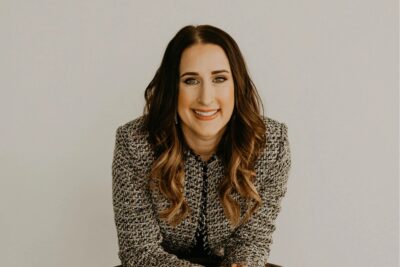
This is the full transcript for Episode #224 of the Wild Business Growth Podcast featuring Drew Wolgemuth – Ring Ranger, Founder of Wove. You can listen to the interview and learn more here. Please note: this transcript is not 100% accurate.
Drew Wolgemuth 0:00
Stay confident, believe in what you’re building. Don’t let 20 No’s in a row get you down
Max Branstetter 0:22
Heyyyy Drew. Welcome. Welcome back to the Wild Business Growth Podcast. This is your place to hear from a new entrepreneur every single Wednesday morning who’s turning Wild ideas into Wild growth. I’m your host, Max Branstetter, Founder and Podcast Producer at MaxPodcasting. And you can email me at to save time with your high-quality podcast. This is Episode 224, which is one more than 223 and one less than 225. Bet you didn’t know that. And today’s guest is Drew Wolgemuth. And Drew is the Founder and CEO of Wove, the custom creative personalized engagement and wedding ring or wedding pen company that is on a mission to deliver the world’s most enjoyable and most customizable engagement ring shopping experience. They have some really really cool differentiators including private consultations, custom replica rings delivered within a week, and a super quick turnaround time on the final ring as well. Drew has a fascinating background even before Wove, he served as an Army Ranger, he got into a pretty significant accident as part of training for that, that he goes into detail on. And in this episode, we talk all the above, plus getting that MVP at the start (Minimal Viable Product). And the super important, correct way to load a dishwasher. It is Big Drew. Enjoyyyyyyy the shooooooow!
Aaaaaalrightyyyyy, we’re here with Drew Wolgemuth, muth I’ve practiced this all morning. And here we are, we’re just gonna call you drew Drew, the man, Founder and CEO of Wove, and just an awesome story. Awesome background. Before that, though, we’ll get to as well Drew, thanks so much for joining How you doing today.
Drew Wolgemuth 2:27
Yeah, thanks so much Max, excited to get to chat with you. Of course,
Max Branstetter 2:31
of course. And this has been splendid already. So we’re just gonna sign off now. Now this, I’ve used that joke for like seven podcast. I don’t know why I keep doing it. But we’re gonna get to the wolf story, which I think is especially relevant for both of us considering that as we were talking about before, my wife Dana and I got married a little over a month ago at the time of this recording. And you and your wife got married, I believe you said last September but at the same time we got engaged so great, you know, just super exciting time for weddings and engagements and you know, marriage stuff, love stuff all around. But so that’s a little teaser to wove, but before that I always endlessly fascinated and appreciative and everything that ties to anything dealing with the military. And I know you have a background as an Army Ranger, which is just awesome. So cool. My only taste of it is I did get to go to West Point for one football game one time. So that was fun. But that’s your experience with West Point is a little bit more than it. So what got you interested in being in the Army and ultimately army in Army Ranger in the first place?
Drew Wolgemuth 3:35
Yeah, well, that’s awesome. You got to go up to West Point. And saw a game or games been our team’s been pretty decent these last couple of years. So hopefully it wasn’t the last couple of years not when I was a kid that I think we had a very much a losing record at that time. Yeah, I get a lot of funny looks from people when they find out that an Army Ranger is building a jewelry company. Essentially the way that I got into it, my parents were jewelers. They had a small jewelry company in Lancaster, Pennsylvania. So that’s my background in the industry, but really had zero intention of going into the industry whatsoever. After West Point. I commissioned as an infantry officer, lived in Georgia, Colorado, Washington, eventually assessed and selected for the 75th Ranger Regiment, where I was at for about three years got to deploy a couple times with them. And in my last year with the Ranger Regiment, actually was in a bit of a training accident and broke my neck and jaw. And it ended up being kind of what led to me getting out. So while I was in though, is really where the company kind of got its start actually on deployment to Afghanistan in 2019. A bunch of my fellow Rangers that were deployed with me wanted the ability to buy an engagement ring while deployed so that when they got back to United States they could step off the plane and propose only issue being in No one wanted to take the massive risk of sending a multi $1,000 engagement ring overseas. So essentially what we started doing with the help my family’s business is remotely designing and sending exact realistic replica rings to them overseas. And so essentially these replicas looked and felt indistinguishable from the final ring, but gave Rangers the ability to design and then buy, so that when they got back they could propose and really, that was kind of the earliest version of wove that we have today. And through the pandemic, when when jewelry stores were closed, we again had the opportunity to use this same service for people that wanted to be able to buy engagement rings. So really, that’s how we got our start.
Max Branstetter 5:47
I love that an Army Ranger walks into a jewelry store, it said it sounds like sounds like a one liner there. But that’s such a cool background and fusion of different passions there. So you mentioned one of the places you’re deployed, is Afghanistan. How would you characterize like, the emotions that go through your head when you’re actually going out there being deployed for the first time?
Drew Wolgemuth 6:10
Yeah, it’s, it’s a great question. And I sound kind of like a psychopath saying this. But I and my unit love deploying, it was always a highlight, I cherish those memories that we had together the good times the bad ones, but every Ranger just wants to deploy, they want to do what they were trained to do. It was a time full of emotions. It is funny, a lot of different training that you do in the military, during deployments, a lot of times you get this advice that, hey, when you get back from deployment, or when you get back from this training, don’t make any big, significant life decisions. Because you’re not in a mental state to do that, like don’t go home and propose to your girlfriend that you just started dating after two weeks before deployment. But it is funny. I think deployments can be a really emotional time for people. And you kind of think about what your priorities are what’s most important to you in life. And a lot of my friends decided on deployment that they wanted to propose. And so it was kind of this interesting time getting to work with those guys and a ton of other service members to really plan out the proposal and help them with the ring.
Max Branstetter 7:20
And how did the broken neck and jaw go down? Because I have like chills not in the best way. When you say that, how did that happen?
Drew Wolgemuth 7:30
Yeah, it was a so it was after my first deployment with the Ranger Regiment. And essentially, we were training up for our next deployment, it was a night time what we call a nighttime stress shoot. So you’re essentially running through this scenario, in a training environment, but you’re using live ammunition. And essentially, I was evaluating one of our teams and running through the dark under night vision and fell into a seven foot cement culvert. didn’t see it coming, was in my full Ranger get up. And fell about seven feet, landed on my neck broke my neck broke my jaw lost most of my front teeth for about a year and a half until they could do bone implants. But yeah, definitely kind of a curveball that, you know, definitely changed the trajectory of my life in so many ways. I was also in a funny sense, I was dating my now wife three weeks at the time of the injury. And so for the next year and a half of us dating, I had no front teeth. So every time she would introduce me to family friends, it was just like, Okay, who was Sarah dating, like, who was this guy, but ended up being you know, a really special memory for us.
Max Branstetter 8:47
That’s amazing. I think that’s a great kind of gut check right away, like, alright, if you enjoy being with this person, when they’ve lost plenty of teeth and bones and all they’re all over the place. Health wise, I think you can make it for the long haul. So that’s just awesome. Let’s get to the wolf story. So this is an awesome business overall, and just especially cool interviewing you at this time after just kind of like going through the whole, you know, engagement ring and then wedding band process and you know, the whole marriage process and all that but so Whoa, you kind of you kind of alluded to that this, you know, you have the family background with the jewelry business. What sparked the idea is being deployed and having so many, you know, fellow Rangers that wanted to propose. So first what that background growing up, did you want to get involved in this jewelry path?
Drew Wolgemuth 9:40
Not at all, I had zero interest wanted to be a ranger. And then when that opportunity was taken away from me through this accident, and I’ve been working on this business idea, kind of like I mentioned for a little bit of time, not too much time. You know, I kind of had a decision point it was either I’m gonna get back to school We’ll go work for my family’s jewelry company, or kind of take a leap and give this business venture a try. And so on my way out of the, the army, I had an amazing opportunity to attend the Stanford Business School’s entrepreneurship program called Ignite. It’s basically like a one month summer crash course in entrepreneurship. And through that program started working on what is now wove. And so about two months after getting out of the Army, officially, my co founder and I were fortunate enough to raise some venture capital, launched the business and wove, as we know it today, launched about a year and a half ago. So we’re a very new company. We’ve seen some really excited, exciting traction, we just raised our series seed. So our team has grown dramatically. It’s been a really exciting time. So excited about the progress we’ve made,
Max Branstetter 10:59
or congrats on that the obviously raising funding is something so many entrepreneurs aspire to do, or an often have dealt have difficulty with have difficulty saying the word difficulty, have difficulty doing or it takes so long to actually do so. But it sounds like you know, since that Stanford Ignite program, like you really ignited things and like everything’s been moving really, really quick. So moving at a really fast speed there. When you were in those, I guess, the early days of Wove, which it’s still the early days of Wove, but when you were in the early, early days of actually, you know, thinking about whether this deserves to be a business or not. What was it that sealed the deal for you that hey, actually wove is like it standalone business, there’s huge opportunity here, we need to go all in on it.
Drew Wolgemuth 11:43
I think it’s really fascinating. Just about every entrepreneurship book I’ve read always talks about the importance of MVPs minimum viable products, and testing your ideas early, often getting as many data points as you can to essentially validate that what you’re building actually should exist, and then doing that as inexpensively as possible. And I think for us, we had some major advantages having my parents in the jewelry industry. While there’s very little crossover between our businesses, my family’s company is a small retail store that purchases inventory from different brands and vendors and then sells it to their clients. We are a remote custom design company, and we send replicas. So we were kind of mixing the custom design with the manufacturing side. But ultimately a very different take. But the major benefit that we had was that I grew up in the jewelry industry. And so I had a very deep understanding of what the customer journey was, what the pain points were that they faced. And so that gave us a great foundation. And then through this time in the army, working with my fellow service members to design rings, and then through the COVID-19, early days of the pandemic, this gave us an opportunity to really validate the idea and start testing it on real people without putting up a ton of capital to build a company. So almost all of our early clients were friends, or were friends of friends. We weren’t advertising we weren’t spending money on, you know, Facebook ads or anything like that. But really, for me, the true validation came when the pandemic started winding down, jewelry stores started opening back up. And we still had people coming to us and saying, Hey, we want this unique experience. We want to be able to design an engagement ring remotely, receive a replica for home tryon and ultimately be able to buy the ring from you with full confidence that the ring we’re getting is what we want to wear the rest of our life. So those were key moments in the business history that gave us the validation we needed to kind of take that leap of faith.
Max Branstetter 13:58
And it’s funny you mentioned MVP, MVP, not NVP NVP was the Nickelodeon football game a Nickelodeon Valuable Player. But the but MVP, if you’ve ever seen the show, Silicon Valley, their first episode ever. Their pilot is called MVP. Yeah, I love that show. Yeah, so they so they start off with that and kind of starts their whole entrepreneurship journey right there. So same thing for you basically. But that’s that’s so important, especially at the start there. What was involved in crafting that first offering and then you know, refining, refining it to a point that you know, you’re seeing positive feedback about it.
Drew Wolgemuth 14:37
So when we first started working with with rangers and then with friends during COVID, our business essentially didn’t exist. We had no product, we didn’t have our own Goldsmith’s we essentially what our company looked like was me meeting with friends over zoom, helping them discover exactly what they wanted for my limited experience in the jewelry industry. And then essentially, I had a team of contractors that I built relationships with that kind of were the earliest employees in the company. So we didn’t have any funding at this point, the most inexpensive way to do a lot of things is to outsource it. And so I started essentially paying designers on Upwork, or Indeed, to help me sketch rings. I called a lot of companies on Jeweler’s Row in Philadelphia to find jewelry shops that could essentially build replicas for me, and essentially kind of piece together this contract labor force, that was able to help me produce rings in the very, very beginning. And so after we raise funding, even then we still outsource most of the requirements for production. And then only until recently have we brought all of those different roles in house. And that’s been tremendous for a couple reasons. One, it allows us to maintain complete control over the process, ensure that everything we’re building is high quality, and it’s being created in a timely manner. But also, the level of collaboration that we’re now able to have between goldsmiths and designers and casters is significantly higher. Now that we’re all under the same roof. But it’s certainly like something that happens over time, I would not suggest if you’re a founder and you raise capital, to go out and hire, you know, 20 people bring it in house slowly over time, helps you de risk helps you control the process. And for us, we kind of inched our way into being the company we are today.
Max Branstetter 16:45
And with wove, I think the biggest differentiator, even just checking out the website and your social media channels, is that ability to, you know, get that replica ring delivered to you try it out, you know, that totally customizable aspect of it and the tangible aspect of, you know, having something literally in your hands, you know, on your fingers, before you officially make that big purchase, which obviously is, you know, one of the biggest purchases in any man’s life up to that point. What’s gone into refining that customer experience to make sure that you’re providing that best experience possible.
Drew Wolgemuth 17:25
Yeah, it’s a great question. And it’s something that, you know, it’s funny, my co founder, Brian, and I always joke that, you know, we’re not selling hats, you know, we’re selling this direct to consumer product that is extraordinarily meaningful, and it’s expensive. And it’s really one of the most significant purchases a couple will make in their lifetime. So there’s all of these different elements that signify the importance of what this is. And really, for us, it’s so important to offer an experience that meets the couple at such a momentous occasion in their life. I mean, you know, this firsthand, you just went through this this purchase experience. But for us, really, the experience is what separates work from everyone else. And the easiest way I can explain to others, what we do is, you know, we’re kind of like a Warby Parker for engagement rings, we give couples the ability to either select from our inventory, or design a ring, and then try it on at home before making a decision. And our experience because of that is really second to none in the industry. So we’ve been really excited, we have a really high NPS score through Google reviews, you know, Trustpilot, and about 90% of our couples end up returning to wove for their wedding bands, which is, you know, the highest compliment a client can give us returning for a follow on purchase. But yeah, we I would say we’re definitely customer obsessed, you’re always trying to go the extra mile to make this purchase experience extra special.
Max Branstetter 19:02
And with your customers, how often I guess what’s like the ratio between kind of just the actual proposer is using Wave and you know, trying out the replica versus like the couples going through this process together.
Drew Wolgemuth 19:15
Yeah, that’s kind of leads into, like, what also makes us hyper unique is the fact that, you know, our industry is very outdated. It’s very much built on this patriarchal model where, you know, guy buys, ring proposes to woman, you know, so on and so forth. Like you’ve seen in just about every Hallmark movie. Essentially, what we do differently is give couples the flexibility to purchase however they choose, you know, and today couples operate differently and couples look differently today than they did previously. You know, we work with a ton of same sex couples, mixed race couples, couples that want to go through this experience together as equal partners. And so that’s been really core to how We’ve developed our digital products, how we think about marketing, and is a major value that we kind of embrace as a company is, you know, the ability to embrace diversity, embrace all couples. And so the breakdown, I would say is roughly 70% of our couples go through this entire process together and purchase the ring together, we do get a ton of, you know, just one partner will go through the process by it and propose, we also get a ton of couples that will design it together. And then once we get to diamond selection and talking about price, one of the partners will drop off. And so really what that allows you to do is ensure that the ring that you’re getting them is exactly what they want from a style perspective. But keep one of the partners in the dark when it comes to price. So that you can kind of maintain that privacy or that level of surprise. But yeah, we always say, you know, why make the ring a surprise, make the proposal a surprise and ensure that they’ll love wearing the ring that you have given them for the rest of their life?
Max Branstetter 21:06
Yeah, that’s fine. I’ve a great deal of nostalgia now, because I’m thinking back to like, when Dana and I went through the process. And so we got engaged September of 2021. And I think it was early that summer, like I want to say maybe around that June was when we actually like just popped into some random jewelry store and just, you know, tried stuff on and looked around just to just to get some idea, one so So Dana knew what what she liked and what she wanted. And to obviously, for me to, to have an idea of that and make sure that when it came down to the time of the actual final purchase and all that, that, you know, we’d be getting her something that she really enjoyed. And going back, like, you know, you officially started wove, you know, after the time, so we weren’t, we were a little too early for you. But going back, it would have been incredibly helpful to use a service like yours and to, you know, have replicas and try on because I totally agree, I think more often than not now like of our friends and like family that are getting engaged in recent years, a lot of times, the couple does go on and try rings together, you know, just to kind of get the process started that way. So you can still have that element of surprise, and still can be beautiful. And you know, like one of the best moments of your life. Even if you start off kind of, you know, tag teaming, alright, this is what kind of ring I want.
Drew Wolgemuth 22:26
We’re not the only company that is seeing, you know, the high level of participation by both partners. The national average now is 70% of couples by their engagement ring together, which is shocking to most people, especially older generations that you know, can’t fathom both partners being involved in the process. And so I think what we’re building is not only timely for couples today, but really, it’s a necessity, because most jewelry companies don’t offer, the flexibility for couples to purchase together can oftentimes be a kind of an awkward experience for couples. Even in my family’s business, I can recall, you know, being on the sales floor working with couples. And whenever price came off, it became awkward when both people are there. It just, I think what we offer is really the ability for couples to have an incredible experience where they’re both comfortable, you’re not working with a salesperson, you’re working with a designer, which very much changes that dynamic as well. You know, the highlight of what we get to do every day is work with couples during this exciting moment in their life.
Max Branstetter 23:35
Well thank you for doing that. Because the the the last thing you want in that exciting time is to have like nightmares dealing with vendors that, like don’t come through. And I think when there are companies that do come through and make that moment that much more special, it’s like, it just makes it a whole experience cloud nine for you. So it’s really cool. You’re doing speaking of nightmares, you know, often with businesses, there can be logistical nightmares, and I think, well, you’ve created a is awesome, but also, you know, a little bit more intricate than the typical jewelry business because you have that extra step with the replicas. And there’s the shipping, there’s like there’s the making the replicas. There’s a lot more, I’ll just call it logistics than in a typical business. How have you been able to tweak that and smooth that out? You know, in these early days of wolf?
Drew Wolgemuth 24:22
Yeah. Sometimes we joke that we’re building three different startups at the same time.
Max Branstetter 24:27
No biggie, right? Yeah, I’m sure it’s fine. And you sleep perfectly fine
Drew Wolgemuth 24:31
every night every night. But yeah, it is. It’s fascinating. On one hand, we feel like we’re building this remote design company that is allowing couples to do just that design remotely. On one hand, we feel like we’re building a manufacturing company. You know, we house a ton of goldsmiths here in Lancaster, Pennsylvania, where we build everything by hand. And now on the other end, you have this ecommerce experience where you know, we are trying to you know, serve as couple was online in a way that feels personalized and they feel cared for? And so yeah, it’s been extraordinarily busy, you know, kind of piecing all of this together. But you know, it’s taken time, but I think we’re solving a lot of the problems that early on seemed insurmountable. So it’s been really exciting.
Max Branstetter 25:18
Another exciting aspect that we’ve alluded to is the fundraising rounds that you that you raise. So what tips do you have for fellow founders out there that are interested in in raising some venture money?
Drew Wolgemuth 25:30
Yeah, fundraising is the worst. No one likes? So don’t do it. No, just Yeah, it’s honestly well, so I will say this, I think you need to ask you like, you need to be really honest with yourself as a founder, whether venture is the right route for you and your business, because I think if you can do without venture do without venture, you know, don’t take on the additional capital. We knew for our business, that we needed that capital because we needed to grow quickly, we had some heavy, upfront expenses. But also our investors are incredible. We chose investors that were also operators themselves, they’d all started companies. And they’ve been a real resource to us, as we’ve built wove, but I do think it is something as a founder, you should absolutely be honest with yourself about raising venture is very painful, I think we pitched probably, probably close to 100 Different venture capital funds, angel investors, before we were able to raise the money that we raised. And so you get constant nose, it starts to really test your confidence in what you’re building. It’s also just takes away a ton of time from actually building the company, which is the most important thing. And so I think these are all considerations that you should think about. So but some things that worked for us, I think, go into it, knowing that raising venture is challenging, you know, choose the funds that you pitch to carefully like you should be able to understand, hey, we either fit or don’t fit this investment funds thesis. And that will help you kind of filter down who should you should, should or should not be pitching to. But then also, you know, stay confident believe in what you’re building, don’t let 20 nose in a row gets you down. You know, it kind of feels like when it rains, it pours in venture. And so we pitch dozens of firms before we got to Yes. And then as soon as we got to Yes, all of a sudden, everyone seemed like they wanted to invest. And so we oversubscribed, our first round that we raised by about $350,000, we set out to raise 500, we raised 850. The next round, we raised 3 million. And we feel extraordinarily fortunate. But keep your head head up and keep driving on until you find someone that believes in you. And I
Max Branstetter 27:54
think overall, I totally agree. It could totally depend on your goals and the type of business whether venture and any sort of investing is the right thing for you. But I think you being in the jewelry space, it totally makes sense that these are obviously high value items and products that you’re selling and experiences that you’re selling. So, you know, there’s a lot of money involved in each transaction. And it makes sense that, you know, injecting some funding can only help the business. So that’s, that’s just a great story all around besides the fundraising aspect, which obviously increases the the runway quite significantly. What else has been a big driver of wolves growth and existence as a business so far? Well, first of all, I
Drew Wolgemuth 28:43
think there’s a lot of different cultural tailwinds that you know, our business is is riding on. One is couples wanting flexibility. The other big cultural tailwind is you know, we’re kind of at this point where generation, you know, XYZ, whichever one we’re talking about wants the ability to have complete customization and they want things quickly. And so I don’t know if you’ve heard the term like creator economy that people throw around the word now of
Max Branstetter 29:12
course, I have to I have to shout out previous guest, Roberto Blake, who’s like a YouTube like superstar and super, super helpful one of the most helpful dudes out there but we did a whole episode A little while back about the Creator economy in it. It’s incredible how I mean, you can really, you know, control your own destiny and control your own business and career as a content creator these days, but it does go back to that customization aspects of
Drew Wolgemuth 29:38
Yeah, no, I mean, I completely agree. I think it’s so true. You know, couples want something different than what they’re going to see their friends wearing. And so you know, a lot of people want to be able to build a custom ring. And so what we are building really kind of democratizes that, that offering for people. I mean, typically to get custom jewelry, you either had to be into penalty wealthy or a celebrity. And so we’re kind of creating this experience that your average everyday consumer can participate in. And so I think that is a major cultural tailwind, that’s given us a lot of traction by offering that customization, you know, the flexibility for couples to purchase on their own terms. And then lastly, you know, our generation and younger generations are so impatient, they want things. Now they want to, you know, they don’t want to order a ring and wait a month, they don’t want to put money down without knowing that what they’re getting is, is actually what they want. And so really, one of the things that’s shocking to most people about our business is we’re able to build custom jewelry and deliver it to our customers in seven days, whereas the industry average for a custom engagement ring is six to eight weeks. Typically, it’s built overseas, you have to put all the money down upfront. And for us, you don’t have to put any money down, you get the ring and seven days you get the replica, it’ll look indistinguishable from the final ring. Just made with non precious materials and gemstones. If you buy the final ring from us, one of the things our couples also love is the fact that they get to keep that replica as a travel ring. So you know, if you go hiking, you go to a different country, you don’t want to risk losing a $10,000 ring, you can wear a $3 replica instead.
Max Branstetter 31:21
Now this seven days, is this some sort of a sick joke back to the movie, the ring to get a call?
Drew Wolgemuth 31:27
No, it’s a real thing. You can test it out yourself. Yeah, we built essentially a completely vertically integrated manufacturing system in Lancaster. So my co founder and I coming from the army, you know, we are very much systems driven people. You know, we still put things in operations orders. And we use a lot of military lingo, even in our company, which is kind of comical. But I think a lot of the lessons we learn from the military and operations and doing things at a certain scale have helped us in starting a small business. And so yeah, we essentially do everything in house start to finish. And we can build rings in anywhere between three to five days and ship them into.
Max Branstetter 32:12
And we can build podcasts in three to five days and ship them too Okay, not exactly that quick, but we can do it pretty quick. But if you are someone interested in the worlds of podcasting, as well as entrepreneurship, the place for you and to learn about all those things is the Podcasting to the Max newsletter, you can sign up at MaxPodcasting.com/Newsletter. It is where podcasting combines with entrepreneurship, wooooo music sound effects. Alright, let’s get to inspiration and creativity from the mind of Drew. So let’s switch gears a little bit. Let’s get to inspiration and creativity. So this is kind of more you personally, how you stay inspired and creative. But before we touched on that creativity aspect, you just made a point about systems, which has me my mind flowing with systems on systems of potential questions. But what’s an example of like a military approach that you and your co founder and team take that helps to keep things so organized and efficient as a business?
Drew Wolgemuth 33:19
Yeah, so as an infantry officer or a ranger platoon, leader, one of the things you’re very familiar with is a five paragraph op order. And essentially what that does is lays out the situation, the mission, your operational procedures, and then all the logistical support that go into accomplishing that mission. We while we don’t build five paragraph op orders for jewelry, having those lessons instilled, allows us to frame the problem in a way where we need to break it down into clear bite sized pieces for everyone on the team and then ensure that they’re well resourced to accomplish that specific mission. And so, for instance, like when we decided that, hey, we’re going to bring manufacturing in house, we put together Hey, this is the plan of action. This is how we’re going to accomplish this. These are the resources that we need. This is down to hourly timetables, how we will build rings. And then we basically integrated you know, those considerations. We custom built a a CRM system that allows us to not only track sales, but track a ring through production. And so it allows us to not drop the ball. It allows us to keep production moving in a way that I think most companies don’t have quite a grip on. We don’t just send a ring through a production line where when it gets there, it gets there. We know, hey, this ring is two hours late. Hey, you know, we’re running ahead of schedule. Let’s focus elsewhere. That those are areas where we’ve been able to I think really succeed.
Max Branstetter 34:56
Yeah, I think setting that plan of attack forward early is so helpful because you can’t get your team rallied around something unless they like know explicitly what is going to happen. What should happen and marching orders there. Pun intended.
Drew Wolgemuth 35:08
Yeah, I think like, even saying like, you know, we always say paint a common operating picture, which is like, if my buddies in the army heard me say that they would probably laugh, because it’s such an army term, but it’s so true. Like, if you don’t have a clear operating picture for your company, you know, I think people struggle to know what to do. I think when you do that, it also enables people to be able to act on their own on their own accord, and, you know, accomplish tasks in front of them without having to be told as well.
Max Branstetter 35:39
And then on the other side of things, so outside of work, so this kind of dives into creativity. But what do you do in your free time to clear your mind to refresh just to keep, you know, the ideas flowing?
Drew Wolgemuth 35:53
Yeah, it’s good. I think it’s, you know, as entrepreneurs, we oftentimes struggle to use our discretionary time in a way that benefits our own health versus just focusing on the company. But yeah, being able to take a step back, I think is ultra important. For me personally. We bought my wife and I bought a baby bloodhound puppy, like a month before I started this company, which was probably one of the like, most unwise decisions that I could have made. But like the habitual habit to take the dog on a walk twice a day, for me is really helpful, because it forces me to put my phone down, step away from the computer, walk my dog for 30 minutes. And oftentimes, even just getting outside and walking 30 minutes twice a day, allows me to clear my head, think about what’s important and kind of reframe situations. I love running as well. I think running is one of the best things you can do gets the blood pumping, you get the endorphins, running. And for me running, working out kind of having some quiet downtime, whether it’s walking the dog or just with my wife are two great ways to kind of unplug
Max Branstetter 37:04
a shout out or our buddy who lives in the building, Chris Egebo, who so my my wife, Dana, over the past few years has really gotten into running as well. And we were talking about it and she always talks about how much she hates it and how much how hard it is. But she always gets out there and she’s always happy when she’s done. And obviously it’s very good for you. But Egebo always multiple times he’s gone on kind of a rant about the endorphins and how it really kicks in you know, the more you push yourself and all that so we always joke about that. So love it love that you drop that there. But yeah, so So with your puppy, you created a you added a non negotiable to your family in terms of making you get out there for walks and to clear your mind. So that’s just awesome. All right, so speaking of endorphins, and I’m just getting this has nothing to do with endorphins. I just want to force a segue in there. But let’s get to the unusual pet peeves quirks, weird talents This is it can be tied to your business if you want but totally doesn’t have to be this is kind of more about you, your personality wise. So first thing we have talents, what’s like a party trick or something, some sort of talent you have.
Drew Wolgemuth 38:11
This is tough. I think I was talking about this, you know, pre-show I read this book recently called Moonwalking with Einstein. Really fascinating. It’s about these. They’re essentially memory athletes, if you can call them athletes, but they have got like the best memories in the world. They’ll memorize like a deck of cards, front and back five of them in a row. I am not on that level. But I’ve loved kind of in my free time learning some of these tricks to be able to memorize like credit card, my credit card numbers, or like cell phone numbers. It’s just a fun, like cool party trick. I think I can remember, if you told me a list of 40 items like household items, I could tell you them front and backwards for memory. So definitely a cool party trick.
Max Branstetter 38:55
So can you reset your credit card? No, no. No, no, no, but that. No, I geek out about stuff like that, too. I’ve heard the the little thing about people memorizing a deck of cards fun to bet that’s crazy. But so it sounds like you’ve you’ve come a long, long way there as well.
Drew Wolgemuth 39:13
I don’t know if it’s really helpful for actual life, but it’s definitely a fun. Long hard ride hurt
Max Branstetter 39:18
already trick. Yeah. Yeah. What’s, what’s a quick memory strengthening tip, then you can share?
Drew Wolgemuth 39:24
Okay, so one of the things they talked about in the book is organizing your mind like you would see a house. And so if you’re trying to remember, you know, 40 household items, you could put five items in eight different rooms of your house, and then kind of walk through your house to be able to remember those items. So that’s one way you can do what’s called like, I think they call like item association where like, physical items interact with each other in a weird way and they paint these weird mental models. But yeah, I’m going to do a very poor job of explaining this. You got to read the book.
Max Branstetter 40:01
No, no, that’s great. I mean, just those two examples, they’re like, I think it might be compartmentalizing things like when you keep things kind of separate, but you can dive into it, and it triggers the memories of it. But that almost makes me think like how a lot of people now group the apps on their phone together. And it’s almost like different. Like, it’s the same way as you can keep things by category there. And without it’s maybe subconsciously, but you know, you know where each of those individual apps are, because they’re grouped by category. So that’s awesome. What about pet peeves? What’s something that Grinds Your Gears? As Peter Griffin says,
Drew Wolgemuth 40:33
oh, man, okay. Yeah, the one that comes to mind immediately is I am very OCD about my dishwasher and loading the dishwasher in an organized fashion. If you go over my house, and you put the bowls on the bottom, and you don’t maximize the fulfill capacity of the dishwasher, I might, I might say something. So for some reason, that is just a weird pet peeve of mine.
Max Branstetter 40:57
I’m totally with them the same exact way. And I think when Dana and I started living together, that was like one of the quick, quick, just like little couple quirks things that we noticed is that you notice is like, Yeah, everybody kind of does loads the dishwasher differently. You know, people like wash things differently, organize things differently. But I still notice it to this day. Like if Dana is loading something in the dishwasher. I’m like, Wait, how that gets like, oh, wait, no, I didn’t put that there. David put that there. That’s why it’s a different spot. But I’m with you. And then what about quirks? What’s something a little quirky about your personality that maybe your wife, maybe dog so as somebody calls you out for its but it’s who you are? Gosh,
Drew Wolgemuth 41:34
that’s a that’s a good one. My wife thinks I’m like the biggest nerd. I love even still like reading, like science fiction novels, or like fantasy novels in like, my free time when that does exist, but yeah, that that might be like the nerdiest thing about me. I don’t know if you watched The Lord of the Rings show that came out recently. That was one that we would watch on the weekends together.
Max Branstetter 42:02
I have not, but I have great memories of watching those movies as a kid. By the way, they were so long that my dad was kind of had this ingenious or genius thing where he would be able to detect pretty well, when it was a slow part of the story. So that was going to be our bathroom break. And they’re like, Alright, let’s go. But anyway, so speaking of sci-fi, let’s get to let’s wrap up with some Rapid-Fire Q&A. You ready for it? Let’s go. All right, let’s get Wild. And let’s get sci-fi. What’s your favorite sci fi book of all time?
Drew Wolgemuth 42:32
I don’t know if this counts as sci-fi but The Lord of the Rings. I put in that fantasy sci fi category. It’s probably more fantasy, but
Max Branstetter 42:39
we’ll stay in Mordor wait that’s The Lord of the Rings right? Mordor?
Drew Wolgemuth 42:41
Yeah, yep.
Max Branstetter 42:43
Okay. I don’t remember quite as much. I do remember the Helm’s Deep scene and battle is frickin awesome, though. That was amazing. But you’re like that was 40 years ago. But what was the toughest activity or exercise as part of your ranger training?
Drew Wolgemuth 42:58
Probably anything that had to deal with? With burpees I hated burpees vehemently. I would rather you know, rock 12 miles or run a marathon and do like 40 burpees. So probably burpees
Max Branstetter 43:10
Yeah, they suck. I don’t I don’t think that ever changes. I know they’re popular with Peloton workouts now but yeah. Now that on that note, you mentioned that you you broke your neck and your jaw. What was the neck or the jaw? More of more of a bitch to recover from?
Drew Wolgemuth 43:27
You know, what was worse than both of those was the lack of teeth, actually. Oh, yeah, I was without front teeth for about 18 months, which made for some hunt fun Halloween costumes. But yeah, yeah. Probably the probably the teeth.
Max Branstetter 43:44
What was what what kind of costume are we talking?
Drew Wolgemuth 43:48
So for the one I was a hockey player. I was Tom Hanks from Lost. Or from Cast Away. Sorry. Yeah, Tom Hanks from Cast Away is probably the best one.
Max Branstetter 43:59
That’s awesome. And then, obviously family in the background in the jewelry business. What’s something about being in the jewelry industry is overall that you think most people who are not in the industry would be surprised by
Drew Wolgemuth 44:11
man, this might not be surprising. But what I like about it most I wouldn’t say I am inherently fascinated with jewelry, which sounds silly for a jewelry company founder to say. But being able to work with couples, it’s such a pivotal exciting moment in their life. To me that’s like been by far the most meaningful thing about starting this company and being able to work with couples.
Max Branstetter 44:35
And then last one another family note. We were talking beforehand because you have like a really, really cool map of an island off of Puerto Rico. What’s the name of the island?
Drew Wolgemuth 44:44
It’s called Vieques. Yes, yeah. My grandparents had a tropical fruit farm that I when I was a kid.
Max Branstetter 44:49
I mean, that just sounds so nice and like nostalgic. Obviously in historic for you. I’ve never you know your life but it sounds really cool. What was the best Tropical fruit that they produced?
Drew Wolgemuth 45:02
Ooh, probably mangoes I think but mangoes are probably my go to my favorite fruit to this day.
Max Branstetter 45:09
Yeah, there’s so good and if you ever have a place that has like mango ice cream or like a mango dessert it like adds an extra nice thing to it so awesome. Well, Drew, thank you so much this – my brother’s name is Andrew. He didn’t go by Drew, but it’s Andrew. You’re an Andrew technically. So it’s always a pleasure talking to an Andrew. But Drew, so cool. I love what you’re doing with Wove obviously everything with you know, being a Ranger is just absolutely fantastic. But really appreciate you coming on today. Where is the best place for people to try out Wove if they want to connect with you personally?
Drew Wolgemuth 45:42
Yeah, absolutely. So our website is WoveMade.com. That’s WoveMade.com. We’re also on Instagram, Facebook, TikTok. And yeah, we’d love to help you if you’re in the market for an engagement ring or wedding band.
Max Branstetter 45:57
Perfect. And then last thing, Final Thoughts. It could be a quote, it could be another military term, whatever you want. Send us home here. The stage is yours. All right.
Drew Wolgemuth 46:05
Yeah, I’m gonna get a lot of pushback from a military buddies for this quote, but it is “Amateurs talk strategy, professionals talk logistics.” And yeah, it’s a quote that I rely on a lot as a startup founder.
Max Branstetter 46:21
How about those logistics? Thank you. That was corny. Thank you so much, Drew, for coming on the podcast, sharing the Wove story. A big thanks for all you do. And thank you, Wild Listeners, for tuning in to another episode. If you want to hear more Wild stories like this one, make sure to follow the Wild Business Growth Podcast on your favorite app and tell a friend about the podcast. And then you know, try out Wove with them. Maybe that friend is your significant other that you’re like planning to propose to or something – you never know. You can also find us on Goodpods where there are fantastic podcast recommendations. And for any help with podcast production, you can learn more at MaxPodcasting.com and sign up for the Podcasting to the Max newsletter. That is at MaxPodcasting.com/Newsletter. Until next time – I don’t know why I’m singing so much – Let your business Run Wild…Bring on the Bongos!!
Related Posts
Rob Mattson – Wild Business Growth Podcast #360: Walking the Earth, Aircraft Carriers, 2ndLap Podcast
Kat Cole – Wild Business Growth Podcast #359: AG1 CEO, Cinnabon President, Hooters Girl