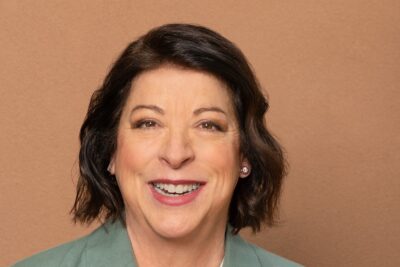
This is the full transcript for Episode #237 of the Wild Business Growth Podcast featuring Beth Fynbo – Baby Toy Tamer, Founder of Busy Baby. You can listen to the interview and learn more here. Please note: this transcript is not 100% accurate.
Beth Fynbo 0:00
It was a lot harder than we anticipated.
Max Branstetter 0:17
Oh, hey, welcome back to the Wild Business Growth Podcast. This is your place to hear from a new entrepreneur every single Wednesday morning who’s turning Wild ideas into Wild growth. I’m your host, Max Branstetter, Founder and Podcast Producer at MaxPodcasting. And you can email me at to save time with your high-quality podcast. This is episode 237 and today’s guest is Beth Fynbo. Beth is the Founder and President of Busy Baby, where she has created the Busy Baby Mat, and several genius products that keep you happy. Keep your kid occupied entertained, while you have a busy baby. And the Busy Baby Mat is the world’s first silicone placemat for babies that has all sorts of different toys that you can tether in and has a variety of purposes including the fact that your baby you won’t throw their toys across the room or across the restaurant. In this episode, we talk the 10 years that Beth spent in the army, all things busy baby and why you should talk to strangers, not just your family about your business. On that note, of course, we talked the family business element of her business, plus her Shark Tank experience and paying it public. Yep.
It is Beth. Enjoyyyy the shooooow!
Aaaaaalrightyyyyy we are here with Beth Fynbo, President and Founder of Busy Baby. So lots of repeated letters there which is always fun. And I like that a lot and I’m just corny and running the interview already. But now Beth, thank you so much for joining. I just love everything from the Busy Baby Mat to your other awesome products and innovation. So excited to talk to you today. How you doing?
Beth Fynbo 2:15
And on the alliteration part. My nickname is Bethie Booper I’ve got busy.
Max Branstetter 2:21
I was gonna guess that No, I was not gonna.
Beth Fynbo 2:23
I’ve got a lot of B’s going on. I like I did get to
Max Branstetter 2:28
perfect. Are you a big fan of Betty Boop growing up? Kinda. Yeah, there we go. Awesome. Cool. All right. Well, we’re gonna talk about bananas and basketballs. No. But no, we will get too busy baby. But before that. So I’m blown away. I know you have your military veteran spent 10 years in the Army. And I was looking at some of the roles you had there. And you know, correct me if I’m wrong here but cryptologic link cryptologic linguist in broadcasts, journalists, broadcast journalists I’ve heard of but cryptologic linguist, what is that? Can you decryptologize that for us?
Beth Fynbo 3:09
Yeah, I’ll put it real simply the first five years, I learned a couple languages. And then they taught me how to do some stuff with military intelligence. And so that’s all I can tell you. I’d have to kill you.
Max Branstetter 3:24
We don’t want yeah, I don’t want this to be my last interview. So. Okay, so we don’t need to get too into the details there. But what would you say? What would you say was like, some tips you have for for learning multiple new languages?
Beth Fynbo 3:39
Oh, gosh, you know, I don’t even know how I did it, because I am not good at it. But I’m just good at learning. So I think that whole process of being in the military and having to learn multiple languages, having to learn a lot of technical things that I had never heard of before of, you know, equipment that intercepts signals. And then, you know, the second five years I did broadcasting, so I was TV and radio, I had to learn how to operate a camera and edit video and audio and be a broadcaster on radio and TV. So just all these things I’ve never done before I got really good at learning. And that’s kind of really what helped me when I started my business because when I had the idea for The Busy Baby Mat, I had never done any of the things that you have to do to start a product based online business. So I learned a lot.
Max Branstetter 4:29
I think learning is one of those skills that literally you can apply to anything. So it’s so it’s really good, especially when you start like different part of your career that’s totally different than what you were doing before. I do happen to think that editing and like production skills, and obviously communication skills overall, come in huge handy in a number of different things that you’re doing. So it’s awesome that you got that experience, you know, not just anywhere but like serving for our country. So that’s just I have chills thinking about it. I have many Questions about cryptologic languages. But, you know, I don’t want us to wrap up this interview early. So I’ll bite my tongue a little bit. But overall, what was it that inspired you to serve in the military in the first place?
Beth Fynbo 5:17
It was spring break in Minnesota, which is just really a nasty time of year most people go to Florida Cancun or the Bahamas, somewhere to get away from here, because it’s just nasty in Minnesota. It’s spring break time. And I was going to school and I’m very, like loan averse. I was living on student loans. I didn’t like it. I was during spring break working while my friends were on these nice vacations because I’d written a bad check for the next semester. And I needed to get money in the bank before the school cashed it. And so I’m kind of like in a depressed mood in my dorm room. It’s nasty outside, I want to get the heck out of Minnesota. I don’t want to pay for college, and a recruiter called me. And he says, How would you like to travel? How would you like money for school? Then I said, Sign me up. And I literally signed up, I think the next couple days. And then after that semester ended, I went off to boot camp,
Max Branstetter 6:13
how long was it until you you knew exactly what your your role would be over there?
Beth Fynbo 6:17
It’s interesting, because I didn’t know when I went up to Minneapolis to do the initial like testing and see what jobs you qualify for and what jobs are available. I think the only things they told me I could do was be a parachute rigger or a heavy wheel mechanic. And I had been there all day, I had taken all these tests, I scored really well on them, too. I was like, really all this work all these high scores. And those are my options. Like I think I just wasted my day here. And they said, Whoa, wait a minute, wait a minute, let us let us look at one more thing. And they came back and they said, well, there’s this other job and military intelligence, you would have to go to school for an extra year in Monterey, California to learn another language. And I said, Yep, I’ll do that. Get me out of here. Get me to California where it’s warmer. I really didn’t know what the job was. But I just knew I didn’t want to pay for school. And I wanted to get out of Minnesota. And that’s how it started.
Max Branstetter 7:13
The cold and, you know, high living expenses, we’ll do that too, I think make you want to move. But how many different locations? Did you live? Over your time in the military?
Beth Fynbo 7:23
10 years, I was in 14 countries.
Max Branstetter 7:27
Oh my god. And obviously, it’s a different mindset that versus like, you know, if just moving for like a sales job or something, but like, like, how mentally do you get yourself to stay used to change like that?
Beth Fynbo 7:37
You know, I think I went through a kind of a bad divorce. My parents got divorced when I was in high school. And I was moving back and forth between mom’s house and dad’s house every couple of weeks, and then every couple of months, and I kind of was never feeling settled anyway. So when I got to go to all these different cool places, and learn all these cool things, and meet new friends, and I didn’t have to pay for any of it, it was it was kind of exciting. The hardest part was actually getting used to being in one place when I got out of the military. Because after 10 years of all that moving, it didn’t feel natural or normal to just live somewhere. And like that’s where I’m going to be.
Max Branstetter 8:21
So let’s move from one place to the next, let’s get to busy baby. So, you know, based on your background, clearly that screams like, I want to start a baby business now. But how did did you ever think at a different time that you would be one starting a business and to starting a business? And I guess in the baby space, if it’s as it’s so eloquently called,
Beth Fynbo 8:43
I knew someday I would start a business. My dad’s a business owner. And he had a welding shop that, you know, we grew up working in his shop, and I liked the freedom and I liked the fact that no one told him what to do. He got to decide how he wanted to work. And, and one thing he told me is, you know, the great thing about working for yourself is when you screw up, it’s your responsibility. You’re the only one who impacted that, you know, when you’re working somewhere else, and someone else screws up, it affects everybody. So you know, I like having control my own fate and taking responsibility for my own successes and failures. As far as pushing myself in this space, never in a million years, and I actually run busy baby with my brother. He also served in the army with me at the same time. And we had a meeting a couple of weeks ago where we were kind of planning out our next year and we’re right in the elevator. And I looked at him and I was like did you ever think in a million years that you and I would be in this hotel planning out our year of marketing for a bunch of baby products that we invented and now sell? Just laugh like no, never in a million years?
Max Branstetter 9:52
It’s so cool. I mean it’s a fun space to be in but also working with family I mean a little teaser we’ll get to that definitely curious and you know Endless Love for fans. went business but busy baby. What was the first like inkling of a spark of anything towards this idea in the first place,
Beth Fynbo 10:07
it was kind of a couple of things back to back, the first thing that happened is after my maternity leave ended with my first I realized that first couple of days going to work this is when I need to start a business, I don’t want to be tied down by this corporate nine to five. And someone else telling me what I’m allowed to take time off, or what hours I have to work and all that kind of stuff. So I thought, I need to come up with something. And then within days, I went out to lunch with some of my girlfriends, they were stay at home moms, they brought their one year old daughters with them. And you know, took me out to lunch to kind of check on my mental health when you take that big shift from being at home everyday with your new baby to now being away from them all day. And the lunch was spent entirely of these two little girls knocking everything to the floor, throwing everything down reaching for everything on the table, to the point where actually joked as like, we should make little T-Rex suits for babies that you can like pin their elbows to their backs that they can’t reach anything. And then when the food comes, you can like release them so they can reach their food. We all kind of had a little laugh and I went on Amazon actually in that moment to find something I could buy for my son. So that he wouldn’t be that big distraction when he was old enough to join us at the table. And there wasn’t anything that would both be a clean surface for his food that he couldn’t throw on the ground, and also somehow keep his toys from ending up on the ground. And literally the next day, on my drive to work, I had the idea for The Busy baby map.
Max Branstetter 11:36
I’m surprised that you didn’t find anything that was like a Jurassic Park-licensed T-Rex suit at first when you had that initial idea. So you did that all really, really quick. I mean, it must have like, you know, felt like you know, running into a brick wall. When you were back at the nine to five like, wow, I need a serious change here. What would you say allows you to get moving so quickly on what the actual baby idea would be. I think I’m
Beth Fynbo 12:00
just a problem solver, kind of by nature. And so once it was in my head that this is a problem that hasn’t been addressed, I immediately started kind of buying stuff off of Amazon silicone mats, suction cups, tether type things and cutting and gluing things together. That actually took six months before I went any further, I just I made a prototype. I didn’t know his prototype then. But I made a little thing that would work for me. And then I also made one for one of my best friends who had a baby at the same time. And it took a little while to get it functional. It was ugly and messy. But it kind of worked. And so after my friend had used hers for a little bit, she sent me a message with a like exclamation points, you need to make this thing for real. I went to the bowling alley last night I forgot it. And it like was such a nightmare. I didn’t realize how useful it was to have that until I didn’t have it. And so that’s what started the clock. And like, huh, how would I make this for real? I have no idea.
Max Branstetter 13:00
So how did you make it for real?
Beth Fynbo 13:03
I started taking some entrepreneurship classes actually with an organization called bunker labs. They are a nonprofit that supports veterans and their families when they want to start a business. So they provide classes kind of residency things, all kinds of support. And at the time, they had a weekly course in Minneapolis that I could drive up to and essentially learn step by step how to start my business. I ended up going to a trade show an industry trade show at the very beginning, just to see if I could see myself in that space. And at the trade show I walked up and down this baby infant baby toddler aisle. And I talked to some of the other businesses that were there. One of the businesses I talked to right away was a mom just like me, she had invented something for babies didn’t know what she was doing. But it just like she solved the problem from an issue she had with her own daughter. And I said will you be my mentor. And she’s like, Oh, I would love to be your mentor. But I am on my second or third product. And I have two little kids at home. I just don’t have time she’s like, but I’ll give you 20 minutes of my time right now if you have any questions. And so I asked her what is the biggest lesson learned? Like, what’s the one thing you would go back and do over and she said, professional product development. She said, unless you have the technical skill and know how to do a CAD drawing design for manufacturing, you’re going to have to pay for that anyway, or you’re going to deal with all kinds of issues she’s like, so I would recommend just doing that from the get go. I was like, Okay, good to know, like, I don’t know how you find a product developer.
Max Branstetter 14:37
Right? They’re just, you know, they just pop up everywhere, right? You just kind of look outside and bam. Right?
Beth Fynbo 14:42
So then I went a little further down and I talked to another baby company, another family owned company. I told them my story and showed them my prototype, I’d kind of bolted up on my person. And they said, Oh, you know what you need? You need a professional product developer. I said, Yeah, that’s what the lady down there said. They’re like we have a great one. Give us your card. We’ll pass your information. along. And so then the next week, these product developers out of Utah contacted me. And by the way, they’re almost like all out of Utah, but they contacted me. And I said, let’s try it. And the way they worked was you kind of develop the project in three phases. And each phase, you pay half upfront and half, like when that phase is complete, and the cost for that first phase to just kick it off and get going and see where we could go with this was almost exactly the same as what my tax return was, like, I got my tax money back. And it was almost the same as like, well, that’s a sign like from the universe that I should, you know, spend this money on this idea, and at least see if it has legs, and I’ll regret not doing it. And I’ll always wonder if I don’t. So that’s how I started.
Max Branstetter 15:46
I think that’s a good way to approach like, if you’re, if you’re weighing a decision is like, if it’s really eating at you if like, man, like I don’t want to live my life and never even you know, try this, like, that’s a pretty good indication do it. Obviously, as long as it’s like something that’s safe, and you know, can be positive. But like, your story about feedback also speaks to me, because, you know, everybody says like, early feedback from family and friends can be so valuable, but also can be like, you don’t quite know what to believe. Because the people that are closest to you are way more likely to support you over the top. But it sounds like what you got from your friend early on was like, I mean, literally, like texting and all caps, like, like, no, like, I’m not kidding, you need to turn this into reality. So that’s like from a different, a different style of feedback there.
Beth Fynbo 16:31
Sure. And it’s true, that your family and friends are going to be extra nice, you are not going to hurt your feelings. And so one of the first things that bunker labs made us do is go interview strangers, they wanted us to interview 100 Strangers I did 10. But the
Max Branstetter 16:49
you got to double digits. So that’s, that’s pretty good. The the
Beth Fynbo 16:52
tip I give people who I mentor is, you know, start by identifying who’s your target market, and then go where they are, and ask 10 people in that place? For me it was the Baby section at Target and moms who had babies with them in a cart. I said, Can I just ask you just two minutes, I’m a mom, I just came up with this idea for a product can I just like show you and see what you think. And I would say almost all of them wanted to buy my junky prototype right there on the spot from me. So for me, that gave me good validation that I might be on to something here because Perfect Strangers are telling me it’s a good idea.
Max Branstetter 17:32
I’m just super corny. So I couldn’t resist but you talked about finding your target market and for us literally target market because it was like I couldn’t resist there. But we, but we’ve got we’ve gotten this far and talked about the product this much and have yet to really even explain what the product is. So for like for somebody who’s not familiar with like the original product, the original baby busy baby mat, what makes it different than like, you know, a traditional baby mat you might find out there. And you know, in other stores.
Beth Fynbo 18:00
There’s two main differentiators. One is that we have suction cups on the bottom that help it stay attached to the tables in the high chairs. The main differentiator is that we have a patented tether system that allows you to connect any of baby’s things there pacifier, their favorite teether, whatever, you can connect the stuff to the mat. So now when they drop or throw things, they they’re right there within arm’s reach. And you’re not having to pick them up off the ground or you’re not getting lost and dirty and gross. It just keeps the baby busy longer. It’s fantastic at home with if mom and dad are doing food prep or washing dishes or trying to eat their own meal that baby has suffered there to keep them entertained and they’re not screaming at you that pick up what they just dropped.
Max Branstetter 18:43
Yeah, and that’s so relatable. I think anybody who’s like ever eaten with a baby has seen or like a toddler at that age has seen how things can just go flying everywhere. Like you look at where they’re sitting after like how was like a little human capable of creating that sort of mess. Yeah, that’s really, I love the the Tethered system, as you called it. And you mentioned it’s patented. I know patents have been a huge part of your business. Can you speak a little bit about what like your your multiple patent journey has been how you’ve been able to pull it off and make those a reality?
Beth Fynbo 19:20
Yeah, that was the hardest money to spend in the early days when I wasn’t selling anything yet and didn’t have proof of concept even. But it’s one of the things I am so grateful that I did. I got mixed guidance at the beginning as a new entrepreneur, I had some patent advisers telling me you know, I don’t even know if that’s patentable will you spend your time and money just being first to market? And then I found out from someone after I had, I think I was already $16,000 into development. A patent attorney said well, what is the patent search show? So what’s the what do you mean what’s a patent search? And he said, You haven’t done a patent search. I said didn’t know, he’s like, How much money have you spent like, a lot. He’s like, Well, you, you want to ideally do a patent search before you spend any money because even though the product is not on the market, it may already be patented. And if you are infringing on someone else’s patent, they can essentially just take everything from you once you get on a market. So my heart like dropped into my stomach, and we did a patent search and found out there were several patents have been filed, and none of them have been written, I was in the clear, fortunately. So then I moved forward actually ended up with a fantastic patent attorney here in Minnesota, who is just the best strategist in the world. And we now hold nine US patents and one in China with several more pending.
Max Branstetter 20:46
Damn. Okay, so you got so you’re into double digits on stranger interviews, as well as patents, you know, both both equally important there. But, you know, besides the like, you know, the need to do research before and like the costs associated with it. What’s something that you think many new entrepreneurs wouldn’t realize that’s true about patents?
Beth Fynbo 21:05
I think, I mean, the biggest shock to me was that you can be an M for infringing on a patent and not even know it. So before, like, literally before you spend a dime, doing anything with your idea, you can, you can do patent searches on Google patent. And you can find maybe some things, some of your keywords or things about like your idea, but it’s really more important to actually pay a professional patent search. I’m not necessarily a patent attorney, but most patent attorneys outsource it. But people who are professionals at doing patent searches, because patents are written in a foreign language. I mean, it’s still English, but it’s legalese that is very specific to, you know, the intellectual property world. And they will find a lot more in their searches than you will. And the benefit, I mean, the cost there’s between four to $800. The benefit is when you take that next step to write your patent or have a patent attorney write your patent, you now have done your due diligence, and you have everything that’s in the prior art, they call it to include in your patent. So your first patent, you have a patent tree, right that you submit it. Typically they come back from the patent office with the rejection, and they’ll say, there’s this prior art that exists that makes it so your patent doesn’t have anything, you know, unique or new, patentable. And then you kind of do these office actions back and forth, where you kind of argue your point and say, No, I am patentable because this isn’t this. When you have a great patent attorney and a thorough patent search, you include all that prior work in your patent application. And they have nothing to argue, because you’ve laid it all out for them. And you’ve already disputed and that saves you 1000s of dollars, because every office action, the going back and forth between your attorney and the patent office is about 1000 bucks. And if you have to go back and forth multiple times, you’re racking up the dollars. So you know, I think I paid five or 600 bucks for my first patent search worth every penny, because we got our first patent written in less than eight months with no office actions, which is insanely good.
Max Branstetter 23:17
I like insanely good. How helpful would you say those patents have been for you overall?
Beth Fynbo 23:22
Insanely good. Like it’s, I like it. So before I aired on Shark Tank, which we haven’t talked about that either. I was expecting knockoffs to start rolling in after the product was on national television. They actually started coming out on Amazon a month before I aired. And so because I had a written patent, I was able to get them taken off of Amazon. And now I think we’ve taken down well over 200 different listings on Amazon that is some form of a knockoff of our products.
Max Branstetter 23:57
Oh, man. Speaking of insanely good Shark Tank, which you naturally segue, so thank you very much, obviously can be massive exposure for for any brands. So you’re one of the fortunate ones to get feature there. And how did your experience compared to what you expected just a base like, you know, Shark tanks that you’ve seen before?
Beth Fynbo 24:18
I would say it was mostly what I expected. In preparation. I watched literally every episode of Shark Tank that existed at the time.
Max Branstetter 24:27
You’ve watched more than the producers have probably
Beth Fynbo 24:31
potentially, I mean, it was mind numbing it was it got hard to keep going but I wanted to be as prepared as I could be to answer every question that I anticipate every question know how they would respond. So by the time I got there, you walk down the hallway it looks just like it does on TV is stop on the rug and there they are and they tell you to go and you do your pitch and then they asked me questions like they don’t know who you are. They know your name and they see your set but I mean it’s it really is Essentially how it looks on TV, there’s some editing that happens and things might get rearranged a little bit in the post production. I was in there for 15 minutes, and it gets cut down to 10. So I think a lot of people don’t realize that happens. So there’s conversations that aren’t included. And but other than that, it was it was what I expected.
Max Branstetter 25:19
Yeah. 52. And I’ve heard stories of people like multiple hours. So like, that’s, that’s good, you know, 50 minutes, pretty short and sweet there. But I mean, you, you were very, very well prepared. And, you know, watch every episode. But yeah, was there any aspect of intimidation when you actually you know, are face to face with the sharks, and you’re just up there, and they’re like, Hey, go,
Beth Fynbo 25:37
I think because of my personality, I wasn’t intimidated. And part of my business journey was I did a ton of business competitions prior to Shark Tank. So I had already been in those like Shark Tank, like pitch scenarios where I had practiced and responded and, and gone through all the motions, and I had won a significant amount of prize money at that time. So I was confident there were some surprising things I didn’t expect. Mark Cuban was one of my sharks, and I didn’t expect him to have any interest whatsoever. And he really didn’t in the product. He didn’t want to be in the baby space. But that guy cheered for me and supported me so much. Like he I felt like I was like, a basketball player on the maps court. He was just like, getting yelled at Lori, I wish that part had made TV, he actually yelled at Laurie, on my behalf. So that was awesome. That was unexpected, and great. And I really just thought they would be more interested. You know, I obviously think my product is genius. And they’d be silly not to want to invest in it. And yeah, I got an offer from Lori and I walked away from it. So I didn’t take a deal. And I walked off the stage. And that’s the last I ever heard from Shark Tank.
Max Branstetter 26:46
You know, that’s something that I don’t know if there’s like a name for it. But it’s got to be like honorable in the community to like, be on Shark Tank and then turn them down. Because it’s you know, somebody people go in there hoping for a deal. You know, it takes really, I don’t even know what it’s if it’s poise or courage or what to actually turn them down. But besides never hearing from them? Well, it was your experience, you know, when they you know, wanted a partner and you and you basically said, no, sorry, I need to, you know, get to the recording from Access podcast right away. So I can’t take this deal.
Beth Fynbo 27:16
Well, let me give you another segue here, Max, as I mentioned earlier, they cut the conversation from 15 minutes to 10. So what America didn’t get to see was my negotiation with Laurie, I was already on my second product being developed, I wanted to expand my product line, I wanted to get into retail stores, and even go international. So that’s why I was there, I wanted a shark to help me get into the big box retail to expand the product line. And she only wanted to license my original product two months ago. That’s all she wanted to do. And the deal was going to be contingent on that. And for me, that was not the direction I wanted to go whatsoever. For me, it was a super easy decision to stand my ground. You actually see in the negotiation, I go up to 15%. And the second I told her 15% In my head, I was like, Please don’t take it, please don’t take it. Because I did not want to do it. But I think with the lights and the camera and negotiate action. Yeah.
Max Branstetter 28:18
If you’re feeling like the lights, camera and action are surrounding you, and you just feel like you got a lot going on and looking for some direction. Go to MaxPodcasting.com/Newsletter Sign up for the Podcasting to the Max newsletter. I’m just kidding. That won’t resolve your worries or fear or anything like that. But it will help you become a better entrepreneur a better podcaster and give you a laugh or two because my jokes I really try to make them good, but they are just awful. So whether you’re laughing with me or at me, let’s laugh together. Let’s entrepreneur and podcast together, you can sign up and MaxPodcasting.com/Newsletter Now let’s dive more into that family business we alluded to and have been alluding to. So let’s segue again thank you very much to see I just like send you these bullet points in advance. So you can be like, Hey, let’s talk about here now. But let’s let’s get to a segment more about how you work and inspiration and creativity what gets you going what gets your company going and you know, we spoke a little bit before but you officially have a family business now. So you work with your brother, you know you had worked with him you had served with him but now you’re entrepreneur ring with him. So that’s I just always love family business, you know, grew up my parents have a family business and I’ve worked there plenty and there’s something really really special about it. But of course you know, with any sort of business relationship, there’s pros and cons of it. You know, since your brother started working with you, what would you say overall has been like the best part about it and then the worst part about it.
Beth Fynbo 29:58
Well, I was trying to get you to say way into expanding the product line. But we’ll get there.
Max Branstetter 30:03
Believe it or not, I will get that into this segment as well.
Beth Fynbo 30:06
Now my brother really is the first step in that. So actually as I was so my season of Shark Tank, we were quarantined. In Vegas, it was 2020. So during the pandemic,
Max Branstetter 30:16
you had the extra special. Yeah, tank experience.
Beth Fynbo 30:20
Yes, extra special. It was eight days quarantine in a Vegas hotel room, not able to open my door for any reason, except room service, like it was view or quarantine. At the time, I loved it, because I had two little kids and I didn’t have to wipe any butts or listen, no screaming and whining. It was like a mom vacation. But while I was there, I got to focus a lot on the business, because there was nothing else to do. So that month that I recorded, I was on the verge of my first six figure month, six figure sales. And I was still doing this by myself, and I was still working a full time job. And so I was feeling overwhelmed. Like, I can’t keep doing all of this, I’m gonna, I’m gonna lose it because this is just so much too little kids full time job, the company is growing now all of a sudden, even before Shark Tank aired. And so I was joking with my brother on the phone. And I said, you know, what you should do is you should sell your house and you and the family should move down to my property live in your camper and help me with this business for a year. So you get the kids to help package up orders. It’ll be great. And yeah, we were joking. And he’s like, Yeah, I’m not against the child labor, they need to learn some work ethic. But then, later that day, I was like, No, that actually makes sense. Because I don’t inherently trust other people and strangers. And I don’t have the budget to hire this like high caliber person, I would need to support the business and help the business grow. But my brother is super smart. And he’s kind of my perfect like, we have the exact opposite skill sets. So we’re I’m really strong. He’s not but where he’s really strong. I’m not. So we’re, you know, a really good pair like that. So long story short, I ended up convincing him to quit his very dependable full time corporate job, full of benefits and stability. And he joined me in busy baby.
Max Branstetter 32:13
So you were like the some people would view as a very, very bad influence. But obviously, it’s turned out great.
Beth Fynbo 32:20
Yeah, it I mean, I was the one who convinced him to join the army, I was the one that convinced him do a lot of things that we’ve done. But you’re very, you’re very convincing. Clearly. Yeah, it’s I mean, at least with him, I must have some sort of hypnosis over my little kid brother. But we thought it was gonna be great. He gave his work significant notice. And then we started up at the beginning of 2021, working together, actually 10 days before we got the notification that we would be airing on Shark Tank. So he was, you know, very new in learning, literally everything and got thrown right into Shark Tank prep. So kind of thrown into the fire. And once we recovered from that experience, and things got back to kind of normal, it was a lot harder than we anticipated. A lot harder. We had, you know, we both function and operate and learn and do everything very different. I’m very solo. In my military career and my corporate career, I was a kind of on my own a lot and pave my own way and didn’t have a huge team supporting me. He on the other hand was opposite he always had really good team strong team environments in his military career. And then he was in you know, a corporate job where there was teams, and support systems above and below and budgets, and you just got told what to do. And then you do it. And you have all these guidelines. And you know, you come to busy baby, you have no guidelines. I joke that I don’t know if we can swear on here, but we’re in the area or explicit. So I said welcome to the fuck and figure it out clubs, because that’s what we do. We talk and figure it
Max Branstetter 33:54
out alliteration and swearing in the same sentence I don’t like I’m ready to just eat, sit back and eat a pie after that.
Beth Fynbo 34:01
Because I don’t know what the hell I’m doing. You know, I haven’t known what the hell I was doing this entire time. But I found resources to help and I’m I said I’m a really good learner. So I’ve, I’ve learned along the way and and every day is something new that we have to fucking figure out. And that’s just the way it is you just have to figure it out. You can’t not do something because you don’t know. And he figures things out different than me. And he excels in a different structure than me. And we got to a point, you know, even just last summer where it’s like, I don’t enjoy working with you anymore. And he didn’t enjoy working with me anymore. And we had our heart to heart and we figured out these differences and we work through them and now it’s perfect now it’s he’s got his lane, I got my lane. I know how to help support him. He knows how to give me my space and let me do my thing. And it’s it’s a great, great situation and we get our kids involved and our spouses involved in it’s it’s a truly amazing family business, but it took a while to get there.
Max Branstetter 34:56
So I totally thought of this on my own but how’d you fucking figure out your product line? That’s a fantastic fucking segue. Yeah, it just came to me. Yeah.
Beth Fynbo 35:07
Um, so it started just, I mean, actually, most of it has been customers or my own kids. The first extension was my teething spoon. And that’s kind of a funny story, it’s based off of my Venus razor handle. So if you’d like are familiar with like shaving handles, you know, my son got a hold of mine when he was one without the blades on it. So just this like firm handle that has silicone texture around it. And it became his favorite tea there because it was like easy to hold. The curve of the handle was perfect. It had like some silicone ribs on it for a better grip. And then the end of it was firm, but still textured, and silicone for his gums. And so I wrote on my phone in my I have like a little note for inventions, future ideas. And so I called it the razor teether and eventually developed it into an actual teether that is compatible with the tether system, and also serves as a like a first time training spoon for babies who are just starting to learn how to eat. So that’s what I had was working on when I film Shark Tank, then we get a lot of customer feedback about wanting a smaller size of the map because the map fits most high chairs, but it doesn’t fit compact highchairs being from Minnesota, we have kind of more space. So we all have bigger highchairs. But people who live in apartments in New York and San Francisco, their highchairs are smaller. So then I came up with an idea for a mini version. And then after Shark Tank, somebody reached out to me with another idea that we developed. And then as my kids started learning how to write we came out with toddler products. And then the one we actually just launched two new products this last weekend. And that’s in response to our negative reviews. Learning from negative reviews is just the best thing ever if you can get past the personal, like feeling of rejection and IQ and all people are stupid because they don’t get it. Because that’s how I felt for the longest time was like You morons just don’t know how suction cups work because the number one review we get that’s negative is this, it doesn’t stick to anything. While suction cups work by creating a vacuum seal, they only stick to smooth clean surfaces. So if their surface is textured, or woodgrain or has crumbs and it’s dirty, it’s not suction cups won’t stick. So we came up with an idea for a bib that you can use the same to other systems. So there’s little holes in the Bib where you can hook up the tethers and then to them you can hook up the toys and teethers and pacifiers. And the other thing customers were for demanding is like what can we use for utensils like my kids starting like they’re past the teething spoon. I want them to start using a spoon and a fork. Which Which would you recommend? What can we go by that will work really well with your teethers or your tethers and so we developed our own that has a little hole in the end that makes them super easy to connect to our tether system and and now we’ve got like the whole feeding system.
Max Branstetter 38:00
Oh, that’s yeah, I love it. I love the innovation there. First of all, I think you are the only mother to like, gladly. Let your kid just play with the razor shaver without the blades. I know I’m kidding. I’m kidding. It’s with its without the blades. But no, that’s I love ideas like that, where it’s like something else is existing and it just like works perfectly in a different in a different lane there. And it’s like hmm, okay, we what if we like design a product like that. So that’s really cool. In terms of your different, you know, objects, utensils that you can tether on? What would you say at the time of this recording is like the most unique one you’ve created. God,
Beth Fynbo 38:40
you know, they’re I mean, they’re all pretty unique. I think the original invention of the map the construction noun and then have the tethers is is the most unique, the bib would be the next because the bed is I don’t know any other silicone bib that exists that you can attach stuff to.
Max Branstetter 38:59
Not to get too attached to the unusual but let’s get to salmon called the unusual so that you know Bravo for that segue there. But we’re sending all sorts of segway records here. But this one’s pet peeves, quirks weird talents here. So first of all, quirks. What’s something a little quirky about your personality, but it’s who you are.
Beth Fynbo 39:18
I don’t know if it’s quirky, it’s just who I am, is I’m just really blunt and honest and straightforward. And I have no patience for anything. I have no ability to sugarcoat something or to give lip service to anything. I just, I can’t not just call it as it is.
Max Branstetter 39:34
Tell me how you really feel. How about weird talents? What is a talent like a pretty minor thing in life that you’re really really good at but has no impact on your business?
Beth Fynbo 39:46
So this is kind of a gross one to some people maybe. But one of my good friends has always told me that it is unbelievable how well I have the ability to squat and pee anywhere. Like I don’t need that. I’ve literally just dropped my drawers and pee and I don’t get it on myself. And she just is in awe because I gotta go, I gotta go. So let’s let me just go behind something here and in squat and so that that’s honestly the only thing that anyone’s complimented me on that’s a talent or a skill.
Max Branstetter 40:18
That’s awesome. You need you need a partnership with a Squatty Potty for that. That’s yeah, I think they’re special. I’m with you. They’re special talent for being able to go anywhere I did. It probably comes in handy with a military background as well. Right, depending on where you
Beth Fynbo 40:32
maybe that’s, maybe that’s where I developed it.
Max Branstetter 40:34
Yeah, exactly. And then how about pet peeves? What’s something? I mean, I won’t let you say anything that deals with like, patients are waiting for this one, because you mentioned about Yeah, patients but other otherwise. Yeah. What’s a pet peeve? Something that grinds your gears?
Beth Fynbo 40:51
My number one? is garbage. A garbage can that is approaching full? needs to be taken out. I don’t want Yes. Squish it down five times. Like my husband. He’s like, Well, you could squish it down more. No, I don’t want to put my hands in there and get nasty shit on my hands to squish it down. Like let’s just take it out and put in a new bag. But it garbage cans anywhere garbage cans at target that are overflowing like doesn’t someone work here whose job it is to keep the store neat and clean. Garbage is a huge pet peeve for me.
Max Branstetter 41:21
That’s awesome. Shout out my dad who I mean, I think a lot of us are on the same page with that. It’s like, you know, when it starts to get full, like take it out. But like, my dad has taken it to a new level where over the years like it’s like, he just wants trash out of the house. So like as soon as there’s like a banana peel or like anything that starts to you know, like, decompose. It’s like get it out of the house as soon as possible. So that’s a great one. And what’s good. All right, let’s wrap up with some rapid fire q&a. Ready for it. Ready? All right, let’s get wild. What is your hands down favorite part about living in Minnesota?
Beth Fynbo 41:57
My family? And four seasons?
Max Branstetter 42:00
Oh, I think I’m at the hotel. You mean like I was like those Minnesota Four Seasons. That’s what it’s known for, the hotel chain.
Beth Fynbo 42:08
I don’t love winter. But winter makes me appreciate the other three seasons so much more.
Max Branstetter 42:13
You got married last year. So technically, this whole interview is a lie. Because we’ve been calling you a different last name than you technically are. Your it’s your business name, your stage name. But I’m I’m just personally curious about this because we just got married. But how much would you say your life has changed since you got married?
Beth Fynbo 42:29
I didn’t think it would change at all, actually, because we’ve been living together for seven years. We have two kids, we own a house and everything. It’s neither one of us was going anywhere. But the thing that changed the two things that change one you’ll appreciate is my name went from Beth Timbo to Beth vinicky. So now I have another Bibi. Perfect, but also, I don’t know, I always had one foot that could go out the door. So like the things about my husband that I would say are my pet peeves about him. Whenever something would happen. I’d be like, Oh, well, at least we’re not married. If this if he continues to be like, I can take the kids and go because we’re not tied together. And when we got married, and that door was closed, there was no foot going out that door. It felt so much more secure and comfortable. And like nope, I signed up for this. You know, anytime he doesn’t take the garbage out. It’s like I knew he wasn’t going to take it out. I married him knowing this. So I just true and move on.
Max Branstetter 43:25
I really screwed the pooch on that one. Yeah. How about your notes list, which I’m a huge fan of notes lists like notes, like ideas, you know, whether it’s like product ideas or blog post ideas, newsletter idea, like all sorts of different things. But the Notes app is like amazing. But what would you say is the most obscure idea whatever you’re comfortable sharing from this notes list you have, well, I’m
Beth Fynbo 43:51
an open book, I’m going to look at it. My favorite one that I do want to make that’s kind of related to my current business is I want to make a reusable silicone placemats for adults, for restaurants, where like you have to put your phone away and there’s like questions and activities on the placemat that will trigger conversation for you and the person you’re with so that you’re not you know, looking at your phones the whole time or you know having a hard time coming up with conversation on that first or second date. I also want to come up with a photo frame for my car visor because I used to try and stick little printout pictures of my kids under my garage door opener thing because I like seeing my kids as a new mom I wanted to see him I was driving Oh What if we just made a little photo frame that clips onto your visor so you can just easily put something up there. Oh, give me like a lot of ideas on this thing. I should have looked at this. Yeah sooner. The best one though and this if somebody’s in the breastfeeding industry this they should run with this one. Is a breastfeeding pillow that is like a you know like a neck pillow for like flights on an airline that has a timer on it in a light like a dim light because as a breastfeeding mom, sometimes I’d be on my phone, sometimes I just want to fall asleep while I’m breastfeeding sitting in the chair. And so I would breastfeed and wake up, maybe it was two hours later, I didn’t even know I’m just still holding the baby and they’re not drinking anymore. So if there was, you know, a 15 minute 20 minute timer that you could just push the button and it would buzz vibrate to wake you up a little bit when and then you have a neck pillow, because I would use an airline neck pillow when I breastfed to just lay my head down and rest so somebody should run with that one. I’m never gonna have the time or energy for that, but that’s a good one.
Max Branstetter 45:35
Well, Beth B/Beth F, whichever rolls off the tongue thank you so much for coming on the podcast and sharing your story and inventions and all the behind the scenes really, really appreciate it and just your your your products are so cool. And your new product ideas are really cool as well. So thanks for coming on. And where’s the best place for people to try out any of the busy baby products if they want and connect with you online?
Beth Fynbo 46:01
Yeah, well, thank you so much for having me. It’s it’s fun to be on a podcast where I can actually cuss? You know, I’m not
Max Branstetter 46:07
Yeah, of course. That’s that’s that’s how I want you over here. Yeah. My pleasure.
Beth Fynbo 46:13
It’s BusyBaby.com. @BusyBabyMat on the socials. We have all kinds of I mean, you go there, you’ll see what it is. And anybody can reach me through our website. I have a customer service gal who if if people are looking for just some mentoring or have a question about the process, I want to pay it forward. Now that I mean, I had so many people helped me before I had a clue what I was doing. And now that I have a little bit of a clue I’d love to help others too.
Max Branstetter 46:41
Awesome. Perfect. And then last thing, stages yours, it could be a quote align, you could just swear more if you want, whatever you want. Final Thoughts send us home here.
Beth Fynbo 46:51
The thing that sticks with me about this journey and remembering it is a quote or I’ll screw it up advisors quoted, but someone once said, you can drive all the way from New York to California in the dark. As long as you have the right tools, headlights, a GPS, you don’t actually have to know exactly what to do or where to go or how to do it if you have the right tools to help you or the right resources. And for me, it’s the same with starting a business. If you don’t know how to start a business, you can do it if you just take the next best step the next instruction from the right resource. And I mean, I turned this business from into a seven figure business in two years. Like just using the resources so use the resources.
Max Branstetter 47:38
Amazing what a powerful GPS-fueled metaphor will do. Beth, thank you so much for coming on the podcast sharing the busy baby story all the B’s, alliteration, metaphor lessons, everything in between. And thank you, Wild Listeners, for tuning in to another episode. If you want to hear more Wild stories like this one, make sure to follow the Wild Business Growth Podcast on your favorite app and tell a friend about the podcast and try out Busy Baby with them or that adult placemat idea. You can also find us on Goodpods where there are really really good podcasts and podcast recommendations and people. And for any help with podcast production, you can learn more at MaxPodcasting.com and sign up for the Podcasting to the Max newsletter at MaxPodcasting.com/Newsletter. Until next time, let your business Run Wild…Bring on the Bongos!!