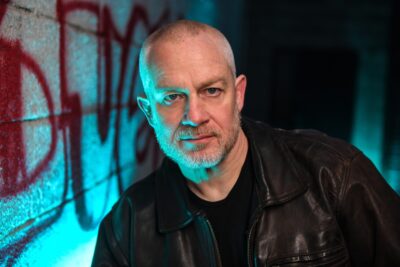
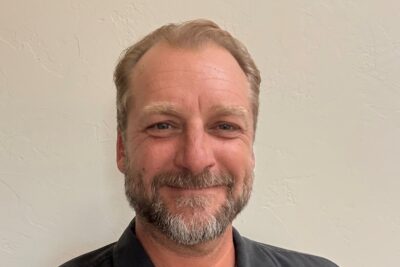
This is the full transcript for Episode #361 of the Wild Business Growth podcast featuring Stephen Koepfer – Stunt Performer, Sambo Coach, John Wick. You can listen to the interview and learn more here. Please note: this transcript is not 100% accurate.
00:00
And I can tell you right now that I was legit 100 % scared.
00:25
We’re back. Welcome back to Wild Business Growth. This is your place to hear from a wild entrepreneur who’s turning wild ideas into wild growth. And I am Max Branstetter of MaxPodcasting. This is episode 361 and today’s guest is Stephen Koepfer, or Steve for short. Sambo Steve is a stunt performer, a filmmaker, a lifelong martial artist. You can see his work in the John Wick series and Ray Donovan.
00:53
and some Walking Dead stuff, and he’s worked with all sorts of cool people. And in this episode, we talk how stunts are actually performed on the big screen and on your favorite streaming devices. How his passion for Samba, a specific style of martial arts has made his businesses and his on-screen dreams come true. And even some art therapy. It is Sambo Steve.
01:21
Enjoy the show.
01:29
Alrighty, we are here with Steve Kepfer. Some call him professionally, Steven Kepfer. Now he’s gonna kick me off of my show. We’ll call you the stunt guy for short. You’ve either seen you on screen or seen your work on screen in some form. And maybe you’ve been beaten up by, no, I’m just kidding. Steve, thank you so much for joining. How you doing today? Hey, great man. I’m so glad to be here. Thanks for having me. Yeah, yeah, of course, of course. Well, thank you for making the time and.
01:58
This connection was created by podcast movement in New York about a month ago at the time of this recording. So shout out podcast movements. I think the best thing about conferences like that is you never know like what random conversation, who you’ll meet or who you’ll turn into. So in our case, we were literally standing at like a cocktail table, just kind of waiting in between keynote sessions or something. Yeah. you reach out your hand, we introduce each other. And I could tell by looking at you, I was like, this guy worked on John Wick two and three.
02:28
Uh, he’s been on a bunch of stuff. He’s been a stunt guy for, Jonathan Banks, one of my favorite guys. Uh, so no, no, I was just blown away by your background. And then I, as I say, friendly stock to you over lunch, checked out your IMDB. And of course, first thing that comes up is a picture of you and, uh, Keanu. So pretty cool. Thanks for saying, Hey, in the first place, I do have to ask how in the world does somebody become a stunt guy? Well, that’s the question, right? Nobody, there’s no direct route.
02:56
for us. Everybody’s got some other way into the business. I mean, I can say for me, there was always since childhood interest in film, in filmmaking and making Super 8 movies when I was a kid. But even as a youth, went to filmmaking summer camp. All my other friends went to regular summer camp and I went to filmmaking camp.
03:21
But I always envisioned myself back then at least a special effects guy or like a behind the scenes guy. Like if you looked at my bedroom library back then, was like all how they made Star Wars, how they made Raiders of the Lost Ark, how they made, you know, American War Oath in London, like all the special effects stuff. That was all me, like building models and blowing them up, you know, or slapping latex all over my face and trying to make prosthetics and…
03:47
So that was sort of my youth, you know, but if you ask my parents, I was always the performer, you know, like I didn’t see myself as the performer. I saw myself as the sort of this, like everything I’ve ever done in life has been some sort of creative pursuit, whether it’s music or art. You know, I went to high school, a magnet school for art. played in bands my whole life and you know, so it’s always been some sort of creative something. But you ask my parents, I’m the one who was dancing around doing shows at the family holidays and you know,
04:15
putting on the Grease soundtrack and doing Grease lightning on a couch for everybody. You know, like that was me. I was definitely a bit of a media whore, you know, so all these years later, here I am in stunts. But to more seriously, to your question, it’s everybody has a skill that gets us in the door. You know, maybe you’re a pro skateboarder, maybe you’re a skydiver, maybe you’re a race car driver, maybe, you know, in my case, you’re a martial artist, maybe, you know, you have something that gets you in the door.
04:44
And someone who helps you get in the door, because it very much is about standing on the shoulders of others and people taking a gamble on you. Because we don’t have managers and agents and acting schools and we don’t have all those things, you know, so it’s really about being able to do what you can say, do what you say you can do and somebody trusting you. And then, so once you get in, you get your first job, then, then the real challenge comes like, you know, the first challenge is getting in the union. That’s hard enough. And then.
05:14
Once you’re in and you get a job, then it’s about continuing to work. So I got in for my early jobs, let’s say, were like for Sambo, my martial art, which was tied into the John Wick franchise. But how many Sambo based movies are there really? then it’s like, okay, well, how do I keep working? So then you start expanding your knowledge and education and learning how to drive, learning how to shoot and edit and learning how to…
05:42
stay calm under fire, literally, like when you’re on fire or learning how to fall properly or you just have to keep learning and hopefully you’ll keep building that network of stunt coordinators who trust you. Hopefully you get to work. It’s a tough, I think it’s even tougher than acting to get into, honestly, because acting there’s obviously for every, let’s say for every production, there’s 50 actors and like maybe, you know, just a handful of stunt people.
06:12
You know, so there’s a lot of demand and not a lot of supply. So. And you’re the one of the crazy guys who’s willing to do that. Uh, basically a thousand ways to die, uh, but keep living of lighting yourself on fire and falling over and, pulling people over and all that. But, uh, you mentioned when you were really little of like creating those scenes with your, which I had to, I had to look up when I was doing research, what would you call it? A super eight camera?
06:41
Yeah, super. I’ve seen the image before. Yeah, it’s kind of like the almost had like the handle on it, a handheld thing. And do you remember, was there a particular scene that you made when you were a kid or like a model that you used when you were a kid that that was just like, whoa, we did this one, me and my friend Mike Sarna, maybe he’ll listen to this one when we post it. I think he’s the first one that listens every week. Of course, he’s an uber fan, but he lives down in Nashville now. He ended up becoming a becoming a airline mechanic.
07:11
But anyway, long story short, he and I used to make movies together. This is my family had a house in Connecticut, like it was my grandparents’ house. And so would go up there for the summers in between school years. And so we would make movies. We made this one World War II movie. I remember we built a model aircraft carrier, probably yo big, like maybe a foot and a half long or something. And it had the tiny little airplanes on it and everything.
07:39
His father was a photographer. mean, his father was an amateur photographer. His father was actually a engineer for the Navy. You know, a lot of Navy folks lived over there near Groton, Connecticut, where we were. So he actually worked on the Trident subs and stuff like that. But point being, he was an amateur photographer and he had flash powder there. Like, so the old school, remember like before you had flash bulbs, they would have a little thing you put powder and it would go poof, you know, it’s like whatever. So we made, we rigged up this effect.
08:07
where we took one of the little mini airplanes from the aircraft carrier, glued a hook onto it and put some fishing line, like from up here down to this big boulder that was in our backyard. And on the boulder we had where we fastened the pick point for the other end of the fishing line. We made a pile of flash powder. And then on the little airplane, we put a bunch of testers model glue, which as you know, was flammable. Maybe you know is very flammable.
08:36
And we, so we set this thing on fire and slid it down the wire and it landed, it landed in the, um, in the flash powder and boom exploded. Now, of course we’re kids. We don’t test anything. We just do it. Right. So I’m like right up close with the camera and the thing blows up in my face. You know, was like, was, it was an amazing shot, all for the shot. Everything goes for the shot. Right. So.
09:00
I remember looking at it like the explosion was so fast and massive. was like only three frames, three or four frames on the film. I didn’t get burned thankfully, but that was fun. And then we cut to like me in like, we would go to like the local thrift store and buy like as close as army Navy store, buy like uniforms and stuff. We put me in like a pilot’s uniform and just smeared like charcoal.
09:26
you know, like charcoal, Kensington charcoal all over my face and just made me look like I just was in an explosion. So we cut from that explosion to me laying on the ground, like getting up and like, and we, you know, there’s no VFX filters. So we would buy like smoke bombs and off camera just have smoke bombs shooting smoke off, you know, into the frame. So I would look like I’m coming out of smoke and, and then we would, of course, part of that film was the loading up the model. Cause my house was on a lake, right? So we would
09:55
build this model aircraft carrier, load it up with M80s and float it out into the thing, the lake and just blow it up. Boom! You know, it was like, yeah, we’d have so much fun doing stuff like that, dude. How old were you approximately when this was going on? Oh gosh, like nine or 10 maybe. Wow. Something like that. That’s like young and dumb. they had like a child…
10:21
Oscars or child Emmys for just kids and that kids imagination of uh, yeah Or maybe it would be the Nick you’d be getting slimed on Nickelodeon So all that stuff, but it’s funny I ended up in stunts because stunts people think is a daredevil type life, but it’s actually completely the opposite There’s a ton of planning and risk mitigation that takes place. But for sure my life was bullet-pointed by
10:47
stupid things that should have killed me or really maimed me or hurt me along the way, you know?
10:55
Yeah. So I mean, that’s a huge area I’ve been wondering about. It’s like, as a stunt guy or someone in the stunt world, you’re doing so much. There’s so much like technical expertise behind it and tactics behind it. And we’ll get into a little bit. Obviously you have like your incredible martial arts background as well. But a lot of this stuff, it feels like so much. It’s like the vast majority of the iceberg is under the surface. And then the tiny tip is, you know, what
11:24
This was just not sound right. It makes its way onto, you know, screen and people actually see. For starters, for somebody like me who, childhood film creations were only slightly less creative than what you just said. Can you just share like, what are kind of the big players in a typical stunt in a movie, for example, like what are the main people involved in creating this and then actually making it happen?
11:52
Well, honestly, every single crew member is, you know, so there’s no, there’s no one. I mean, obviously there’s the stunt coordinator, right? Who is in charge of the coordination of the basically stunt coordinators, the department head. Sometimes if it’s a big production, you’re much more that administrative person than a boots on the ground person. Although you might, you know, it very much depends on the size of the film. Like I’ve never, I now don’t even know if I want to stunt coordinate a big Hollywood.
12:22
You know, like the Fall Guy or something like that, you know? Yeah. I had the reps from the Fall Guy waiting to talk to you after this interview. Oh, there you just terrible timing of yours, but go on. Oh, man. Bummer. So the yeah, I like I like I personally I like I’ve stunt coordinated some features, but they’ve all been independent films where it’s not entirely an action movie, but there’s action sequences in the movie. So you’re really working with the.
12:48
the director and the re you know, the director to tell the story they want to tell. So in the end, it’s really the director. Everything comes back to the director. But in terms of the accomplishment of a particular gag is what we call the stunts. A particular gag is let’s say this horror movie that I just worked on where we had to it involved mainly rigging and where we had to levitate someone, you know, the main actor off the ground for about, you know, eight to 10 feet or something like that. They’re on wires.
13:17
And then there’s a prosthetic monster’s arm, like think of an octopus tentacle coming up and wrapping around him and he’s stabbing at it. And then the arm drops him and then he gets dragged away by the, tentacle from this creature. You know, so that scene alone, it took place in a hedge maze. Like think of the Shining. That scene alone, you have to, you’re starting with how it was written, right? So that’s, that’s where everything starts. How it was written.
13:46
What does the director want to show? How does he plan on shooting it with the direct photography? Because just how something is written doesn’t mean you’ll see it on screen, right? It might say, a man gets killed by a monster, but that could happen off screen. So part of it is in the early prep phases is in your pre-production meetings, talking with the director and the cinematographer like, okay, so how do you plan on shooting this? What do you want seen? What do you not want seen? That will dictate lots of
14:16
safety concerns, you know, or how we’re going to address different actions that we want done. So once you kind of have that all laid out, then like, for example, on the day, I have to bring in riggers, you know, to riggers to do the wire to assist me with the wire stuff. We have to work with a crane and then that involves the, the key grip or the crane operator, like, and then we have, of course, training the actors.
14:43
We have the medic involved. have, yeah, there’s just, it’s every bit of crew, the special effects makeup people are involved. So it’s no, no one thing happens on a film set independently of every other department. So it truly is a collaborative process. And so sort of for each aspect, you’ll have people who are focusing on a little more or a little less of part of that action that that’s going to be put on in front of the camera, but it really is. Everybody is contributing. Everybody has to buy into this.
15:11
Everybody has to be on the same page. What story we’re telling, how we’re going to tell it and bringing this to life. So it really is about a team. It’s a team effort. Who decides that whether the actual, you know, like a list actor is going to do the stunts themselves versus have a stunt double for a particular scene? We do as a team. I mean, I’ll make my suggestions. So for example, let’s say in this case, right?
15:41
they had only specific cranes available, right? So then you have to do a research, you have to do your math. You know, this is where the math comes in. So everybody in school, don’t cheat on your math. You have to do your math like, okay, what’s the load limit? What’s the maximum breaking point of this crane? How much weight can it handle? You know, you’re always at least estimating, at least if you’re doing a dynamic movement of a person on wires, you’re at least estimating like,
16:09
The load would be three times like maybe what the person weighs, right? So let’s say you have, let’s say you have two people off frame pulling the wire and then you have 180 pound actor on the wire. So now you’re talking like three adult males, just static of, you know, you’re talking like maybe 600 pounds, but then multiply that by three because you’re going to be moving it in a dynamic, moving the person dynamic way. So you have to go into looking to what is the load limit of the crane.
16:39
What is the maximum breaking point of the gear that you’re using? You know, all these things. So once you figure out what you can do based on the equipment you have, and then this is where the discussion to your question comes in. Well, listen, if you want to fly the guy, we’re not going to do it with the actor. You’re going to have to bring in a double. If you want to fly the guy 20 feet over a hedge and land over here, you know, that’s, that’s a stunt double. If you just want to levitate him.
17:08
we can do that with the actor. know, so a lot of it becomes this dance of budget. You know, what can you afford? Like we can pretty much always do what you want if you have the budget, but almost always, especially in independent films, it’s like, well, we don’t have the budget. Okay. So if you don’t have the budget to hire three stunt doubles, then we’re going to have to change the actions to make it safe for the actors. So it’s, it’s always a negotiation. Like how much money you have.
17:38
and how you want to tell the story and do you actually need that thing to tell the story that you want to tell? Like, do we need to fly him to tell the same story? Like, you shouldn’t be doing cool for the sake of cool because doing cool and risky for the sake of cool just makes things more risky. So it’s really about doing exactly what you need to tell the story you want to tell in the safest way possible. Yeah, because I feel like over time you get some actors like notably like
18:08
Tom Cruise, Jackie Chan, like guys that are known for like doing a lot of their own stunts that some of the movies come out and you’re like, I swear they, they had this idea for this outlandish crazy stunt and they wanted to make a movie like just to make that happen. are movies like WIC, you know, that are action porn. That’s the whole point, you know, and then like, and then Tom Cruise has the money and the budget to spend a year training for something, you know, so, and
18:35
You know, there are stunt doubles that test everything before he ever does anything. You know what I mean? So it’s like, uh, but it’s his money, it’s his production and he’s got the time to do it. But your average, you know, modified low budget film with maybe a $700,000 or a million dollar budget doesn’t have a year for you to, to train somebody and skydiving or, know, like whatever, uh, you’re lucky if you get a decent amount of rehearsal. So a lot of it.
19:03
Is also like one of the frustrating things for me is when I get hit up by a director, sometimes I’m hit up after they’ve already cast the movie. And then you ask them, well, okay. So this, this actor has is playing a character that has to do X, Y, Did you audition them for their physical ability? Oh, well, they said they could do X, Y, Z. I’m like, oh, but did you actually ask them to do it? Because the actors are notoriously liars. They’re notoriously, they notoriously lie.
19:31
You know, they took a workshop in something and they’ll put it on their resume as a skill. Like, no, that’s not a skill. That is just a workshop that you took. Maybe they’re just really good at acting. Yeah, maybe that’s a great. You did a great job acting that crack skull on the concrete because you said, you know how to do a, you know, a 540 twist in the air and land properly. But the point is, is if you’re going to.
19:55
Wadish, if you’re gonna cast an actor and you want them, you know in the beginning you want them to do their own stuff, you should be keeping that factor in mind when you cast people, which doesn’t always happen. Speaking of things not always happening, so John Wick is something that I think when it first came out people were probably excited about it and then as sequels and sequels came out it just feels like something that’s just grown and grown and there’s kind of more more lore to it and I think that
20:22
Your use of action porn was the first time action porn has been used on a phrase on this podcast. So we’ll give you some sort of award for that. There we go. But you don’t want to visualize what the the trophy will look like. But I think there’s something about that movie franchise that just is so fun and so well liked. Can you share maybe a story from the set or just something from your time there? if like what makes that franchise a little bit different or a little bit more fun? Well, I mean, I think
20:52
The first John Wick, which is still my favorite, was a game changer in terms of the action genre. You know, you have these movies throughout the timeline of action films that are sort of game changers, like, you know, like The Matrix was, and then John Wick was for a certain practical kind of fight sequence. You had like movies like Ang Bak was sort of one, or, you know, there’s all different ones like that will affect.
21:21
The Collateral was one, know, Collateral with Tom Cruise, speaking of Tom Cruise, was one in terms of like proper tactical gun work. Like that was one of the first really good tactically sound, realistic looking movies that showed gun work. What was, I think what was unique about WIC when I saw it too for the first time, because I didn’t work on the first one, although nobody knew the first one was, you know, it was just an indie film.
21:47
It wasn’t like a big studio thing. like when it came out, nobody was expecting that. I knew about it because they had come 87 11 guys, the, know, they’re the guys that, know, Chad Stalski and David Leach who direct co-directed it. And then, uh, the action team from 87 11 there, when they came to New York to shoot it, they actually stopped by my gym looking for Russian bad guys, you know, looking for people to cast. Hey, do you have anybody that might be a good Russian bad guy? So I knew it was.
22:15
in production, like who knew? Like I sent my friend Vlad Kulikov to casting. actually got cast. He was in the first one. He’s the guy that gets sniped by Willem Dafoe when he’s putting the plastic bag over Wick’s head in the abandoned church there, I think. By the way, that’s an incredible line to put on your resume of like successfully looked for Russian bad guys. That’s it, man. So I felt good. mean, and again, I wasn’t even in the union yet.
22:43
You know what I mean? It was just like, oh, I have some Russian friends. I’ll send them over to audition. But Vlad got picked, which was cool. So, but to your point, like there was really what was cool about the fight choreography from a fan perspective, someone who comes from a, you know, someone who teaches grappling arts and judo and Sambo and has been involved in the fight scene for a long time. To see that movie, they struck the perfect balance between practical
23:12
and fantastical, know, like so practical moves that were strung together in a fantastical way. You know what I mean? So like there was not a move in there that individually was not legit. But when you put them all together, like no fight ever happens like that. No fight ever, you know, goes down like Wick would be dead a hundred thousand times by now. You know what I mean? But if you look at each piece, like people like me were like, oh my God, that’s this throw and that’s that throw and that’s this submission and that’s.
23:42
Like you could really feel it because, then the other, the other thing that they did differently and that’s coming sort of a reaction, I guess, to the Jason Bourne era of fast cuts, shaky camera, like all this kind of stuff is the 8711 guys went back to showing wide angle where you can see the whole action without cuts, no cutting. So that’s why you had Keanu training for like six months beforehand and Halle Berry training for like six months beforehand because.
24:12
If you want to work on a wick series, you’re going to have to actually be able to do it. You don’t have to do your own quote unquote stunts. Like Halle Berry’s not getting hit by a car, but Halle Berry is definitely doing her own fighting. Like Keanu actually has said in an interview in the past, like I do my own action. I don’t do my own stunts. Like that’s not me falling off the roof. Bing, bing, bing, bing, bing, you know, that’s Jackson Speedell or, you know, one of his other stunt doubles when it comes to the fighting and the driving. Cause he does a vast lion’s share of his own.
24:42
driving, that’s Keanu. But he’s also very specific to say he doesn’t do stunts. He just does really good action. The other one that jumped out to me that you’ve done is a stunt double is really, really cool. Working with Jonathan Banks. like, I’m a huge, like everyone, I’m a huge Breaking Bad fan, a huge Better Call Saul fan. also somewhere along the way, I went to IU, we’re a big IU family and we found out Jonathan Banks, the IU guy as well. it’s like extra love. But I still think Mike Urban Trial is one of the best characters ever.
25:11
Love his character. Yeah. What stuck out to you about working with him? First of all, like you, I was a big fan already. And so when I got cast to double him in The Beast in Me on Netflix, it’s not a stunt action, not a stunt heavy show, by the way, but it had a few a few things I worked on, like two episodes. But I was super excited to work with him.
25:35
But you do this, you work in this business long enough. Like you definitely learn that you have your fanboy side and then you have your professional working side. And most of the time, like 99.9 % of the time, once you work with somebody, you just realize they’re working stiff like you. They’re there to do a job. You know, they’re human. They make mistakes. They have their quirks and X, Y, Z. like it’s rare that I get too fanboyish. Like I remember the, my very first
26:04
just as a bit of a detour, but to this point, my very first union stunt job was on the blacklist and I got to work with Brent Spiner, right? So I’m a huge Star Trek fan. So I was like, Oh my God, I get to work with data. You know what I mean? And I was like one of his thugs. Like he was the bad guy of the week and I was one of his mercenaries. But again, he just turned out to be the most down to earth, like dude, like no ego, just another guy on set trying to get a job done. After a while, you just realize like,
26:33
that most of the time you’ll hear, not always, but I’ve almost never had a bad experience with somebody with an actor that I was doubling, like maybe once, meaning once they were like an asshole, but most of the time they’re not. Sometimes they’re not social, which is fine, like, I’m at work, I’m not here to pal around with you. And so I think a lot of the reps that you hear about, so and so, this actor’s difficult, or I think a lot of those reps come from people who just wanted more.
27:01
than what’s professionally acceptable at a job. So it’s like, I heard that about Lee of Shriver. I heard like before, cause I doubled Eddie Morrison on Ray Donovan, right? So I heard like, oh, Lee of Shriver’s whatever. I heard some bad stuff about him. And then when I got to work with him, it was like totally the opposite. It was like not like that at all. He was totally fine and cool. And I loved working with him. But again, he wasn’t like,
27:28
You know, in between takes, like talking with you and you know, he was just doing his job, you know, and said, that’s it. And, that’s, so I think a lot of those negative reps come from people just wanting more than they’re obliged to, to get. But to your question about Jonathan Banks, he was great. And just a little cool thing that I don’t know if I’ve mentioned this on any shows before, but one of my mentors, doc, do HAME, stunt coordinator, veteran stunt coordinator and stunt performer was Jonathan Banks is long time.
27:58
stunt double on Breaking Bad and Better Call Saul and, you know, for a lot of things. And I got to know Doc because he was the stunt coordinator on Ray Donovan and we’ve just stayed friends. When I got the job, I texted him, Hey, I stole your job, man. I’m doubling Jonathan Banks, man. He was like, Oh, tell him I said hi. So that was kind of cool. Cause we had a little, I had a little olive branch or a little something to, when I met him to say, Hey, I’m, you know, Doc is one of my mentors and it’s so cool that I’m getting to work with you. And that kind of made.
28:28
it a little nicer too on set. It broke the ice a little. Yeah. I was just about to say you had your icebreaker. Yeah, exactly. Because you know, TV, like it’s not like a movie. Like sometimes a lot of the times on television, you’re coming in for an episode and you’re gone. You’re not working like the whole length of the production. Like I did on Ray Donovan because I worked, I was his double and there’s a lot of fight scenes and I worked for the whole season, you know, so I got to spend more time with Eddie. But
28:57
With Jonathan, it was literally like two days, but he was super cool, super chill, enjoyable to work with, you still at his, let’s just say, advanced experiential level of life, still ready to go and rough and tumble himself if he can, you know what I mean? And like at one point he came over because we were doing what’s called camera rehearsal. So camera rehearsals where you’re up the shot, but
29:24
It’s just for the camera department, for everybody to make sure everything is lined up. You you get your blocking right, you get everything right. So I’m doing the fall. There’s, there was a tight shot on him before he has a stroke and he falls and he’s in this wine cellar in this scene and he falls into a bunch of wine bottles and stuff. So, but when you’re doing a tight shot or mid shot, like out of frame is a big pad, you know, so you can fall into the pad. So he comes over and this is super nice of him actually, really nice of him. This goes to show what a pro he is.
29:53
He comes over to me, he goes, you get paid anyway, right? If you’re, and I’m like, yep. He goes, okay, let me do it. He goes, get out of here. Let me do it. Cause we only get paid residuals. This is something people don’t know, but we only get paid residuals if we’re on camera. If we do everything rehearsed, we go through, we do everything off camera. Let’s say supporting the stunt performer or only doing the blocking rehearsals or only doing.
30:21
like something where helping train the main actor, because a lot of our jobs as a double is to help train the main actor that we’re doubling. But if we’re not in the final cut of the episode, we don’t get residuals. Wow. So the fact that he actually took time to see if I was going to be getting paid was awesome. Yeah. And then once he found out, like, yeah, you’re going to be getting paid because I’m going to be on camera. But he’s like, all right, let me do this. I can do this.
30:49
So it was awesome. was great. And I enjoyed chatting with him and hanging out with him for a couple of days. It was really cool. Yeah, that’s super thoughtful. think between him and Schreiber, I would imagine it just makes your voice drop down a couple more octaves because those guys have the strongest, lowest voices I’ve ever heard. Dude, the scene in Ray Donovan where I was also doubling, I also doubled Zach Grenier, who played the mayor, the New York City mayor in Ray Donovan. I doubled both of them on that season, right?
31:19
There’s a scene where Ray Donovan punches the mayor in the throat. They’re in this like, like a spa. Ray Donovan is trying to threaten the mayor and you know, like whatever this whole storyline where he’s, he’s the fixer, you know, he’s trying to fix things. So he, there’s a scene where he punches the mayor in the throat and then the mayor falls down towards camera. It’s a low angle looking up and it’s over. It’s like from behind the mayor up to Ray Donovan looking up at him from sort of the floor, a low angle from the floor.
31:48
So if you watch that, was me. And I can tell you right now that I was legit 100 % scared. I was like, this guy will rip my head off. The energy that Liev Schreiber projected as Ray Donovan in that moment was truly frightening. I didn’t have to act scared. was legit, the nerves were really legit tingling. That’s the best. He’s the real deal. He was really great at it.
32:18
Speaking of the real deal, mean, the through line that made these opportunities on screen possible for you in the first place is your knowledge and expertise in terms of I just created a word in terms of martial arts. And I think, I mean, I’m someone who I guess just call me a layman when it comes to martial arts. Like I know kind of the names of some of the top ones, but Sambo I actually wasn’t familiar with until we met and I looked more into it. so
32:47
Right for anybody, know, it’s probably just me who doesn’t know but for anybody for anybody who’s not familiar like that type of martial arts or whatever you want to call it What makes Samba different not to belabor the John wick point but they knew from John wick one that wick was gonna be a Samba guy so and they really did a great job of presenting the flavor of Samba I always tell people now like before I used to say when people would say like oh what’s Samba? I’d be like, well, it’s like judo, but you can also do some wrestling stuff
33:17
but you can also punch and kick and you can also do these other things. It’s like a mix of that kind of stuff. But for the lay person, it’s a grappling based style, very much like judo. And we train in a, in a jacket, very much like judo, but it originated in the Soviet Union in the early 20th century. It was formalized as a sport in the Soviet Union in 1938, been around a while and the roots of it do extend to judo.
33:42
and Japanese jujitsu and other indigenous wrestling styles from the Soviet republics, like Georgian wrestling and different wrestling styles from that world. Like every culture has its wrestling style, just like Japan has sumo and Korea has shirom. I don’t know if you’ve ever seen shirom, but it’s like sort of like, it looks like Korean sumo. And then Uzbekistan has a style called koresh. China has shuaijiao, you know, but every culture has a…
34:11
By the way, you could totally be making up all these names and I’d be like, 100 % fake. Don’t fact check this. This guy’s not even a stunt guy. Every culture has a style where a sport where it’s one guy’s trying to throw the other guy to the ground. You know, I mean, that is across cultures. And Switzerland has one called Schwingen where they actually wrestle in sawdust pits. There’s catch wrestling, which was the original sort of Olympic wrestling before they took out submissions.
34:39
So, I mean, you go, right, wrestling was all the way back to the original Olympics. mean, so as long as humans have been around, wrestling has been around. And so, and Sambo is basically a wrestling style that was created in the former Soviet Union. Still exists. Now it’s a big international sport and all that kind of stuff. Why’d you zero in on that as, mean, it’s now a huge part of career compared to other alternatives. Like a lot of stuff in my life. I walked through a door that opened to me.
35:08
And honestly, this kind of goes back to your, topic, you know, uh, we haven’t talked business yet, but I will say this is a business podcast. is the problem with sometimes all of guests on and an area that’s so foreign yet so far fascinating to me that I have so many questions about their craft that I forget to dive into their entrepreneurship part, which is kind of funny for an entrepreneurship podcast, but go on. Yeah. Right. But this ties into the entrepreneurship part, which is everybody. We all have, uh, these doors that open to us in life and.
35:38
We can choose to walk through them or not. And oftentimes walking through them is really risky because you’re probably stepping out of a safe space or a comfortable place or whatever, but you’re never going to succeed if you don’t do that. know, so Sambo for me legit was just timing. I was not happy where I was training at the time. This is like in the late nineties, somebody said, Oh, there’s this Russian guy teaching Sambo over, over here. I was like, Oh, let me go check it out. And I was sold.
36:07
I wasn’t sold on Sambo. was sold on him, my coach, you know, it was the way he taught the way he did everything. Like if he was a judo guy, I’d probably be judo Steve right now, not Sambo Steve, you know what mean? But he was a Sambo guy. then, so then after training with him, I really learned to love Sambo because of him. But then years later, after I took over the gym, he went back home to Russia. I took over the gym for him. And at that time it was, I was still working.
36:34
full time at Maimonides Medical Center. I was a child life specialist and art therapist in pediatric ICU and oncology and ER sometimes. But I worked there. so when Alex went back to Russia, I was running the gym at night just as a sort of, you know, I had my day job and then I had the gym at night. By 2005, the gym
36:59
or I should say not the gym because it wasn’t my gym yet, but I was renting space from somebody else. I was teaching, you know, five days a week. It was as big as it was going to get under that sort of parameter of a part-time side gig. And at the same time, after 10 years of working in oncology, was pretty, I was kind of burnt out. So, you know how they say like, if you know you’re getting, if you’re aware of your burnout, you’ve been burnt out for a while. So I had to make a decision.
37:28
Which do I want to do? Like the martial art career, their martial art business is not going to grow any more than where it’s at now if I don’t give up this other thing. So I took the leap, man. I took the leap of faith. came into, sadly, you know, like, and I’ll say this regarding entrepreneurship. Sadly, I think in this country, you have to start with capital. You know, it’s not like the American dream anymore. Like, it’s not the 1950s. Like you have to have some money in the bank.
37:56
And so unfortunately I had my father and another relative of mine had passed in 2004. So I inherited some cash, not enough to like quit my jobs, but enough to float me for a little bit. So I just decided to quit the medical center and try to make a go at this martial arts thing and start my own gym. And so when, when I did the business plan, I was like, okay, well I
38:25
I have about, I could float for about three years on this money. So if I’m not breaking even after a year, I’m going to shut it down. But after a year I was breaking even and then little by little, here we are 24 years later, you know, still doing it and still building other businesses that all kind of like a tree. If you, if you’re successful with one thing and then you expand, like you don’t want to sit, you don’t want to sit on your laurels. You know, you have to keep growing, you know, so sent then the stunt business kind of
38:54
comes into the studio, you know, then we started Breakfall Studios, right? What is it? 11 years ago, you know, and then out of that came the podcast, another business, but they all sort of support each other’s growth. It’s an iterative process, at least for me with business is it’s this constant like reassessment. Where can we go? Try it, fail or succeed, reassess again. Where can we go? What can we do?
39:21
How can we support the existing business with a new business and keep growing? now, you know, now like my partner and I, Paul, we own a small production company that not only runs the podcast, but we do, you know, we’ve done stunt coordination jobs on other productions. We’ve done productions for, you know, Adobe Creative Cloud and for Paramount Pictures and things like that. And then it all kind of dovetails together, right? Oh, you need a space to rehearse with your actors? I happen to own a place. So it’s really all about
39:51
Making sure everything is supportive of everything else that you’re doing, but the same time in a way that where if one fails, they don’t all fail. Like they can all function independently, but they also all support each other. Yeah, that’s a great philosophy. And I like your, metaphor of the tree, cause you can really visualize it with the different branches, but it all goes back to that strong base and the strong roots beneath everything. And so it’s beautiful that you turn, you know, really sad moments with
40:20
you know, your family and family members passing away and were able to take some of that and fuse it into something that’s helped out so many people and inspires so many people online now these days too, you know. So you’re doing the offline and the online for good, which is pretty great. But you have to, you have to, whatever, I don’t care what kind of business you do. Like in our case, it’s a training facility and a production company, but we’re all sort of living in the same environment.
40:49
But you have to have a community that people want to be a part of. So take our gym. So the first thing, if you walk right into the door of our studio, the first thing you’re going to see is food stores, like literally stacks of food containers. And people will be like, what’s that for? I’m like, that is for our students who experience food insecurity. That’s for our students who lose their snap. That’s for our students who lose a job, who get laid off. So we have a food drive in-house.
41:19
And by the way, over the counter medicine drive to in-house. So if you lose your health insurance, you lose this. have, we have supplies of cough medicine, you know, like basic stuff, first aid supplies and food. also have an online food drive for feeding America, by the way, which anybody can donate to it’s linked in all our stuff. But, um, the idea is that you have to. I take the, the act locally and think globally moniker very seriously. So like we want.
41:49
the community in our space to be the way that we would want the world to be. And that means having a diverse group that trains there and works out there. It’s a safe space for LGBTQ people. It’s a safe space for trans people. We embrace that because that’s the way we want the world to be. And if you walk into our gym and that’s something that you’re not comfortable with, the door’s that way.
42:17
But I truly believe in the end, the success of the, could have the greatest business model, but if you’re not aligning with the right people and with the right mentality and with the right desire and intent of what you want to bring to this world, then it will be, eventually it will fail. Eventually it will fail. Well, without fail, let’s wrap up with some rapid fire Q and a. You ready for it? boy. Here we go. Yeah. All right. Putting you on the real, putting you on the, what’s putting me in the hot seat.
42:47
Is there a name for the, the mat or the surface in Sambo? Here’s the thing we do. A lot of grappling schools do this. It’s called shark tank. So it’s where you’re in the middle and you’re grappling people one after the other, one after the other, or lose. You’re just going next person, next person, next person, whatever they can throw at you, you have to deal with. So this is very much like verbal shark tank here. Perfect. You worked in an entrepreneurship tie without even trying that. That was beautiful though. So, Oh, I didn’t even catch that.
43:13
Yeah, let’s get wild. Let’s let’s swim with the Samba sharks here and Samba Steve. So you mentioned art therapy, which is like a whole other separate like we could do a whole episode on that. I think it’s fascinating. But what is a just personally is a style of art or an era of art that you think is the most therapeutic to be doing? Oh, my gosh. Well, I think that the most therapeutic creative pursuits
43:42
whether it’s art or music or theater or whatever. But if you want to just talk about visual art, I think the most creative aspect of it is the process of making it. So I could care less what it looks like in the end. It is irrelevant. That’s the art side. When you’re doing it for yourself, for your own personal reasons and therapeutic reasons, it’s about the doing of it. Doesn’t matter what it looks like. Doesn’t matter for anybody ever sees it.
44:12
It’s irrelevant. It is the act of creating that is therapeutic to me. That’s beautiful. And it actually flows right into the next question or the next shark tank. mean, creating music is a form of art. You mentioned it, you play music all your life, especially growing up in bands and stuff like that. Let’s say you are playing the piano and you are the biggest name in the world in music.
44:42
Piano is what I play by the way. I don’t know if you knew that, that is my instrument. So that’s from my research. We’ll pretend that I didn’t know that. But thank you. Um, let’s say you’re playing the key tar now and, am an eighties kid. You’re playing like a Woodstock original Woodstock size concert or live eight concert, you know, where it’s like seemingly millions of people on and on. If you’re the headliner, who would you want to be, you know, direct support or the, the opener?
45:12
Right before you. Oh man. Okay. Let me think. Richard Ashcroft. For those who don’t know from the verve, I would have him doing a solo acoustic set as my opener. Wow. I’m key tar. Yeah. Can’t have an acoustic keytar, man. We can invent it. We can invent it. What’s a coach in any sport that you would say you most
45:40
resemble in terms of your coaching style when it comes to martial arts? Interesting. I’m not sure who I most resemble, but aside from my coach, I’ll name two coaches that I did some training with that I really embraced their approach to how I do things. And one is Matt Lindland. Some people might know him from his MMA career, but he’s a Olympic level wrestler. He is the Olympic Greco-Roman coach.
46:07
now for the United States, I was able to spend some time at training camps with him. And he absolutely, you know, like we were talking about how WIC or these movies or these points in time that change, like training with him changed how I do certain things regarding coaching my athletes, approaches to technical instruction. The second would be Greg Jackson, who’s also a very known MMA coach. And I took a
46:36
workshop with him that really changed how I scout opponents. When I was training fighters, how I would scout opponents and build strategy to defeat them. Kind of business related too, but basically the nutshell of it is like you’re scout, you’re going to fight someone. You’re, my guy’s going to fight some guy and you have two options. know, first thing I would do is I would watch every fight that that person had from beginning to end in order that I could get.
47:05
from their amateur days all the way up to their most recent. And I would literally sit with a notepad, round one, fight one. How many times did he try a takedown? How many times did he do this? How many times? And then I watch for trends through his whole career, which things he keeps, which things he disregards, discards that. And then you look for patterns in this person’s performances.
47:31
Right. that those patterns are going to show you what they think their strong suits are. The other thing you look for is where do they go when they’re not doing well? What do they do when they’re not having the outcome that they want? Where’s their safe space? So every fighter will have a safe space that they go, you know, that they can depend on when things are not going right. So when you’re scouting an opponent and coming up with a strategy of how to fight them.
48:00
You have a choice. can either destroy their strong, what they consider their best stuff, which you’ve learned from watching every fight. This guy always does this. This guy, always does this. He always does this. So you could take that tool away from him in the very beginning, or you can craft your strategy to make them go to their safe space and destroy that. Because if you take their safe space away,
48:27
They have nowhere to go when they’re in danger. Then they’re in unknown territory. And when people are in unknown territory, that’s when they make mistakes. So basically that was the crux of Greg Jackson’s workshop on how to scout people. And it changed the way that I, uh, look at opponents, you know, or competitors. Yeah. Sounds like a one-man NFL scouting department. love the analytics and diving into trends and all that. Watching tape. It’s all a lot, a lot going on in the, in the film room. All right. Last one.
48:57
Yep. Last shark here. I’m just always blown away by special effects. And of course they’ve evolved and evolved and evolved over over your career. And who knows like what it’s going to look like in 20, 30 years, 40 years. Was there ever a scene that you’ve been a part of in some form that when you’re filming it,
49:23
It doesn’t stick out as that special. And then when you saw the final result with special effects and everything, you’re like, holy shit. I’ll tell you a scene that’s almost the flip of that. Yeah, sure. You flip the shark, you know, backwards. Well, this is a scene where they opted to go without the practical effects. But anyway, so I was on an episode of Dead City, Walking Dead last season, showing up to set. The original plan was we’re all going through these swamps.
49:50
Like real swamps, by the way, pretty gross. Like real swamps are trudging through these swamps and there’s water walkers in there. And the idea was that they were going to be pulling us down into the water one by one as I was part of Maggie’s crew. You know, we’re going to, we’re getting picked off by the walkers. And so the original plan was that they were, they had three prosthetic necks for me. They were going to, they were going to, I was going to get pulled down and they were going to show my throat getting ripped out and.
50:20
Blood-Sprite, know like the whole classic. Yeah, I was so excited dude. I was like so excited. This is gonna be the best Halloween ever. Yes So then the director Got the notion that they wanted it to be more like Jaws You know where it pulled under the water and you don’t know what’s going on a little more mysterious And I was like, oh man, and even the effects people were like damn We just brought three necks for you. But you know like
50:48
So, but we went without it. then, so basically Maggie and I are walking through the, uh, the forest and I get pulled down out of frame. And it was a very simple, just like, just had to fall down at the right time and make it look like I got pulled down. And then they had the VFX guy, uh, the practical effects guy with a blood cannon was going to shoot blood up from, up here. Like I get pulled down, blood gets sprayed up.
51:16
So we did some takes with the blood and did some takes without the blood and they were concerned for the blood for continuity purposes getting on Maggie’s wardrobe. You know, so there was some concern about the spray of the blood, but I remember we did three takes. None of them I felt good about. Like, you know, as a performer, you know, sometimes you get to this, you feel like I could do better than that, but you don’t see what they see on the monitor. You know what I mean? But there’s plenty of times where you feel like you’ve done a great job and it looks terrible.
51:44
And you’ve done a terrible job, but it looks great. But on this day, I was already disappointed that I didn’t get to do my neck ripping out scene. And I was disappointed that in my performance, even though they were like, check the gate. So check the gate for the people not in the film industry. That’s an old, that’s a carryover from when it was actually film where you would have a gate on the camera. Check the gate. That means we’re moving on to the next scene. We got what we wanted.
52:11
I wasn’t happy. was like, I want to do one more. Can I do one? No, it looked great, Steve. It looked really good. Trust me. We’re moving on. So I don’t know. I left feeling like I didn’t do my job. And but when I saw the episode, I was like, oh, that looked really fucking great. know, it looked really good. So they were right. You know, so again, you know what it is. Trust people. You have to trust people. They said it looked good. It looked good. But I definitely didn’t feel good at the end of that day. The ultimate.
52:41
Trustful there. Yeah. Yeah. Steve, you’ve taken us from action porn to blood cannons. And so we have a whole lot of new terms for our vocabulary. So thank you so much. Uh, could talk with you forever. Just so fascinated by what you do. And it’s, it’s awesome and super inspiring that like all the cool stuff you’ve done on the screen, but also the fact like you’re a multi multi-business owner now. And then you’ve, I mean, for, decades, um, and you’re helping out so many kids and adults and doing a lot of good stuff out there. So
53:09
Really glad we met and so glad we could reconnect again in this forum and excited to chat again in the future. So thanks so much for coming on. You know, you have Breakfall Studios, you have New York Combat, Sambo. Did I say that right? You did. You did. And then awesome podcasts, which I was binging earlier. Oh cool. Yeah. Yeah. Yeah. Film fights with friends. So definitely check those out. Especially geeked out about the Penguin episode and the
53:37
football coordinator, stunt coordinator. Yeah, Rocco. So there’s a lot of good stuff there. Yeah, that was a cool episode. We try not to be, know, people think we’re a stunt podcast, but we’re really not. We’re a filmmaking podcast. As you see, we have people from every department on the show. And like a fun buddies busting their chops podcast because you guys get at each other. I mean, there’s plenty of places people can learn more about you. What’s like the simplest way for people to learn more about any of your stuff? You just search for Samba Steve, S-A-M-B-O.
54:07
Steve and you will find me everywhere. It’s pretty much universal across YouTube and Instagram and, you can just search for my name on Facebook or the name of the school. can go to ussambo.com and that will bring you to the gym and Breakfall studios. And from there you can find everything. Awesome. And then for those not familiar, Sambos S-A-M-B-O. Yes.
54:31
Last thing final thoughts stages yours. It could be just a quote one line, whatever you want short and sweet Send us home here Sambo Steve. Huh? I will send you home with what I said before if a door opens in front of you Walk through it That you don’t want to be that person that a year from now says I should have done XYZ Don’t be that person you want to be the person that tried If it doesn’t work, it doesn’t work, but you have to walk through the door or else you’re just gonna be stagnant
55:00
Like my coach used to say, stillness is death. You got to keep moving. Walk through the door.
55:10
Or in Steve’s case, let yourself on fire and do a triple McTwist headspin break dancing, beat boxing, piano playing stunt through the door. Thank you so much, Steve, for coming on Wild Business Growth. Make sure to subscribe to Wild Business Growth if you’re not already tuned in, subscribed, subscriptioned out there on your favorite podcast platform on YouTube. It is @MaxBranstetter
55:39
And for all things podcast production or the podcast or the Podcasting to the Max newsletter, that is at MaxPodcasting.com. Thank you so much. And until next time, Let your business Run Wild…Bring on the Bongos!!